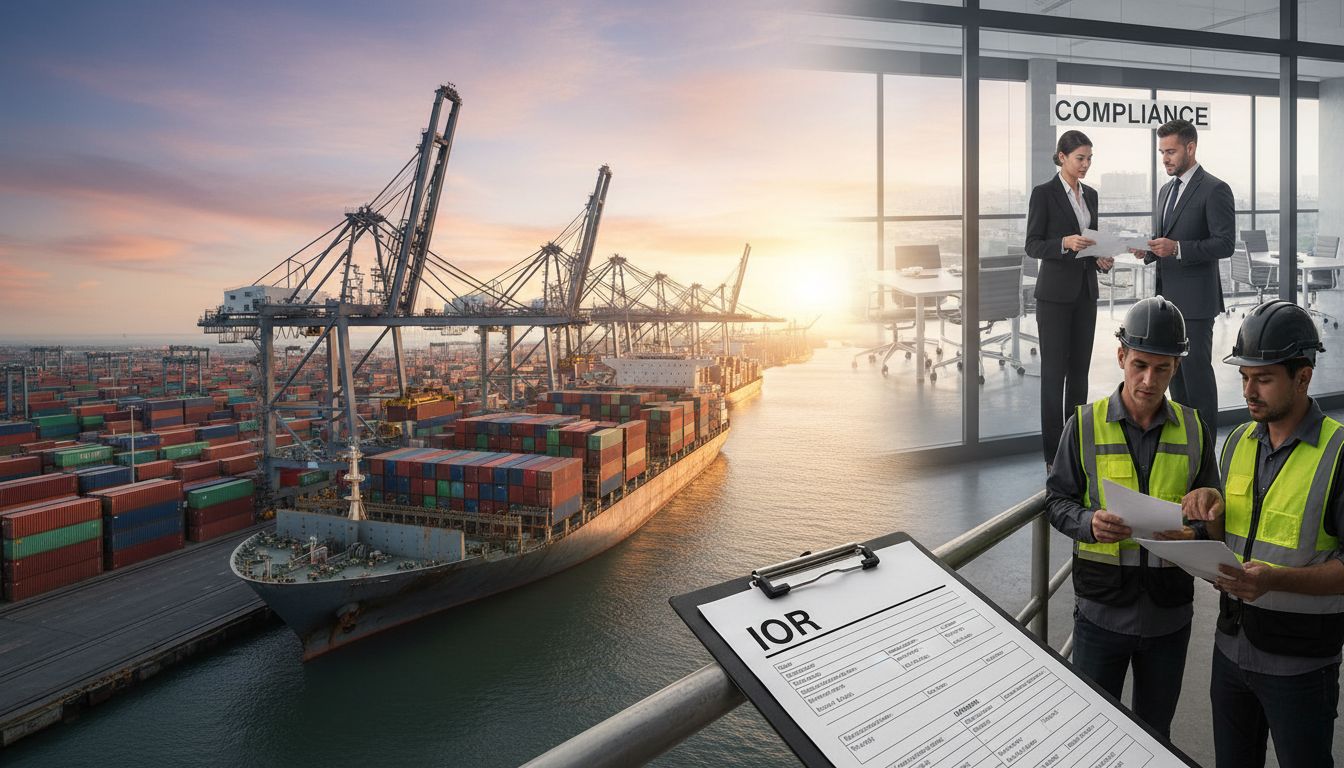

Almost 90 percent of all global goods move by sea, a fact that shapes how american exporters and importers operate every day. Reliable international shipping is the backbone of thriving overseas trade, connecting businesses to markets far beyond their borders. Understanding shipping methods, essential documentation, complex duties, and the need for tight compliance gives you the power to move products efficiently and avoid costly disruptions in the competitive world of global commerce.
Table of Contents
- Defining International Shipping And Core Concepts
- Major Shipping Methods And Transport Modes
- Essential Documentation And Customs Procedures
- Key Costs, Duties, And Taxes Explained
- Managing Risks And Ensuring Compliance
Key Takeaways
| Point | Details |
|---|---|
| International Shipping Complexity | International shipping requires careful planning and coordination among various stakeholders and transportation modes. Each shipment demand tailored strategies considering costs, regulations, and cargo types. |
| Transportation Methods | Ocean freight is the most widely used method, effective for large shipments, whereas air freight is better suited for time-sensitive goods. Choosing the right transportation entails analyzing cargo needs and costs. |
| Documentation Necessity | Accurate documentation is critical for customs clearance and avoiding delays or penalties. Essential documents include commercial invoices, certificates of origin, and bills of lading. |
| Financial Considerations | Understanding customs valuation and associated duties is vital for managing costs in international shipping. Businesses should account for various fees and adhere to compliance requirements to mitigate unexpected expenses. |
Defining International Shipping and Core Concepts
International shipping represents a complex global network that enables businesses and individuals to transport goods across national boundaries through various transportation modes. At its core, international shipping involves the strategic movement of cargo utilizing multiple transportation methods including ocean freight, air freight, trucking, and rail transportation. These intricate logistics processes require careful coordination between shippers, carriers, customs authorities, and regulatory agencies.
The maritime shipping industry plays a critical role in global trade, facilitating approximately 90% of worldwide commercial transport. Understanding key shipping terms and concepts helps businesses navigate the complexities of international trade effectively. Each shipment requires meticulous planning that considers factors like cargo type, transportation method, shipping costs, customs regulations, and potential international trade barriers.
International shipping encompasses several fundamental components that businesses must comprehend. These include freight classification, shipping modes, transportation documentation, and customs clearance procedures. Importers and exporters must understand the nuances of different shipping methods, such as full container load (FCL) versus less than container load (LCL) shipments, and the specific regulations governing each type of cargo. International shipping costs can vary dramatically based on these specific considerations, making precise planning crucial for successful global trade operations.
Major Shipping Methods and Transport Modes
International shipping relies on multiple transportation modes, each with unique characteristics and strategic advantages for moving goods across global markets. Shipping transportation methods encompass four primary modes: ocean freight, air freight, rail transportation, and trucking, which businesses can strategically select based on cargo requirements, time sensitivity, cost considerations, and destination specifics.
Ocean freight remains the most extensively utilized international shipping method, handling approximately 90% of global trade volume. Sea transportation offers cost-effectiveness for large cargo shipments, particularly for heavy or bulky items that cannot be economically transported through alternative methods. Air freight and sea freight present distinctly different approaches, with air transportation providing rapid delivery for time-critical or high-value goods, while maritime shipping offers substantial capacity and lower per-unit transportation expenses.

The selection of an appropriate shipping method involves analyzing multiple critical factors. Different cargo types require specific transportation approaches – perishable goods might necessitate air freight, while industrial machinery could be more suitable for ocean or rail transport. Container types play a significant role in this decision-making process, with specialized shipping containers designed to accommodate various cargo requirements, from refrigerated units for food products to open-top containers for oversized industrial equipment. Understanding these nuanced transportation options allows businesses to optimize their global logistics strategies, balancing speed, cost, and cargo protection effectively.
Essential Documentation and Customs Procedures
International shipping demands rigorous documentation and compliance with complex customs procedures that vary across different countries and trade regions. Master export shipping documentation requires businesses to prepare multiple critical documents that facilitate smooth cross-border transportation and regulatory clearance. These essential documents typically include commercial invoices, packing lists, certificates of origin, bills of lading, and export licenses that comprehensively describe the shipment’s contents, value, and intended destination.
Customs clearance represents a crucial checkpoint in international shipping, involving detailed inspections and verification of cargo against established regulatory standards. The export documentation process necessitates meticulous attention to detail, as incomplete or inaccurate paperwork can result in significant delays, financial penalties, or cargo seizure. Businesses must navigate intricate requirements that may include specific labeling standards, product classification codes, and comprehensive value declarations to ensure seamless cross-border movement.
The complexity of international trade documentation is further amplified by various international agreements and regulations. Customs invoice requirements play a pivotal role in determining shipment eligibility, with each document serving a specific purpose in the global logistics ecosystem. Some key documentation elements include harmonized system codes that standardize product classification, detailed cargo manifests, and compliance certificates that verify the shipment meets both export and import country regulations. Understanding these procedural nuances is essential for businesses seeking to minimize risks, reduce processing times, and maintain efficient international trade operations.
Key Costs, Duties, and Taxes Explained
International shipping involves a complex web of financial obligations that businesses must carefully navigate to ensure compliance and cost-effectiveness. Understanding customs valuation is critical for importers and exporters, as it determines the base value upon which duties, taxes, and other fees are calculated. These costs typically include customs duties, value-added taxes (VAT), import tariffs, freight charges, insurance premiums, and potential handling or processing fees that can significantly impact the overall shipping expenses.
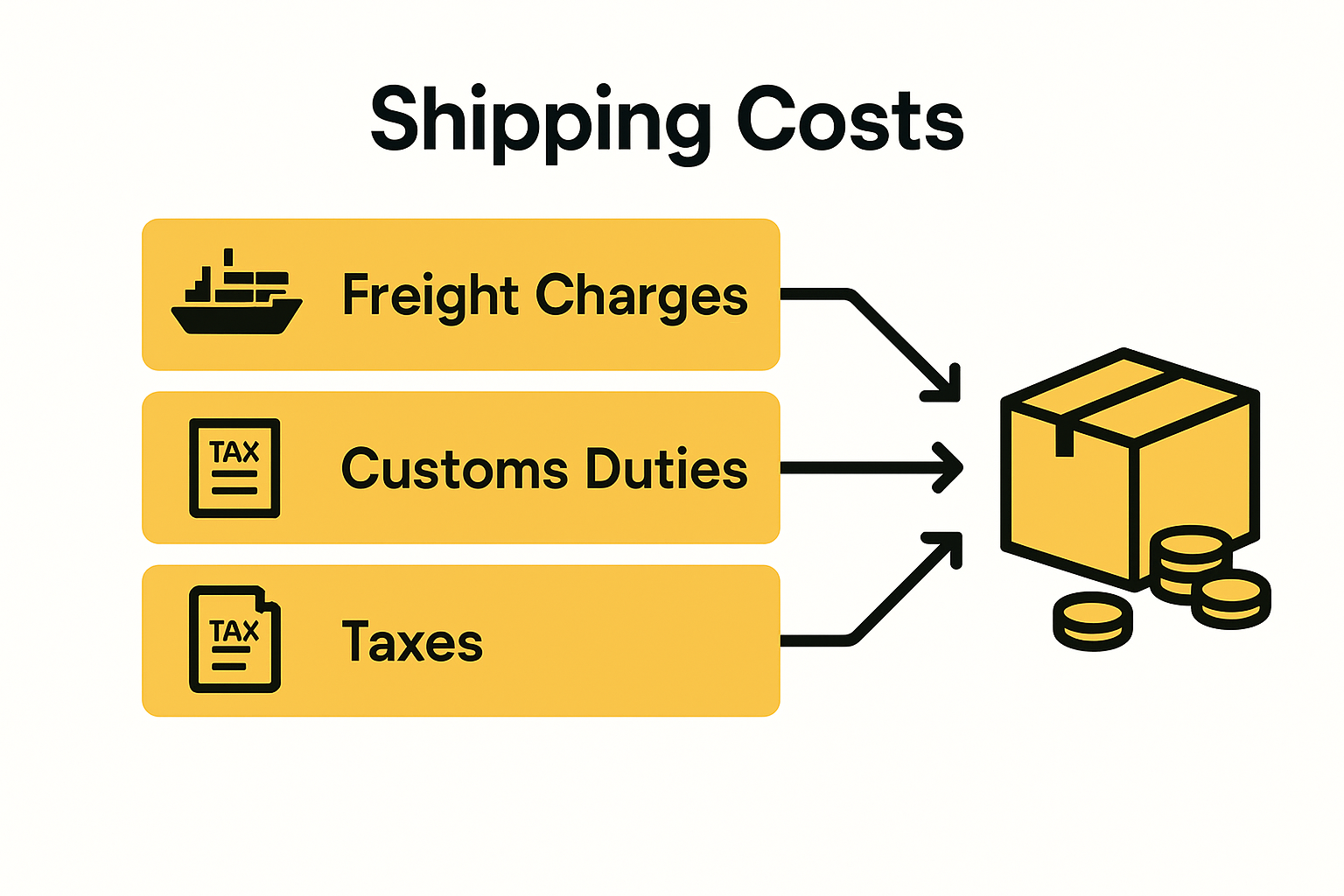
Customs duties represent a substantial financial consideration in international trade, varying widely depending on the product type, country of origin, and specific trade agreements. How to pay customs duties requires businesses to understand the intricate calculation methods that governments employ, which often involve assessing a percentage of the shipment’s declared value. These rates can range from zero to over 30% for certain product categories, making accurate classification and valuation crucial for managing international shipping budgets.
The financial landscape of international shipping extends beyond basic duties and taxes. Importer of record responsibilities play a critical role in managing these complex financial obligations. Businesses must account for additional expenses such as customs brokerage fees, storage charges, demurrage costs for delayed cargo, and potential penalties for non-compliance. Strategic planning involves understanding these potential expenses, negotiating favorable shipping terms, leveraging trade agreements, and implementing robust compliance processes to minimize unexpected financial burdens in international shipping operations.
Managing Risks and Ensuring Compliance
International shipping requires comprehensive risk management strategies that protect businesses from potential legal, financial, and operational challenges. Compliance frameworks are critical for navigating the complex regulatory landscape of global trade, involving meticulous attention to international regulations, trade agreements, and country-specific import/export requirements. Businesses must develop robust systems that proactively identify and mitigate potential risks associated with cross-border transportation, cargo handling, and regulatory adherence.
Identifying and managing potential risks involves multiple strategic approaches. Shipping compliance strategies require businesses to implement comprehensive due diligence processes that include thorough cargo screening, accurate documentation verification, and continuous monitoring of changing international trade regulations. Key risk management techniques include maintaining detailed shipment records, securing appropriate insurance coverage, conducting regular compliance audits, and developing contingency plans for potential shipping disruptions or regulatory challenges.
Technological solutions play an increasingly important role in managing international shipping risks and ensuring regulatory compliance. Advanced tracking systems, real-time cargo monitoring technologies, and sophisticated compliance software enable businesses to maintain visibility throughout the shipping process. Cargo tracking tools help organizations quickly identify and respond to potential issues, ensuring that shipments meet all necessary regulatory requirements and minimize the potential for costly delays, penalties, or cargo seizures. Successful risk management in international shipping demands a proactive, technology-enabled approach that combines strategic planning, continuous learning, and adaptive compliance strategies.
Simplify Your International Shipping Challenges with Expert Support
Managing complex tasks like customs clearance, freight classification, and global transport modes can feel overwhelming. This guide highlights crucial pain points such as navigating customs documentation, choosing between ocean and air freight, and understanding hidden fees. If you want to avoid costly delays, regulatory risks, and rising duties you need a trusted partner that handles every detail professionally.
Worldwide Express specializes in tailored international shipping solutions that address these exact challenges. From comprehensive customs brokerage and compliance management to real-time cargo tracking and freight forwarding, our expertise ensures your shipments move smoothly across borders. Discover how our industry knowledge and personalized services align perfectly with the core concepts you just learned.
Looking for practical solutions that reduce risk and optimize costs Explore our Uncategorized services today.
Take control of your global logistics now with Worldwide Express where experience meets tailored service. Visit Worldwide Express to get started and connect with experts ready to simplify your international shipping process. Don’t wait let us handle your next shipment with precision and care.
Frequently Asked Questions
What is international shipping?
International shipping refers to the process of transporting goods across national borders using various transportation methods such as ocean freight, air freight, trucking, and rail. It involves coordination between shippers, carriers, customs, and regulatory agencies.
What are the main shipping methods used in international shipping?
The primary shipping methods for international shipping include ocean freight, air freight, rail transport, and trucking. Each method has unique advantages based on cargo type, urgency, and cost considerations.
What important documents are required for international shipping?
Key documents needed for international shipping include commercial invoices, packing lists, certificates of origin, bills of lading, and export licenses. These documents facilitate smooth cross-border transportation and regulatory clearance.
How are customs duties determined in international shipping?
Customs duties are calculated based on the property’s declared value, product type, and country of origin. These rates can vary significantly, making accurate product classification and valuation crucial for minimizing costs.
Recommended
- Master Ecommerce International Shipping in 5 Steps – Worldwide Express, Inc.
- 7 Key Tips for Mastering Post Office International Shipping – Worldwide Express, Inc.
- 8 Packing List Essentials for International Trade Success – Worldwide Express, Inc.
- Master International Freight Shipping for Successful Trade – Worldwide Express, Inc.
- UK vs. USA Pricing on Alexandria Fragrances: Why European Customers Be