Most people in American logistics circles underestimate the hidden impact of drayage even though this service moves billions of dollars in goods every year. With port congestion and tight trucking demand reshaping how cargo gets from ship to shelf, understanding drayage has never been more important. This guide explains what drayage really is, why it matters for efficient American supply chains, and how mastering it can reduce costs and keep trade moving smoothly.
Table of Contents
- Defining Drayage In Modern Logistics
- Types Of Drayage And Key Differences
- How Drayage Works In Shipping Operations
- Common Costs, Risks, And Compliance Factors
- Optimizing Drayage For International Trade
Key Takeaways
| Point | Details |
|---|---|
| Drayage is Essential in Logistics | Drayage plays a critical role in moving goods short distances, linking various transportation modes efficiently within the supply chain. |
| Different Types of Drayage | Understanding the types of drayage, such as inter-carrier and expedited, helps businesses optimize their shipping strategies based on specific needs. |
| Cost and Compliance Considerations | Various pricing factors and compliance regulations significantly impact drayage operations, making awareness of these elements crucial for effective logistics management. |
| Optimizing for Efficiency | Implementing data-driven strategies and technological innovations can enhance drayage efficiency, reducing costs and improving global trade operations. |
Defining Drayage in Modern Logistics
Drayage represents a critical yet often overlooked transportation service in the intricate world of shipping logistics. At its core, drayage involves the short-distance transportation of goods, typically moving cargo containers between ports, rail yards, warehouses, and distribution centers using specialized trucks and chassis. This seemingly simple process plays a fundamental role in maintaining the efficiency and flow of goods within complex supply chain networks.
The term “drayage” originates from the Old English word “dray,” which referred to a low, flatbed wagon used to transport goods over short distances. In modern shipping, drayage has evolved into a specialized service that bridges critical transportation gaps, ensuring that cargo moves seamlessly between different transportation modes. Understanding these key freight terms helps businesses navigate the complexities of international shipping more effectively.
Drayage services are particularly crucial in intermodal transportation, where goods transition between ships, trains, and trucks. A typical drayage move might involve picking up a shipping container from a seaport and delivering it to a nearby rail terminal or warehouse, covering distances usually under 50 miles. This process requires precision, specialized equipment, and deep knowledge of local transportation regulations. Drayage carriers must handle everything from chassis selection and container handling to managing complex documentation and compliance requirements, making them an essential link in the global supply chain ecosystem.
The economics of drayage are intricate and dynamic. Factors like fuel prices, port congestion, trucking capacity, and regional transportation infrastructure directly impact drayage rates and efficiency. Businesses engaged in international trade must understand these nuances to optimize their shipping strategies and control transportation costs. By recognizing drayage as more than just a simple transfer service, companies can better appreciate its strategic importance in maintaining smooth, cost-effective logistics operations.
Types of Drayage and Key Differences
Drayage services are not a one-size-fits-all solution, but rather a complex network of specialized transportation approaches designed to meet diverse logistical needs. Inbound logistics experts identify several distinct types of drayage, each serving a unique purpose within the intricate supply chain ecosystem. Understanding these variations is crucial for businesses seeking to optimize their freight transportation strategies.
Inter-carrier drayage represents one of the most common types, involving the transfer of cargo between different transportation carriers. For instance, this might include moving a shipping container from a maritime port to a rail terminal, ensuring seamless transition between ocean and rail transportation modes. Intra-carrier drayage operates similarly but occurs within the same carrier’s transportation network, streamlining internal logistics processes and reducing potential transfer complications.
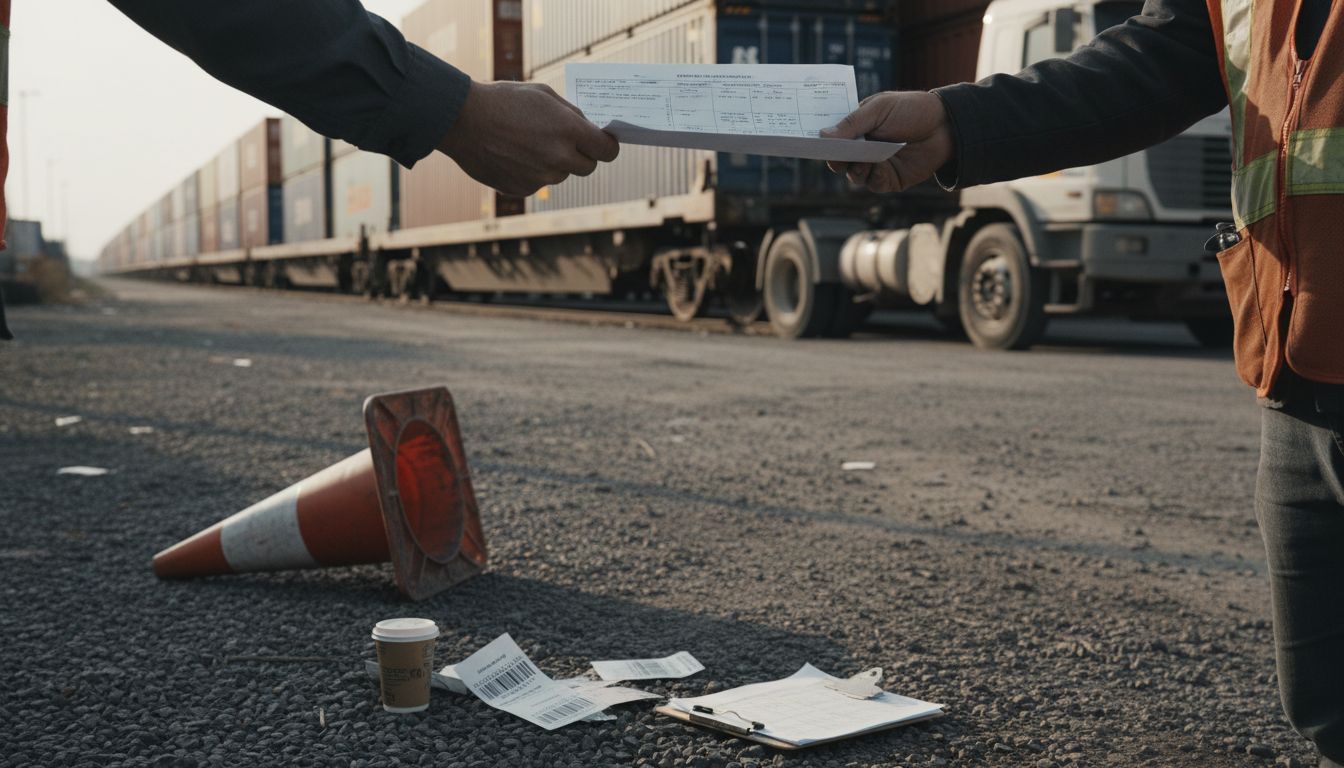
Additional specialized drayage types include expedited drayage, which prioritizes rapid transportation for time-sensitive cargo, and door-to-door drayage, which provides direct delivery services from origin to final destination. Each type requires unique operational capabilities, specialized equipment, and precise coordination. Trucking companies must navigate complex regulatory environments, manage precise scheduling, and maintain sophisticated tracking systems to execute these transportation moves effectively.
The economic implications of different drayage types are significant. Businesses must carefully analyze their specific shipping requirements, considering factors like cargo volume, time sensitivity, transportation distance, and cost efficiency. By understanding the nuanced differences between drayage services, companies can select the most appropriate transportation approach, ultimately reducing logistics expenses, minimizing potential disruptions, and maintaining the smooth flow of goods through increasingly complex global supply chains.
How Drayage Works in Shipping Operations
Logistics experts from project44 describe drayage as a critical transportation link that connects various shipping modes by moving goods across short distances. This intricate process involves transporting cargo containers between strategic locations like ports, rail yards, warehouses, and distribution centers, effectively bridging the gaps in complex multimodal transportation networks.
Container transfer represents the core operational mechanism of drayage. Specialized drayage trucks equipped with chassis pick up shipping containers from one transportation hub and deliver them to another, typically completing the entire journey within a single shift. These short-haul movements are meticulously planned and executed, requiring precise coordination between carriers, port authorities, trucking companies, and logistics providers to ensure smooth and efficient cargo transitions.
The operational workflow of drayage involves several critical steps. First, a container arrives at a port or rail terminal via ocean or rail transport. Drayage carriers then receive specific instructions for pickup, routing, and delivery. Tracking technologies enable real-time monitoring of these movements, allowing logistics managers to optimize routes, manage potential delays, and maintain comprehensive visibility throughout the transportation process. Specialized truck drivers must navigate complex urban environments, manage precise scheduling, and comply with local transportation regulations while executing these critical cargo transfers.
Economically, drayage represents a sophisticated yet essential component of the broader shipping ecosystem. Despite covering relatively short distances, these transportation moves require significant logistical expertise, specialized equipment, and substantial infrastructure. Businesses rely on efficient drayage services to maintain supply chain fluidity, reduce transportation bottlenecks, and ensure that goods move seamlessly between different transportation modes. The precision and reliability of drayage operations directly impact overall shipping efficiency, making it a crucial link in global trade infrastructure.
Common Costs, Risks, and Compliance Factors
Inbound Logistics experts emphasize that drayage operations involve complex financial and regulatory challenges that can significantly impact supply chain efficiency. The costs associated with drayage extend far beyond simple transportation expenses, encompassing a wide range of operational, regulatory, and potential risk mitigation expenses that businesses must carefully navigate.
Pricing factors in drayage services are multifaceted, influenced by variables such as fuel costs, chassis usage fees, port tariffs, and seasonal demand fluctuations. Drayage carriers typically charge based on container size, transportation distance, and specific service requirements. Additional expenses can include detention fees for extended container holding times, chassis split fees, and surcharges for specialized handling or equipment. Freight forwarders often help businesses strategically manage these complex pricing structures and minimize unexpected financial burdens.
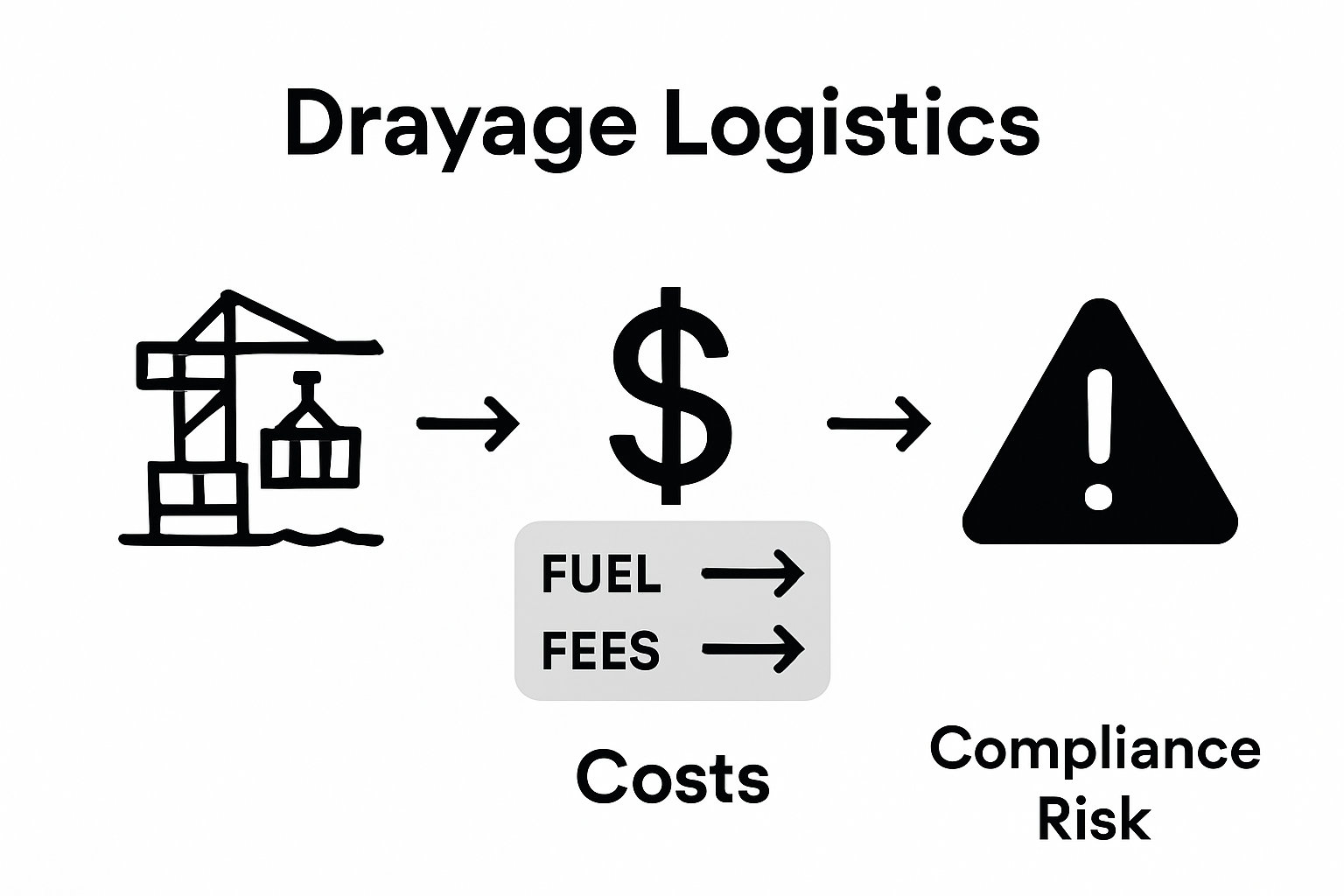
Compliance represents another critical dimension of drayage operations. Trucking companies must adhere to a complex web of federal and state regulations governing transportation safety, environmental standards, weight restrictions, and driver qualifications. Electronic logging devices, emissions standards, and stringent documentation requirements add layers of complexity to drayage services. Potential risks include regulatory penalties, shipment delays, equipment inspections, and potential legal complications arising from non-compliance with transportation regulations.
Risk management in drayage involves proactive strategies to mitigate potential disruptions. This includes maintaining comprehensive insurance coverage, implementing robust tracking systems, conducting regular equipment maintenance, and developing contingency plans for potential supply chain interruptions. Businesses must also consider geopolitical factors, port congestion, seasonal variations, and emerging technological challenges that can impact drayage efficiency. By understanding and strategically addressing these multifaceted risks, companies can optimize their drayage operations and maintain a competitive edge in the complex world of modern logistics.
Optimizing Drayage for International Trade
Research from advanced logistics modeling reveals that strategic optimization of drayage operations can generate substantial cost efficiencies for international trade businesses. Effective drayage optimization involves a complex approach that balances multiple operational variables, technological integrations, and strategic decision-making processes to streamline cargo transportation across different shipping modes and international boundaries.
Carrier allocation strategies play a critical role in drayage optimization. Sophisticated mathematical models demonstrate the potential for significant cost reductions by intelligently distributing container volumes among different carriers. One comprehensive study highlighted a remarkable 21.2% cost reduction through advanced procurement techniques that account for uncertain container flows and dynamic spot rates. International freight shipping professionals increasingly rely on data-driven approaches to minimize transportation expenses and maximize logistical efficiency.
Technological innovations are transforming drayage optimization, particularly in the realm of sustainable transportation. Advanced optimization models are emerging that integrate zero-emission strategies, focusing on coordinated investments in electric drayage trucks, charging infrastructure, and power systems. These holistic approaches not only reduce environmental impact but also provide long-term economic benefits. Case studies in regions like the Greater Los Angeles area demonstrate how comprehensive planning can create more resilient and adaptable drayage networks.
Successful international trade drayage optimization requires a multifaceted approach that combines strategic planning, technological innovation, and adaptive management. Businesses must continuously evaluate their drayage operations, considering factors such as carrier performance, route efficiency, regulatory compliance, and emerging technological solutions. By developing flexible, data-driven strategies that balance cost, speed, and sustainability, companies can create robust drayage networks that support seamless global trade operations.
Take Control of Your Drayage Challenges with Expert Logistics Support
Navigating the complexities of drayage requires more than just transportation it demands an expert partner who understands the critical short-haul moves between ports, rail yards, and warehouses. From managing fluctuating costs and compliance risks to optimizing intermodal transfers Worldwide Express, Inc. offers tailored logistics solutions that address these exact pain points. Whether you need precise customs brokerage or real-time shipment tracking our team ensures your cargo moves swiftly and smoothly across U.S. ports and beyond.
Explore how Worldwide Express can transform your drayage and international shipping experience today. Discover industry-leading freight forwarding, supply chain management expertise, and comprehensive support designed for the challenges described in “What Is Drayage and Why It Matters in U.S. Shipping.” Start optimizing your logistics now by visiting our Uncategorized services page or get an instant freight quote at Worldwide Express. Act now to maintain fluid supply chains and reduce costly disruptions.
Frequently Asked Questions
What is drayage in shipping?
Drayage refers to the short-distance transportation of goods, typically cargo containers, between ports, rail yards, warehouses, and distribution centers using specialized trucks and chassis.
Why is drayage important in logistics?
Drayage plays a crucial role in bridging transportation gaps within supply chains, particularly in intermodal transport where goods transition between different carriers and modes of transport.
What are the types of drayage services?
Common types of drayage services include inter-carrier drayage (involving multiple carriers), intra-carrier drayage (within the same carrier), expedited drayage (for time-sensitive cargo), and door-to-door drayage (direct delivery).
How can businesses optimize their drayage operations?
Optimization strategies for drayage include intelligent carrier allocation, leveraging technology for real-time tracking, and adopting sustainable practices to enhance efficiency and reduce costs.