Over 90 percent of American exporters face delays at customs each year because of missing or inaccurate paperwork. International shipping brings countless opportunities, but even a small mistake with documentation or regulations can cause expensive setbacks. This guide reveals essential steps for American businesses to keep shipments moving smoothly, from collecting critical documents to tracking every package through customs.
Table of Contents
- Step 1: Collect Essential Shipping And Customs Documents
- Step 2: Verify Compliance With Import And Export Regulations
- Step 3: Submit Accurate Declarations And Commercial Invoices
- Step 4: Coordinate With Trusted Customs Brokers And Carriers
- Step 5: Track Shipments And Respond To Customs Inquiries Promptly
Quick Summary
| Key Point | Explanation |
|---|---|
| 1. Gather Essential Documents | Collect all required shipping and customs papers to prevent delays. Include invoices, manifests, and permits specific to your shipment type. |
| 2. Ensure Regulatory Compliance | Familiarize yourself with import and export regulations to avoid legal issues and shipment delays. Stay updated on guidelines and potential restrictions. |
| 3. File Accurate Declarations | Submit precise customs documents and commercial invoices to minimize processing delays. Cross-check all details for accuracy before submission. |
| 4. Collaborate with Customs Brokers | Choose experienced customs brokers to navigate regulations and prepare documentation efficiently. Their expertise can streamline your shipping process. |
| 5. Monitor Shipments Actively | Implement a tracking system for your shipments and respond promptly to customs inquiries. This proactive approach can reduce processing times significantly. |
Step 1: Collect Essential Shipping and Customs Documents
Navigating the complex world of international shipping requires meticulous preparation of shipping and customs documentation. Your goal is to gather every critical paper that will help your shipment pass through customs smoothly and avoid unnecessary delays or potential rejections.
Start by assembling key documents required by U.S. Customs and Border Protection. This includes the Commercial Invoice, which provides comprehensive details about your transaction, and critical forms like the Entry Manifest (CBP Form 7533). The Commercial Invoice should include specifics such as the description of goods, total value, country of origin, and transaction details. Additionally, you will need the Entry Summary (CBP Form 7501), which must be filed within 10 working days after merchandise release.
Pro tip: Create a digital and physical checklist of required documents to ensure nothing is missed. Common documents include commercial invoices, packing lists, certificates of origin, bills of lading, and specific export/import permits relevant to your shipment type. Organizing these documents systematically can significantly reduce processing time and minimize the risk of customs holdups.
Remember that incomplete or inaccurate documentation can trigger extensive reviews, potentially causing shipment delays of several days or even weeks. By being thorough and precise in your document preparation, you set the stage for a smooth customs clearance process.
Step 2: Verify Compliance with Import and Export Regulations
Ensuring compliance with import and export regulations is a critical step in preventing customs delays and potential legal complications. Your objective is to thoroughly understand and adhere to the complex web of international trade rules that govern your shipment.
Start by familiarizing yourself with the key regulations that impact international trade. The U.S. government provides comprehensive guidelines through agencies like the Bureau of Industry and Security, which offers export compliance guidelines and risk assessment tools to help businesses navigate regulatory requirements. Pay special attention to the Export Administration Regulations (EAR), which outline specific restrictions and requirements for different types of goods and destinations. This includes understanding export classification numbers, determining if your goods require special licensing, and identifying any potential trade restrictions for specific countries.
A critical pro tip is to develop a robust Export Compliance Program (ECP) that systematically addresses potential regulatory risks. This involves maintaining detailed records of your shipments, conducting regular internal audits, and staying updated on changing international trade regulations. Consulting with a customs broker or trade compliance specialist can provide invaluable insights into the nuanced requirements specific to your industry and target markets. By proactively managing compliance, you significantly reduce the risk of shipment delays, potential fines, or legal challenges that could disrupt your international trade operations.
Step 3: Submit Accurate Declarations and Commercial Invoices
Submitting precise and comprehensive customs documentation is crucial for ensuring smooth international shipping. Your primary goal in this step is to prepare and file declarations and commercial invoices that meet all regulatory requirements and minimize potential customs processing delays.

When preparing your documentation, focus on creating detailed entry summaries that comply with customs regulations. The Entry Summary (CBP Form 7501) must be filed within 10 working days after merchandise release and should include comprehensive transaction details. Your commercial invoice needs to provide a clear and accurate representation of the shipment, including precise descriptions of goods, their total value, country of origin, and specific transaction terms. Pay careful attention to every detail, as even minor inaccuracies can trigger time consuming customs reviews or potential penalties.
A critical pro tip is to develop a systematic documentation review process. Before submission, cross check all information for consistency accuracy and completeness. Consider using digital tools or working with a customs brokerage professional who can help verify the documentation meets all current regulatory requirements. By taking a meticulous approach to your declarations and commercial invoices, you can significantly reduce the risk of customs delays and ensure a smoother international shipping experience.
Step 4: Coordinate with Trusted Customs Brokers and Carriers
Navigating the complex landscape of international shipping requires strategic partnerships with professionals who understand the intricacies of customs regulations. Your primary objective in this step is to establish and maintain relationships with knowledgeable customs brokers and reliable carriers who can guide you through potential regulatory challenges.
Select a customs broker who demonstrates extensive expertise in navigating federal import and export requirements. These licensed professionals serve as critical intermediaries who can help you prepare accurate documentation, interpret complex regulations, and minimize the risk of shipping delays. Look for brokers with proven experience in your specific industry and a track record of successfully managing shipments similar to yours. They should be able to provide comprehensive guidance on classification codes, duty rates, and potential compliance issues specific to your goods and target destinations.
A pro tip for selecting the right customs broker is to conduct thorough due diligence. Request references from other businesses in your industry, verify their licensing credentials, and assess their technological capabilities for tracking and managing shipments. The right broker will not just process paperwork but will act as a strategic partner who can help you streamline your international shipping operations, reduce potential risks, and ensure smoother customs clearance processes.
Step 5: Track Shipments and Respond to Customs Inquiries Promptly
Managing international shipments requires vigilant monitoring and rapid communication to prevent potential customs delays. Your primary objective is to establish a proactive approach that keeps your shipment moving smoothly through the customs clearance process.
Implement a robust tracking strategy that enables you to monitor shipment status and customs interactions in real time. This means utilizing advanced tracking technologies, maintaining open communication channels with your customs broker, and setting up alerts for any potential issues. Develop a system where you can quickly access shipping documentation, track your goods progress, and receive immediate notifications about any customs inquiries or potential roadblocks. The key is to create a responsive workflow that allows you to address questions or requests from customs officials within the shortest possible timeframe.

A critical pro tip is to designate a dedicated point of contact who understands the nuances of customs communication. This person should be thoroughly familiar with your shipment details, able to interpret customs communications quickly, and empowered to provide immediate responses. Prepare template responses and have all necessary supporting documentation readily accessible to expedite the inquiry response process. By maintaining a proactive and organized approach, you can significantly reduce the likelihood of extended customs processing times and minimize potential shipping disruptions.
Avoid Costly Customs Delays with Expert International Shipping Solutions
Customs delays can disrupt your entire supply chain and cost you valuable time and money. If you struggle with incomplete documentation, compliance challenges, or slow customs clearance, you are not alone. This article highlights the critical steps to prepare accurate shipping documents and partner with knowledgeable brokers to prevent costly holdups.
At Worldwide Express, Inc., we understand these exact pain points and offer tailored services to simplify your international shipments. From comprehensive customs brokerage to air and ocean freight forwarding, our experts ensure your shipment complies with all regulations and moves efficiently through customs. Our global tracking and supply chain tools keep you informed every step of the way.
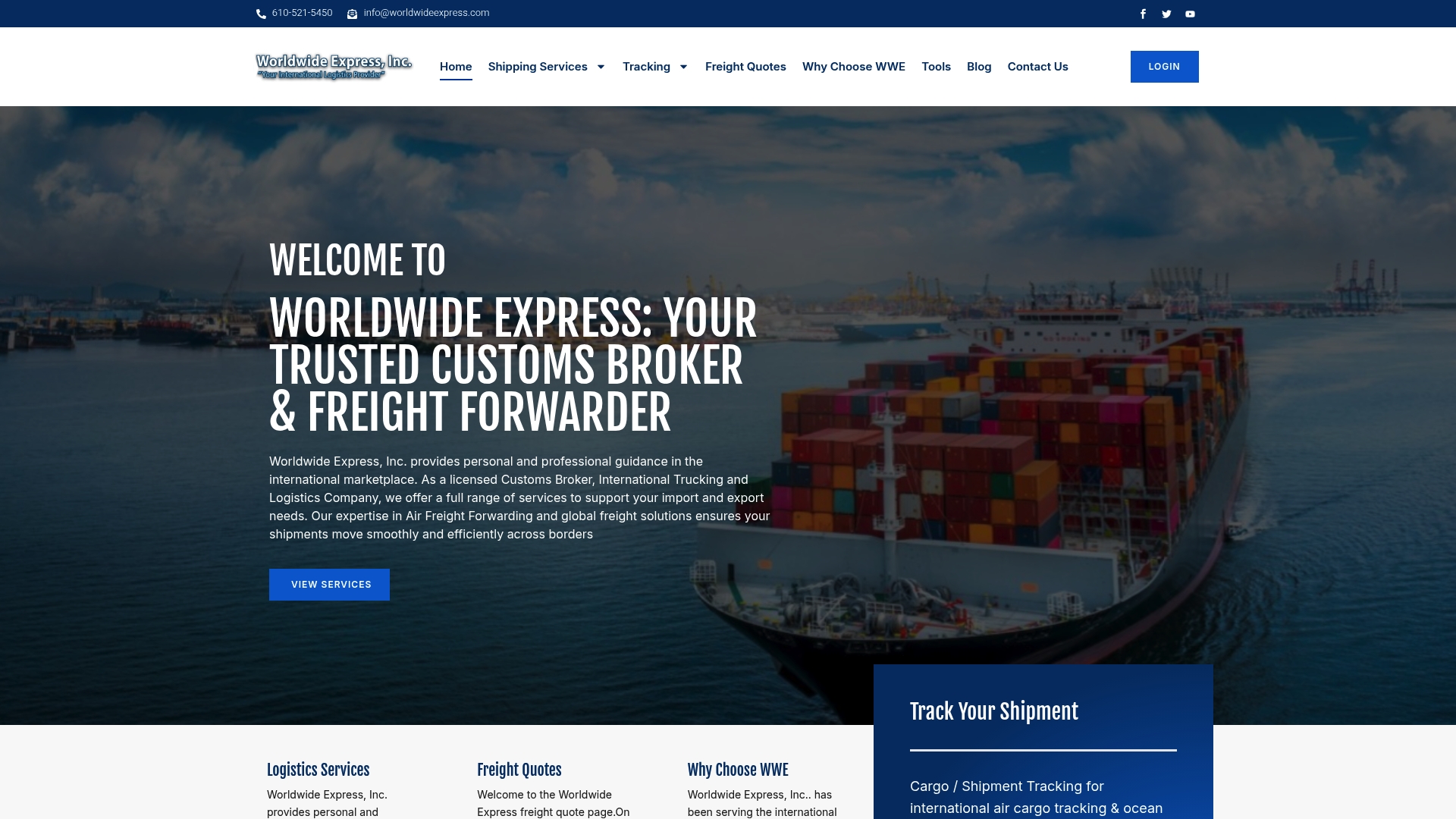
Take control of your international shipping today by partnering with Worldwide Express, Inc. Visit our Uncategorized services page to explore our solutions. For a seamless experience, get a customized freight quote or track your shipment directly at Worldwide Express. Don’t let customs delays hold your business back—connect with us now and keep your international shipments moving smoothly.
Frequently Asked Questions
What documents do I need to avoid customs delays during international shipping?
To avoid customs delays, you need essential documents such as a Commercial Invoice, Entry Manifest (CBP Form 7533), and Entry Summary (CBP Form 7501). Gather these documents and ensure they are complete and accurate to reduce the chance of customs complications.
How can I ensure compliance with import and export regulations?
Ensure compliance by thoroughly understanding the regulations that apply to your shipment. Develop an Export Compliance Program that includes regular audits and updated records to address potential regulatory risks and prevent delays.
What steps should I take to submit accurate declarations and invoices?
To submit accurate declarations and invoices, prepare detailed entry summaries and ensure your Commercial Invoice reflects precise descriptions and values of the goods. Cross-check all information for accuracy and completeness before filing to minimize the chance of customs reviews.
How do I choose and coordinate with a customs broker?
Select a knowledgeable customs broker who understands the specific regulations related to your shipments. Verify their expertise and track record, and maintain regular communication to help streamline the customs process.
What is the best way to track shipments and respond to customs inquiries?
Implement a robust tracking system to monitor your shipment status and maintain open channels of communication with your customs broker. Designate a point of contact to quickly address any customs inquiries and keep all necessary documentation readily accessible.
Recommended
- 7 Essential Steps for Smooth Shipping Abroad Success – Worldwide Express, Inc.
- 7 Key Tips for Mastering Post Office International Shipping – Worldwide Express, Inc.
- 8 Packing List Essentials for International Trade Success – Worldwide Express, Inc.
- Master Ecommerce International Shipping in 5 Steps – Worldwide Express, Inc.
- Packing Light for Women: Your Ultimate Travel Guide – Be Juliet