Most American logistics managers are surprised to learn that over 260 free trade zone projects are now active across the United States, offering unique opportunities to control costs and improve supply chain agility. As global trade pressures intensify, understanding how these zones work is crucial for importers and exporters aiming to stay competitive. This overview sheds light on the core concepts, benefits, and practical steps that can make free trade zones a smart solution for American companies looking to reduce expenses and optimize operations.
Table of Contents
- Free Trade Zones And Core Concepts
- Types Of U.S. Free Trade Zones Explained
- How Free Trade Zones Operate In Logistics
- Legal Framework And Compliance Requirements
- Financial Benefits: Duty, Taxes, And Cash Flow
- Common Pitfalls And Maximizing Ftz Advantages
Key Takeaways
| Point | Details |
|---|---|
| Free Trade Zones (FTZs) | FTZs offer businesses the ability to defer or eliminate customs duties, enhancing financial flexibility in international trade. |
| Types of FTZs | The U.S. features various FTZ types including General Purpose Zones and Export Processing Zones, each serving distinct business needs. |
| Operational Advantages | FTZs allow for value-added activities while deferring customs duties, optimizing supply chain management significantly. |
| Compliance Importance | Maintaining strict compliance with regulatory requirements is crucial to avoid penalties and maximize the benefits of operating within FTZs. |
Free trade zones and core concepts
Free trade zones (FTZs) are specialized areas within a country’s national borders that operate with unique customs and trade regulations, offering businesses strategic advantages in international commerce. Proliferating across global trade networks, these zones provide importers and exporters significant economic benefits by creating controlled environments where goods can be warehoused, processed, and distributed under flexible regulatory frameworks.
The United States currently hosts over 260 FTZ projects with nearly 400 subzones, strategically positioned to support complex logistics operations. These zones function as designated spaces where international merchandise can be stored, manipulated, or transformed without immediate customs duties or federal taxes. Businesses operating within FTZs can defer, reduce, or even eliminate potential tariffs, creating substantial financial advantages for companies engaged in import and export activities.
Understanding FTZ mechanics requires recognizing their core operational principles. Companies can import raw materials or finished products into these zones, perform value-added activities like assembly or packaging, and then re-export goods with minimized tax implications. Enhanced trade compliance frameworks help ensure these zones maintain transparency and prevent potential misuse while offering legitimate economic incentives for international trade participants.
Pro tip: Conduct a comprehensive feasibility study of FTZ benefits specific to your company’s supply chain before initiating zone-based operations to maximize potential cost savings and operational efficiencies.
Types of U.S. free trade zones explained
The United States hosts a diverse range of free trade zones (FTZs) designed to support complex international logistics and economic development. Comprehensive zone classifications reveal four primary types of zones that cater to different business needs and strategic objectives.
General purpose zones represent the most common FTZ type, typically located in major metropolitan areas and providing comprehensive infrastructure for multiple businesses. These zones allow companies to warehouse, process, and redistribute international merchandise without immediate customs duties. Export processing zones (EPZs) offer more specialized environments, focusing specifically on manufacturing operations intended for international markets. These zones provide targeted incentives such as simplified licensing, duty exemptions, and regulatory relief to encourage export-oriented production.
Special economic zones represent a more comprehensive approach to economic development, offering broader regulatory and fiscal benefits to attract foreign direct investment. Unlike traditional FTZs, these zones often include entire industrial parks or regional development areas with extended economic incentives. Export-focused manufacturing zones aim to diversify regional economic capabilities by creating controlled environments that support advanced manufacturing and international trade strategies.
Pro tip: Consult with local customs authorities and trade specialists to determine which specific free trade zone type aligns most closely with your company’s unique import-export operational requirements.
Here’s a comparison of the main types of U.S. free trade zones and their business applications:
| Zone Type | Primary Function | Typical Users |
|---|---|---|
| General Purpose Zone | Warehousing, processing, redistribution | Logistics and trading firms |
| Export Processing Zone | Export-focused manufacturing | Manufacturers, exporters |
| Special Economic Zone | Broad economic development incentives | Multinational enterprises |
| Export-Focused Manufacturing Zone | Advanced manufacturing and trade strategies | Regional industrial operators |
How free trade zones operate in logistics
Free trade zones function as sophisticated logistics ecosystems that enable businesses to manage international merchandise with unprecedented flexibility and cost efficiency. Secure customs processing areas create unique operational environments where goods exist in a specialized regulatory framework, allowing companies to optimize their supply chain strategies.
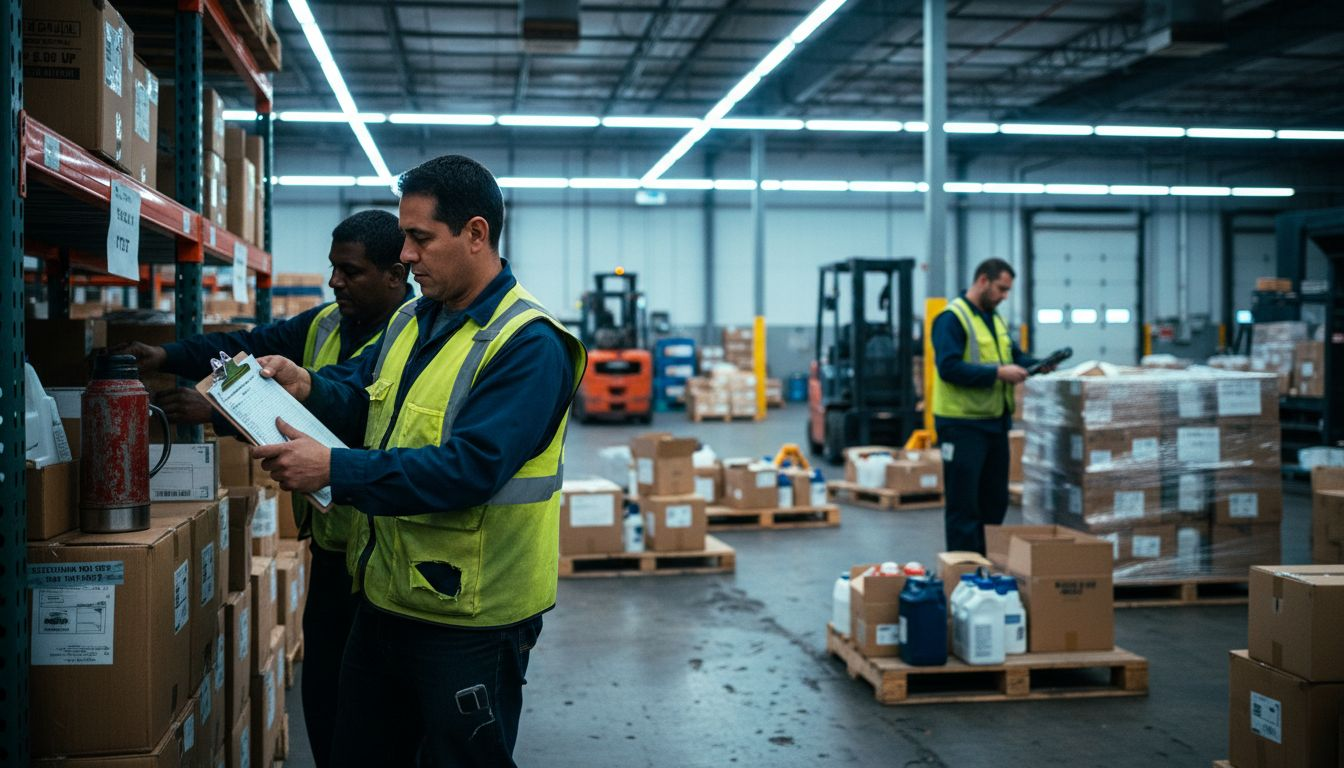
Within these zones, businesses can perform multiple value-added logistics activities without immediately triggering customs duties or federal taxes. Companies can import raw materials, store inventory, conduct product assembly, package merchandise, and even perform light manufacturing processes. This flexibility allows organizations to defer, reduce, or potentially eliminate customs charges while maintaining complete control over their international inventory management processes. The zones essentially function as extended warehousing and processing facilities that exist outside standard customs territories.
The operational mechanics of free trade zones revolve around strategic inventory management and financial optimization. Duty deferral and reduction strategies enable businesses to improve cash flow by postponing tax obligations until merchandise actually enters domestic commercial markets. Logistics managers can leverage these zones to streamline customs documentation, reduce handling fees, and create more predictable international shipping workflows. Advanced tracking systems and comprehensive compliance protocols ensure that all merchandise movements are meticulously documented and regulated.
Pro tip: Develop a comprehensive mapping of your company’s specific import-export requirements before engaging with free trade zone operations to maximize potential financial and logistical advantages.
Legal framework and compliance requirements
The legal structure governing U.S. free trade zones is intricate and comprehensive, designed to balance economic flexibility with rigorous national security and trade compliance standards. Specific regulatory oversight mechanisms ensure that businesses operating within these zones adhere to strict national guidelines while maintaining operational efficiency.
Two primary federal agencies play critical roles in free trade zone regulation. The Foreign Trade Zones Board handles initial zone establishment and expansion approvals, working closely with state and local governments to create strategic trade infrastructure. Customs and Border Protection (CBP) maintains direct supervision over zone operations, conducting regular inspections, reviewing documentation, and enforcing compliance protocols. Businesses must maintain meticulous records of all merchandise movements, transformations, and inventory changes to remain in good standing.
International compliance standards require comprehensive monitoring and sophisticated tracking systems. Companies must implement robust internal controls that demonstrate transparent merchandise handling, accurate reporting, and adherence to both national and international trade regulations. The Authorized Economic Operator (AEO) certification represents an advanced compliance framework that provides businesses with enhanced credibility and potentially streamlined customs processing.
Pro tip: Develop a comprehensive compliance management system with real-time tracking capabilities to ensure continuous adherence to free trade zone regulatory requirements.
Financial benefits: duty, taxes, and cash flow
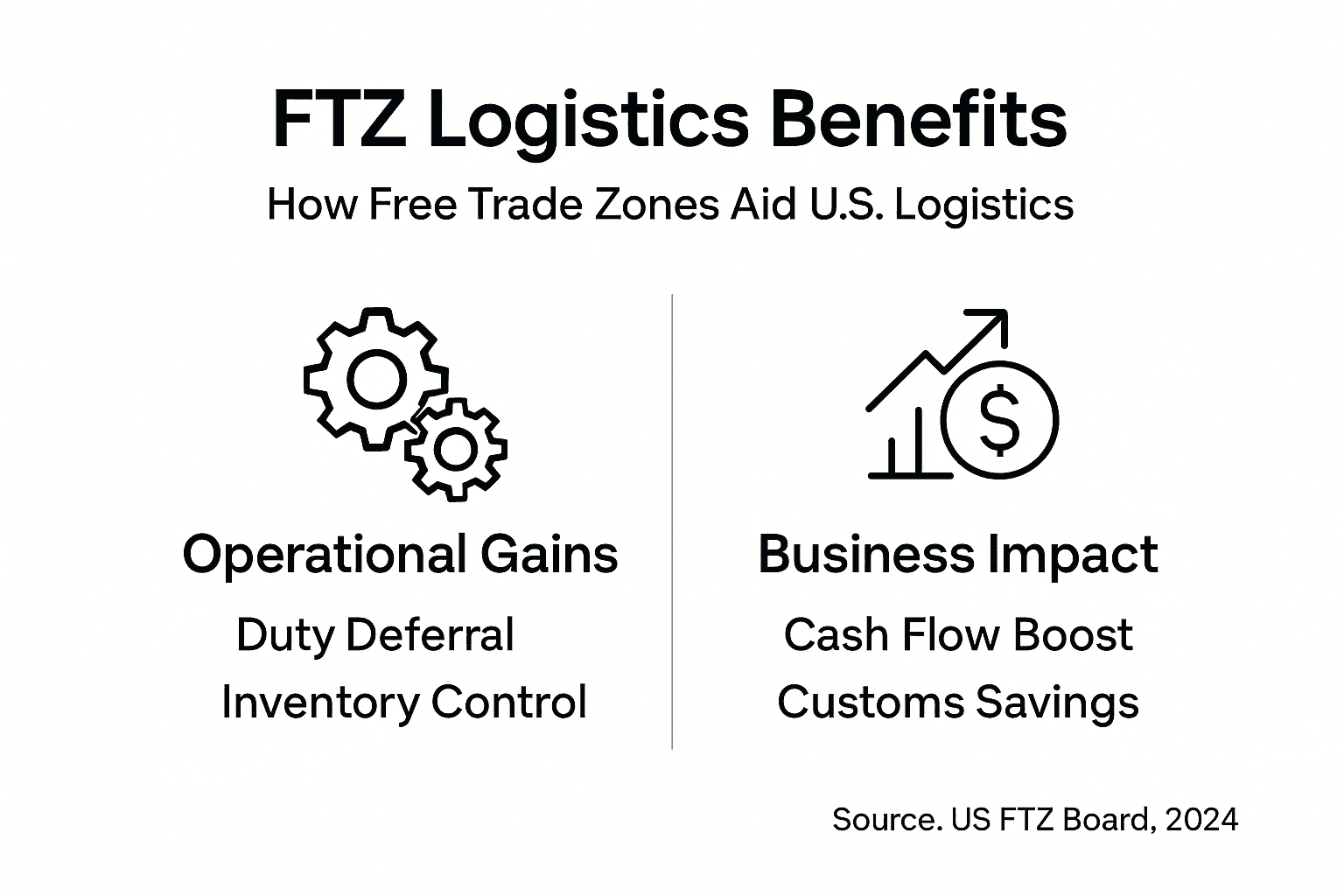
Free trade zones offer U.S. businesses transformative financial advantages that extend far beyond traditional import-export models. Strategic duty deferral mechanisms enable companies to dramatically improve cash flow by postponing customs duty payments until goods actually enter domestic commercial markets, providing unprecedented financial flexibility.
The inverted tariff strategy represents one of the most powerful financial benefits within free trade zones. This mechanism allows businesses to pay duties based on the finished product’s tariff rate, which is often lower than the individual component rates. For instance, if a manufacturer imports complex electronic components with high duty rates but assembles them into a product with a lower tariff classification, they can significantly reduce their overall tax burden. These zones also offer additional financial incentives, including potential reductions in state and local taxes, lower insurance premiums, and decreased regulatory compliance costs.
Advanced financial optimization strategies demonstrate how free trade zones can fundamentally transform a company’s financial performance. By deferring duty payments, avoiding early financing charges, and leveraging tax incentives, businesses can redirect capital toward growth, research, and development. These financial benefits not only improve immediate cash flow but also enhance long-term competitiveness, making free trade zones a critical strategic tool for U.S. businesses seeking to optimize their international trade operations.
Pro tip: Conduct a comprehensive financial analysis comparing your current import-export costs with potential free trade zone scenarios to quantify precise savings and strategic advantages.
This table summarizes key financial benefits of using free trade zones:
| Financial Benefit | How It Works | Business Impact |
|---|---|---|
| Duty Deferral | Postpones customs duty until entry | Improves cash flow for operations |
| Inverted Tariff Application | Uses lower finished good duty rate | Reduces total tariff expenses |
| Tax Incentives | Offers possible state/local tax reductions | Enhances profitability and savings |
| Avoidance of Early Financing | Delays funding for duty payments | Frees capital for growth initiatives |
Common pitfalls and maximizing FTZ advantages
Navigating the complex landscape of free trade zones requires a strategic approach that balances potential benefits with inherent risks. Regulatory vulnerability management is critical for businesses seeking to optimize their international trade operations while maintaining compliance and protecting their reputation.
Businesses must be vigilant about several key potential pitfalls within free trade zones. These include inadequate documentation practices, misunderstanding complex tariff classifications, and failing to maintain precise inventory control systems. Some companies accidentally trigger compliance violations by incorrectly classifying goods, misreporting transformational activities, or not tracking merchandise movements with sufficient detail. The financial consequences of such errors can include significant penalties, potential zone authorization revocation, and increased scrutiny from customs authorities.
Comprehensive compliance frameworks are essential for maximizing free trade zone advantages. Successful organizations implement robust technological solutions that enable real-time tracking, maintain meticulous record-keeping systems, and develop internal training programs focused on regulatory compliance. By proactively addressing potential vulnerabilities and investing in sophisticated monitoring technologies, businesses can transform free trade zones from potential risk environments into strategic competitive advantages.
Pro tip: Develop a dedicated compliance team with specialized free trade zone expertise and invest in advanced tracking software to systematically mitigate operational risks and maximize zone benefits.
Unlock the Full Potential of Free Trade Zones with Expert Logistics Support
Businesses navigating the complex landscape of Free Trade Zones face challenges like ensuring compliance, optimizing duty deferral, and managing supply chain efficiency. The article highlights how understanding tariff classifications and maintaining meticulous inventory control are essential to avoid costly penalties and maximize financial benefits. If you are aiming to leverage FTZ advantages while minimizing risks, you need a logistics partner who understands the intricacies of customs regulations and international shipping.
Worldwide Express, Inc. offers tailored international freight forwarding, customs brokerage, and supply chain management solutions designed to help you capitalize on duty deferral, inverted tariff strategies, and streamlined compliance processes. With global tracking, expert documentation support, and industry-specific logistics plans, we enable you to reduce costs and improve cash flow. Don’t let regulatory complexities slow your growth. Visit Worldwide Express to explore how our services can empower your FTZ operations and take your international shipping to the next level. Get your freight quote or contact us today to start saving.
Explore these services to optimize your success: customs brokerage, import/export freight forwarding.
Frequently Asked Questions
What are free trade zones and how do they benefit logistics?
Free trade zones are specialized areas within a country’s borders that operate under unique customs and trade regulations, allowing businesses to defer or eliminate customs duties. This offers logistical advantages by reducing costs and improving supply chain efficiency.
How do financial benefits in free trade zones improve cash flow for businesses?
Free trade zones enable businesses to defer customs duty payments until goods enter domestic markets. This duty deferral, along with the inverted tariff strategy, significantly improves cash flow by allowing companies to redirect capital towards growth initiatives instead of upfront duty payments.
What types of activities can businesses perform in free trade zones?
Businesses in free trade zones can import raw materials, store inventory, conduct assembly, package merchandise, and perform light manufacturing operations without triggering immediate customs duties, allowing for greater flexibility in logistics management.
What common pitfalls should businesses avoid when operating in free trade zones?
Common pitfalls include inadequate documentation, misunderstandings of tariff classifications, and insufficient inventory tracking. These issues can lead to compliance violations and significant financial penalties, so robust compliance frameworks and precise record-keeping are essential.
Recommended
- Free Trade Agreement Benefits for U.S. Logistics – Worldwide Express, Inc.
- Trading Bloc Advantages: Improving International Shipping – Worldwide Express, Inc.
- Trade War Impacts – How They Shape U.S. Logistics – Worldwide Express, Inc.
- Growing Your Business Online: Strategies for Logistics – Worldwide Express, Inc.
- Dayton B2B Movers – Moving Solutions