

A single storm off the Atlantic coast or an unexpected incident at a major American port can throw even the most carefully planned shipments into uncertainty. For logistics managers steering small to mid-sized import and export operations, cargo insurance is not just a safeguard but a vital part of risk management in global trade. This guide brings clarity to the core concepts, coverage types, and compliance essentials you need to confidently protect your business when moving goods across international borders.
Table of Contents
- Cargo Insurance Defined For Logistics Managers
- Types Of Cargo Insurance Policies Explained
- What Cargo Insurance Typically Covers
- Key Legal Rules For U.S. Shipments
- Navigating Claims, Costs, And Common Pitfalls
Key Takeaways
| Point | Details |
|---|---|
| Importance of Cargo Insurance | Cargo insurance is essential for businesses in international shipping, protecting monetary value and ensuring continuity amidst risks. |
| Types of Coverage | Different cargo insurance policies, like Marine Cargo and All-Risk, cater to specific transportation needs and risks. |
| Legal Compliance | Understanding U.S. regulations is crucial for avoiding penalties and maintaining smooth shipping operations. |
| Claims Management | Effective claims processing requires thorough documentation and timely communication with insurers to mitigate financial losses. |
Cargo insurance defined for logistics managers
Cargo insurance represents a critical financial protection mechanism for businesses engaged in international shipping. At its core, cargo insurance provides financial coverage against potential loss or damage to goods during transportation across various modes like sea, air, and land. Comprehensive safety guidelines from international maritime organizations underscore the importance of understanding these protective measures.
For logistics managers, cargo insurance functions as a strategic risk management tool designed to mitigate financial uncertainties inherent in global trade. The primary objectives of cargo insurance include:
- Protecting the monetary value of shipped goods
- Covering potential losses from theft, damage, or destruction
- Providing legal and financial recourse in transportation incidents
- Ensuring business continuity during unexpected shipping disruptions
Understanding the nuanced landscape of cargo insurance requires recognizing its diverse coverage options. Different policies can protect against specific risks like natural disasters, mechanical failures, or human errors. Operational cargo handling standards provide critical frameworks for identifying and mitigating potential shipping risks.
Types of Cargo Insurance Coverage typically include:
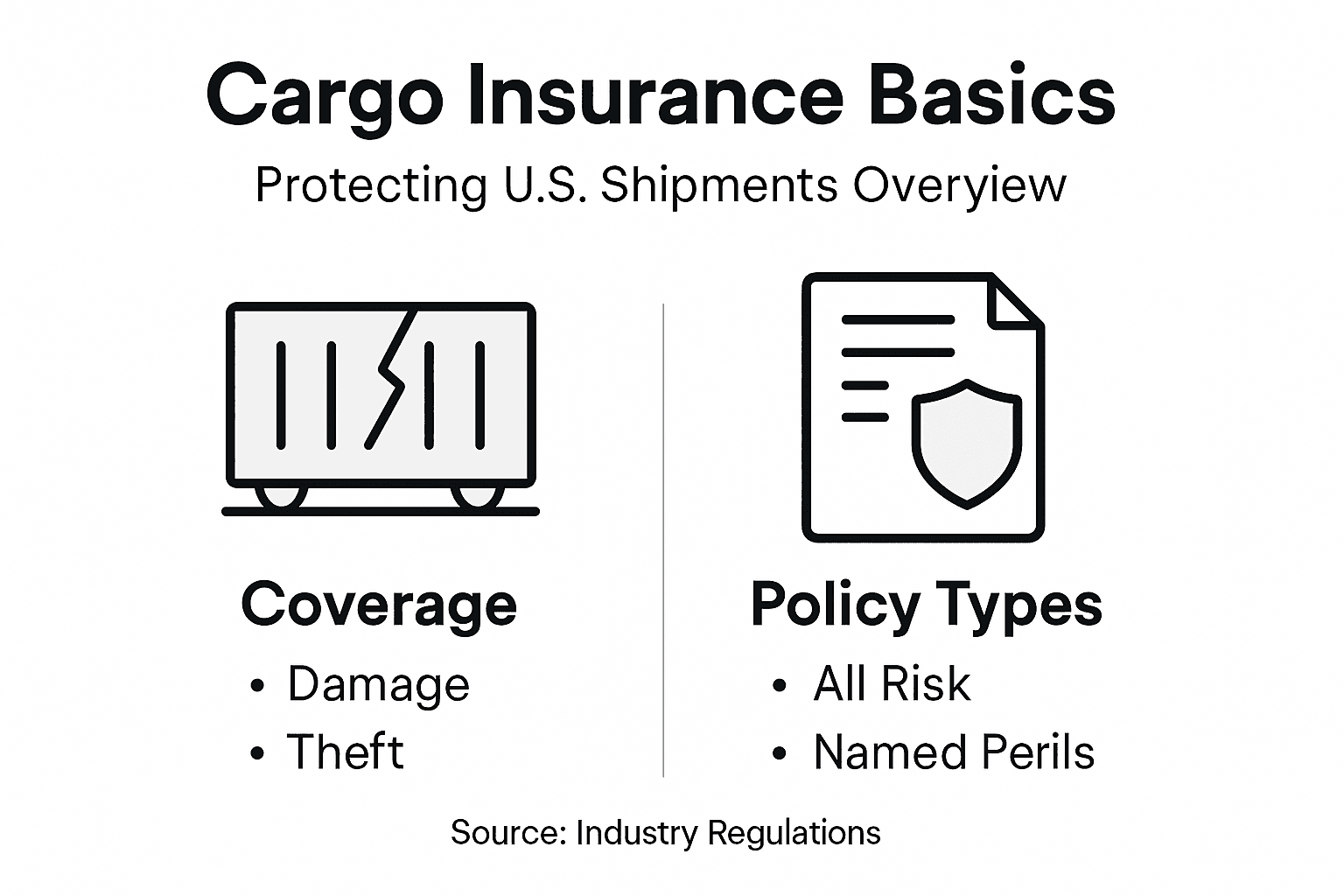
- All-Risk Coverage
- Named Perils Coverage
- Total Loss Coverage
- Warehouse-to-Warehouse Coverage
Successful logistics managers recognize that cargo insurance is not merely a financial product but a comprehensive risk management strategy. By selecting appropriate coverage, businesses can transform potential transportation vulnerabilities into manageable, predictable financial scenarios.
Pro tip: Always conduct a thorough risk assessment of your specific shipping routes and cargo types before selecting an insurance policy.
Types of cargo insurance policies explained
Cargo insurance policies represent a critical layer of financial protection for businesses navigating the complex landscape of international shipping. Trade-related insurance policies offer diverse coverage options that address the multifaceted risks inherent in global logistics operations. These policies are designed to shield businesses from potential financial losses across various transportation scenarios.
Types of Cargo Insurance Policies encompass several key categories:
- Marine Cargo Insurance: Covers goods transported via sea freight
- Air Cargo Insurance: Protects shipments transported by air
- Inland Transit Insurance: Safeguards cargo during ground transportation
- All-Risk Coverage: Comprehensive protection against most potential shipping hazards
- Named Perils Coverage: Specific protection for explicitly defined risks
Understanding these policy variations helps logistics managers select the most appropriate coverage for their specific shipping needs. Commercial insurance frameworks provide critical guidance in navigating these complex insurance landscapes, enabling businesses to create tailored risk management strategies.
Here’s a comparison of common cargo insurance policy types and their optimal use cases:
| Policy Type | Typical Transport Mode | Best For | Limitation |
|---|---|---|---|
| Marine Cargo Insurance | Sea freight | High-value global shipments | Does not cover non-marine risks |
| Air Cargo Insurance | Air freight | Urgent or fragile cargo | Excludes ground delivery risks |
| Inland Transit Insurance | Truck/Train | Domestic or intercity transport | Limited to land-based accidents |
| All-Risk Coverage | Any mode | Comprehensive protection needs | Premiums are higher |
| Named Perils Coverage | Specific mode | Known/specified hazards | Excludes non-listed risks |
Specialized Insurance Categories also include:
- Credit Insurance
- Foreign Exchange Risk Insurance
- Political Risk Insurance
- Product Liability Insurance
Each policy type addresses unique challenges in international trade, offering targeted financial protection against specific risks. Successful logistics managers carefully assess their shipment characteristics, trade routes, and potential vulnerabilities to construct a comprehensive insurance portfolio.
Pro tip: Conduct a thorough risk assessment of your specific shipping routes, cargo types, and transportation modes before selecting an insurance policy to ensure maximum protection.
What cargo insurance typically covers
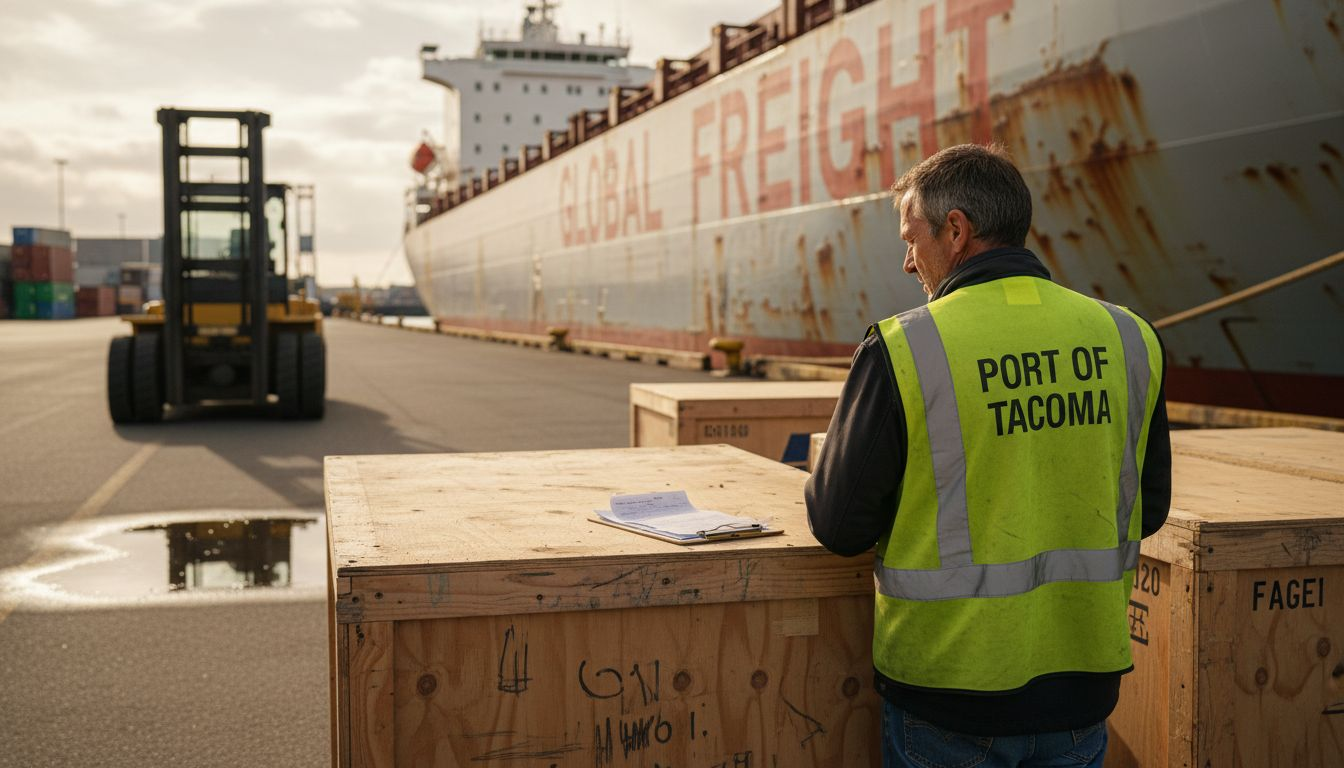
Cargo insurance provides comprehensive financial protection for businesses shipping goods across various transportation modes. Marine insurance protection encompasses a wide range of risks that can potentially disrupt international trade operations. The coverage is designed to shield businesses from unexpected financial losses during transit.
Key Coverage Areas include:
- Physical damage to cargo
- Theft and loss during transportation
- Natural disaster impacts
- Accidental destruction
- Partial or total shipment loss
- Transportation-related accidents
Trade insurance frameworks reveal that coverage extends beyond simple physical protection. Comprehensive cargo insurance typically addresses multiple risk dimensions, protecting businesses from complex logistical challenges.
Types of Protected Risks typically encompass:
- Transportation mode-specific risks
- Environmental hazards
- Handling and loading incidents
- Customs-related disruptions
- Potential criminal activities
Successful logistics managers understand that cargo insurance serves as a critical financial safety net. By transferring potential transportation risks to insurers, businesses can maintain financial stability and operational continuity, even when unexpected incidents occur.
Pro tip: Request a detailed risk assessment from your insurance provider to understand exactly which scenarios are covered under your specific cargo insurance policy.
Key legal rules for U.S. shipments
Navigating the complex legal landscape of U.S. cargo shipments requires a comprehensive understanding of federal regulations and compliance requirements. U.S. maritime shipping laws establish critical legal frameworks that govern cargo transportation, liability, and carrier responsibilities across different transportation modes.
Key Legal Compliance Requirements for U.S. shipments include:
- Accurate cargo declaration
- Proper documentation and manifests
- Compliance with safety regulations
- Adherence to import/export restrictions
- Meeting customs declaration standards
- Maintaining required insurance coverage
U.S. Customs and Border Protection enforces stringent regulations that logistics managers must carefully navigate. Shipping Legal Obligations extend beyond simple transportation, encompassing complex legal responsibilities that can significantly impact business operations.
Primary Legal Considerations for U.S. shipments involve:
- Cargo liability limitations
- Carrier responsibility definitions
- Insurance coverage requirements
- Regulatory compliance standards
- International trade agreement adherence
Successful logistics managers understand that legal compliance is not just about following rules, but about protecting their business from potential financial and operational risks. Understanding these legal frameworks allows companies to develop robust shipping strategies that minimize legal vulnerabilities.
The following table summarizes key legal requirements for U.S. cargo shipments and their impacts on logistics operations:
| Requirement | Regulatory Source | Business Impact | Risk if Ignored |
|---|---|---|---|
| Accurate Cargo Declaration | U.S. Customs | Faster import/export processing | Customs delays, fines |
| Proper Manifest & Docs | Federal Maritime Law | Legal compliance | Shipment can be seized |
| Required Insurance | Transportation Regulations | Reduces financial risk | Full liability exposure |
| Safety Regulation Compliance | DOT/Maritime Safety | Reduced accident liability | Penalties, possible bans |
Pro tip: Consult with a maritime legal specialist to ensure your cargo insurance and shipping practices fully comply with current U.S. federal regulations.
Navigating claims, costs, and common pitfalls
Cargo insurance claims represent a complex process that requires meticulous documentation and strategic navigation. Cargo claims management involves understanding the intricate procedures for identifying, reporting, and recovering losses during shipping operations.
Common Claim Challenges logistics managers frequently encounter include:
- Incomplete documentation
- Missed reporting deadlines
- Insufficient evidence of damage
- Complex international liability rules
- Inadequate insurance coverage
- Unclear damage assessment protocols
Marine cargo claims adjustment requires a systematic approach to cost recovery and liability management. Successful Claims Processing demands comprehensive record-keeping and proactive communication with all involved parties.
Critical Steps in Claims Management:
- Document damage immediately
- Photograph all shipping container conditions
- Preserve original packaging
- Notify insurers within specified timeframes
- Maintain detailed shipment records
Logistics professionals must develop robust strategies to mitigate financial risks associated with shipping claims. Understanding the nuanced legal and procedural landscape helps businesses minimize potential losses and streamline recovery processes.
Pro tip: Create a standardized claims documentation checklist and train your team to complete it comprehensively for every shipment.
Protect Your U.S. Shipments with Expert Cargo Insurance Solutions
Managing the risks of international shipping requires more than just knowledge of cargo insurance basics. Businesses face challenges like potential loss, damage, and complex legal requirements that can disrupt operations and impact financial stability. This article highlights key pain points such as ensuring adequate coverage, complying with U.S. shipment legal rules, and navigating claims efficiently. Understanding terms like “all-risk coverage” and “cargo liability limitations” is fundamental but partnering with an experienced logistics provider can make the difference between uncertainty and confidence.
Worldwide Express, Inc. offers tailored freight forwarding services that include expert cargo insurance handling and compliance support. Our seasoned team helps you select the right coverage to protect your goods from origin to destination. Explore our Uncategorized service offerings for insights into how we manage customs brokerage, freight forwarding, and risk mitigation.
Don’t let cargo insurance complexities slow your business. Visit our homepage at Worldwide Express, Inc. and get started on securing your shipments today. Take control of your logistics with precise coverage and expert guidance—request a freight quote now and ship with confidence.
Frequently Asked Questions
What is cargo insurance?
Cargo insurance is a financial protection mechanism that covers loss or damage to goods during transportation, regardless of the shipping mode (sea, air, or land). It helps mitigate financial uncertainties associated with global trade.
What types of losses does cargo insurance cover?
Cargo insurance typically covers physical damage to cargo, theft, loss during transit, natural disasters, accidental destruction, and transportation-related accidents.
What are the main types of cargo insurance policies?
The main types of cargo insurance policies include marine cargo insurance, air cargo insurance, inland transit insurance, all-risk coverage, and named perils coverage, each tailored to specific transportation needs and risks.
How can I effectively manage cargo insurance claims?
To effectively manage cargo insurance claims, document damage immediately, photograph the condition of shipping containers, preserve original packaging, notify insurers within required timeframes, and maintain detailed shipment records.
Recommended
- 7 Smart Freight Insurance Options for Safer Shipments – Worldwide Express, Inc.
- 7 Essential Import Cargo Insurance Types You Need – Worldwide Express, Inc.
- What is Freight Insurance? Understanding Its Importance – Worldwide Express, Inc.
- Cargo Insurance – Best Coverage for Your Shipments
- Commercial Packing Services: Ensuring Seamless Moves