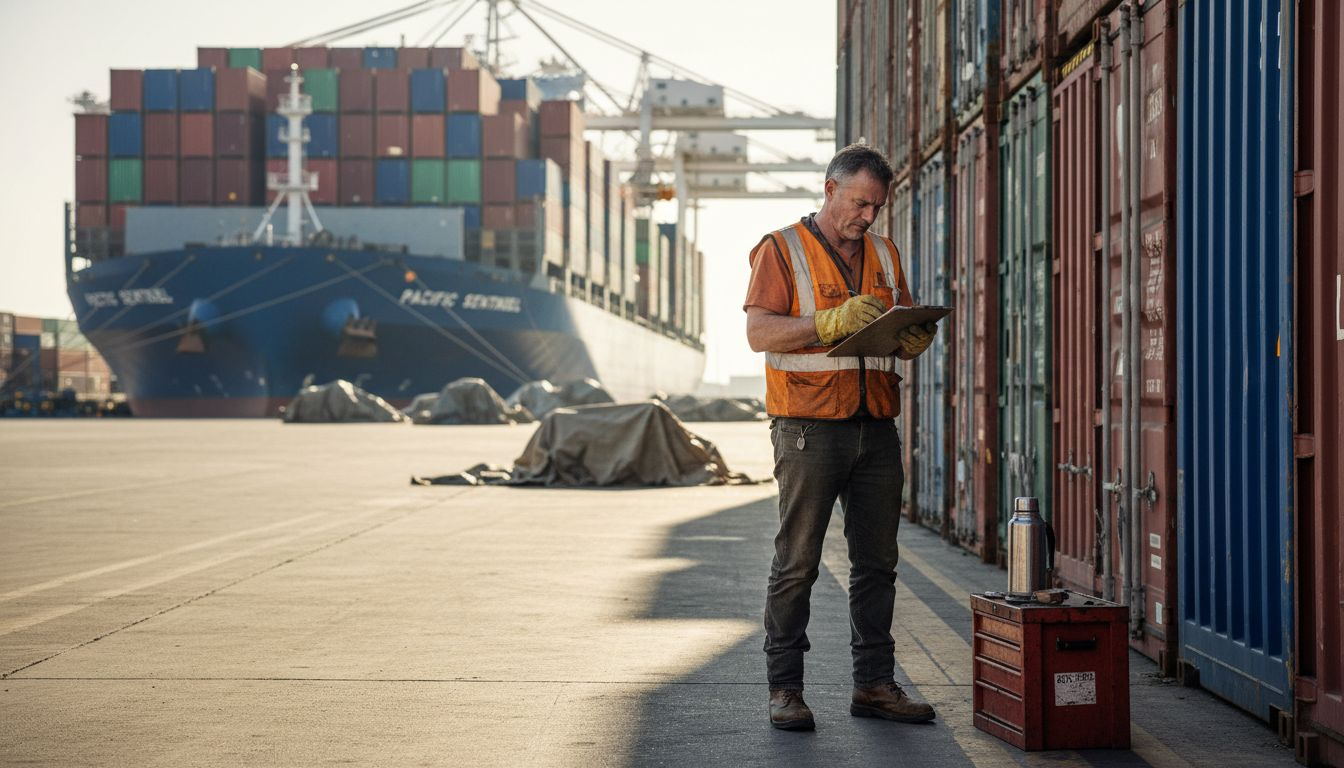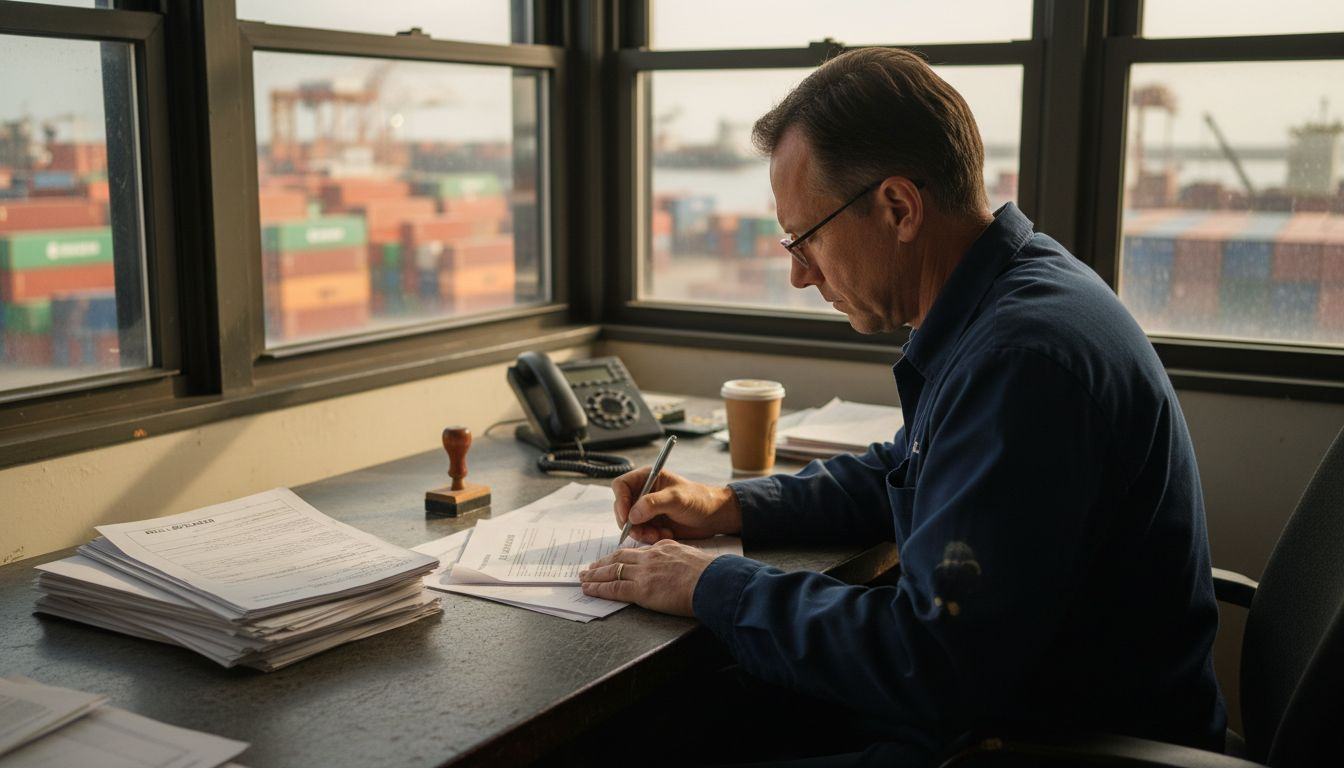
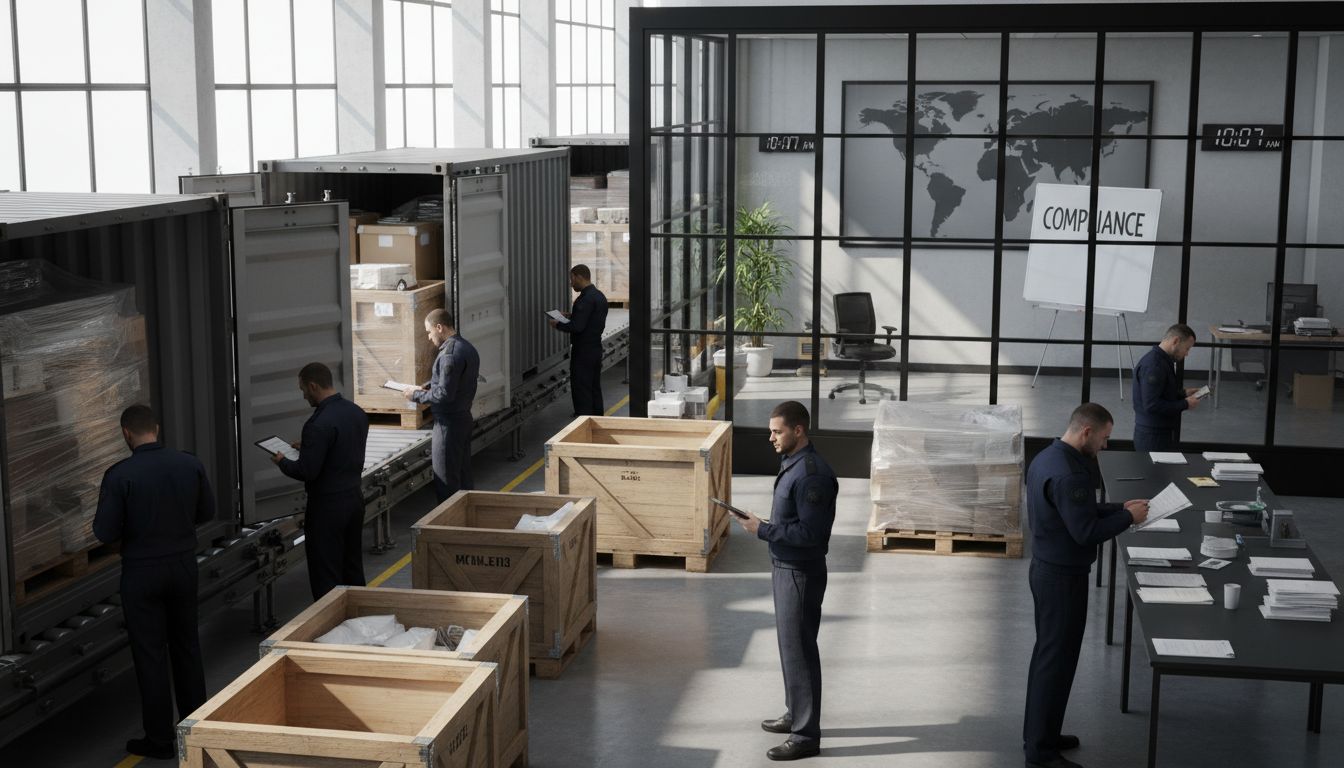
Over 90 percent of american imports face some degree of review at customs, making this process a major touchpoint for businesses trading across borders. When documentation is incomplete or errors slip through, companies risk costly delays and unexpected fees. Understanding how customs inspections work gives importers practical strategies to protect their shipments, control expenses, and ensure every package reaches its destination without unnecessary trouble.
Table of Contents
- Understanding the Customs Inspection Process
- Types of Customs Inspections Explained
- Key Steps in the Inspection Procedure
- Compliance Requirements and Documentation
- Risks, Delays, and How to Avoid Them
Key Takeaways
| Point | Details |
|---|---|
| Importance of Documentation | Comprehensive and accurate documentation is crucial to navigate customs inspections and avoid delays. |
| Types of Inspections | Customs inspections include document reviews, physical inspections, and advanced scanning, each tailored to specific risks and shipment types. |
| Risk Management Strategies | Businesses should implement robust internal processes to anticipate documentation errors and streamline compliance with regulations. |
| Financial Implications | Delays in customs can lead to substantial financial costs, making proactive compliance a strategic necessity for successful international trade. |
Understanding the Customs Inspection Process
Customs inspection represents a critical checkpoint in international trade, where government authorities carefully examine imported goods to ensure compliance with national regulations. The process involves a systematic evaluation of shipments to verify accuracy of documentation, assess potential risks, and confirm adherence to legal requirements. Customs entry procedures play a fundamental role in determining how thoroughly goods will be reviewed.
During a typical customs inspection, officials thoroughly examine multiple aspects of an international shipment. These assessments often include physical inspection of cargo, verification of declared value, review of shipping manifests, and confirmation of product classification. Trained inspectors use sophisticated scanning technologies and manual examination techniques to detect potential issues such as undeclared items, prohibited goods, or discrepancies in shipping documentation.
The inspection process varies depending on several key factors, including the type of goods being imported, the shipment’s country of origin, and the specific risk profile associated with the cargo. High-risk shipments might undergo more extensive scrutiny, which could involve detailed physical examinations, laboratory testing, or additional documentation requirements. By implementing strategic customs clearance approaches, businesses can streamline their international shipping processes and minimize potential delays or complications.
To successfully navigate customs inspections, importers must prepare comprehensive and accurate documentation. This includes commercial invoices, packing lists, certificates of origin, and any specialized permits required for specific product categories. Proactive preparation and understanding of regulatory requirements can significantly reduce the likelihood of extended inspection times or potential penalties.
Types of Customs Inspections Explained
Customs inspections are not a one-size-fits-all process, but rather a nuanced system of evaluations designed to ensure compliance and protect national borders. Customs inspection protocols encompass several distinct types of examinations, each serving a specific purpose in the international trade ecosystem. These inspections range from routine document reviews to comprehensive cargo examinations, with varying levels of intensity and scrutiny.
The primary inspection types include document review, physical inspection, and advanced scanning. Document reviews involve careful examination of shipping manifests, commercial invoices, certificates of origin, and other critical paperwork to verify the accuracy of declared goods. Physical inspections go a step further, with customs officers directly examining the cargo, opening containers, and conducting detailed visual and tactile assessments to confirm the contents match the documentation.
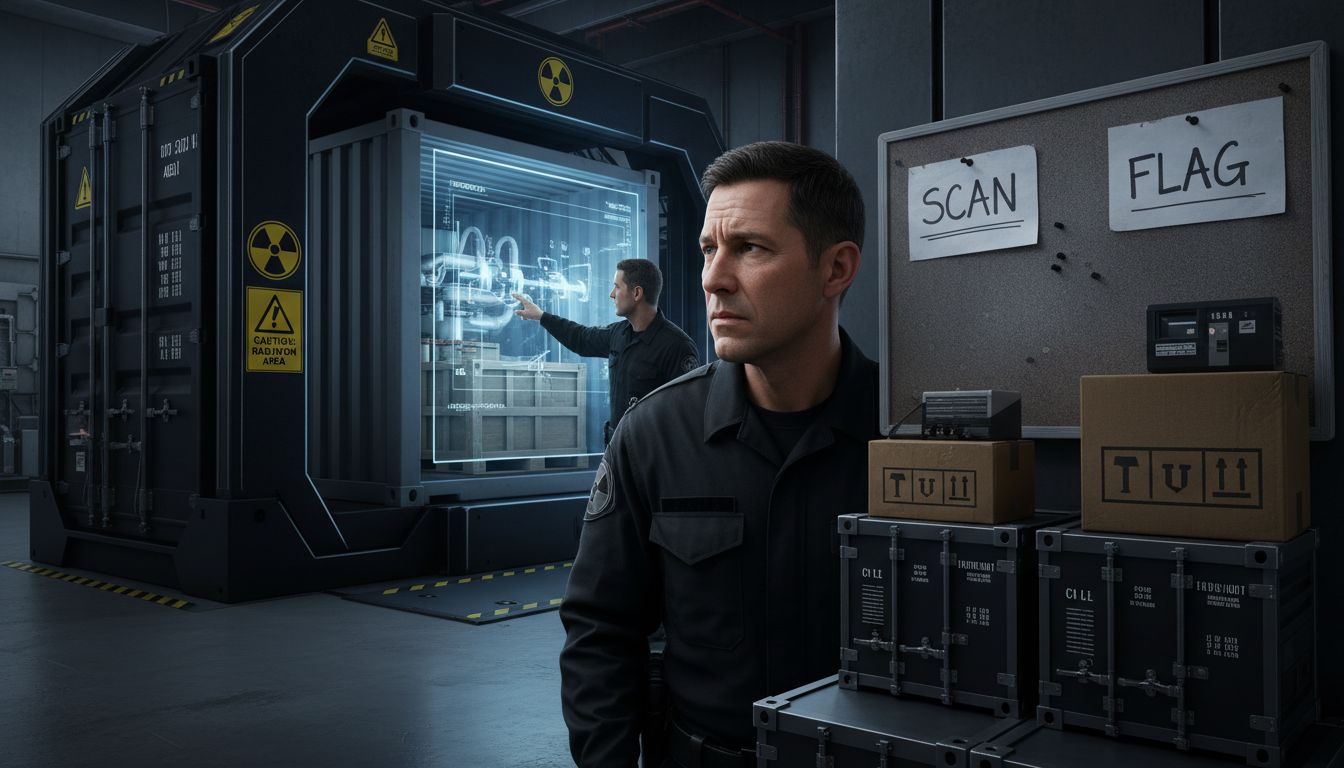
Advanced scanning techniques have become increasingly sophisticated, utilizing technologies like X-ray machines, radiation detectors, and complex imaging systems to evaluate shipments without physical disruption. Customs bond requirements often dictate the depth of these inspections, with high-value or potentially risky shipments receiving more intensive screening. These technological approaches allow customs officials to detect potential contraband, verify cargo contents, and ensure compliance with import regulations while minimizing disruption to trade flow.
Risk assessment plays a crucial role in determining the type and depth of customs inspection. Factors such as the shipment’s origin, the type of goods, the importer’s historical compliance record, and current geopolitical considerations all influence the inspection process. Some shipments might undergo quick, superficial checks, while others could require extensive laboratory testing, multiple scanning processes, or even complete unpacking and detailed examination. Understanding these potential inspection scenarios helps businesses prepare comprehensive documentation and anticipate potential delays in their international shipping operations.
Key Steps in the Inspection Procedure
The customs inspection procedure follows a structured approach designed to systematically assess incoming shipments and ensure regulatory compliance. Customs entry documentation serves as the critical foundation for initiating the inspection process. Importers must prepare a comprehensive set of documents that provide complete and accurate information about the shipment, including commercial invoices, packing lists, certificates of origin, and any specialized permits required for specific product categories.
The typical inspection procedure involves multiple sequential stages. Initial document review is the first critical step, where customs officials carefully examine all submitted paperwork for accuracy and completeness. Inspectors verify the declared value, product classification, country of origin, and ensure all required documentation is present and properly completed. This stage helps determine the potential risk level of the shipment and decides whether additional physical inspection will be necessary.
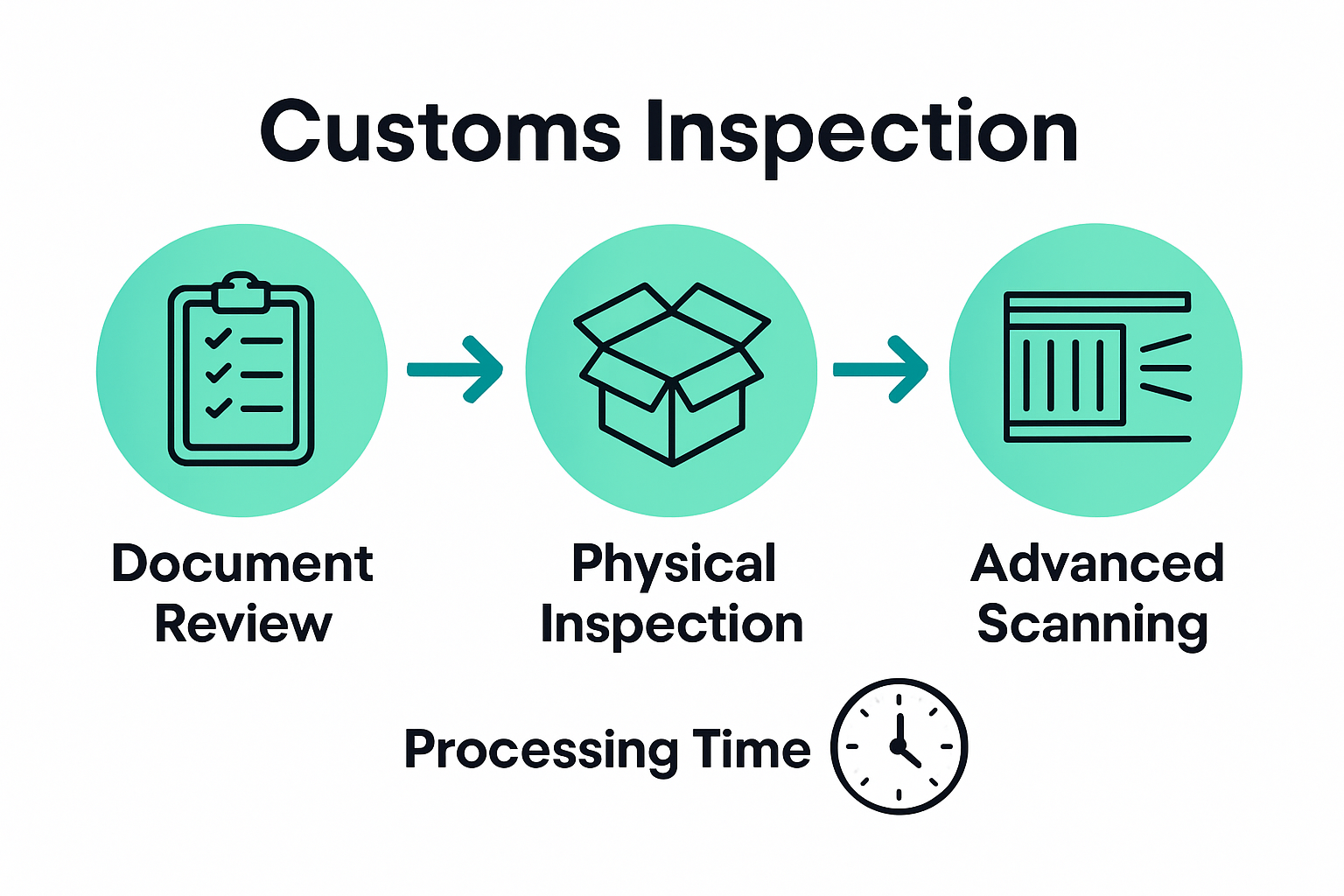
Physical inspection represents the next level of scrutiny, where customs officers may conduct detailed examinations of the cargo. These examinations can range from non-intrusive scanning using advanced technologies to complete unpacking and manual verification of goods. Customs duty payment processes often intersect with these inspections, as the final assessment of duties and taxes depends on the accurate classification and valuation of goods confirmed during the physical examination.
Risk assessment continues throughout the entire inspection procedure, with officials using sophisticated screening technologies and historical data to identify potential compliance issues. Factors such as the importer’s previous compliance record, the nature of the goods, and current geopolitical considerations all influence the depth and intensity of the inspection. Successful navigation of these steps requires meticulous preparation, thorough documentation, and a proactive approach to meeting all regulatory requirements. Businesses that understand and anticipate these inspection protocols can significantly reduce the likelihood of delays, additional fees, or potential penalties in their international shipping operations.
Compliance Requirements and Documentation
Compliance in international trade demands meticulous attention to documentation and regulatory standards. Customs bond requirements form the foundational framework that governs how businesses must prepare and submit critical shipping documentation. Importers must understand that every document serves a specific purpose in demonstrating the legitimacy, value, and safety of their international shipments.
The Importer of Record bears primary responsibility for ensuring comprehensive documentation. Critical documents include commercial invoices, which must precisely detail the transaction value, product description, and origin. Packing lists provide granular information about shipment contents, while certificates of origin validate the manufacturing location and potentially impact duty rates. Specialized permits become necessary for regulated goods such as agricultural products, pharmaceuticals, or technology with potential strategic implications.
Importers must also navigate complex Importer Security Filing requirements, which demand advance electronic submission of specific cargo information. Customs invoice documentation plays a crucial role in this process, with regulations mandating detailed declarations about shipment contents, shipper information, and potential security risks. Failure to provide accurate and timely documentation can result in significant penalties, shipment delays, or even complete cargo seizure.
Risk mitigation through comprehensive documentation is not just a regulatory requirement but a strategic business practice. Successful importers develop systematic approaches to documentation management, leveraging technology and expert guidance to ensure consistent compliance. This proactive stance involves maintaining updated records, understanding evolving regulatory landscapes, and implementing robust internal controls that anticipate and address potential documentation challenges before they become problematic issues in the customs clearance process.
Risks, Delays, and How to Avoid Them
Customs inspection risks can create significant operational challenges for businesses engaged in international trade. Customs bond requirements play a critical role in mitigating potential complications that could disrupt shipping timelines and increase financial exposure. Understanding these risks is the first step in developing a proactive strategy to minimize potential delays and regulatory complications.
The most common risks in customs inspections stem from documentation errors, misclassification of goods, and incomplete compliance records. Inaccurate or incomplete commercial invoices can trigger extensive reviews, potentially resulting in shipment holds that can last days or even weeks. Importers must be particularly vigilant about providing precise product descriptions, accurate valuation, and comprehensive supporting documentation. Customs invoice documentation becomes crucial in preventing these potential bottlenecks.
Strategic risk management involves implementing robust internal processes that anticipate and address potential inspection challenges. Businesses should develop comprehensive compliance checklists, conduct regular internal audits, and maintain up-to-date knowledge of changing regulatory requirements. Advanced preparation can include pre-filing documentation, ensuring accurate product classifications, maintaining clean compliance histories, and leveraging technology solutions that help streamline documentation processes and reduce the likelihood of manual inspection.
Financial implications of customs delays can be substantial, extending beyond direct shipping costs to include potential penalties, storage fees, and lost market opportunities. Successful importers treat customs compliance as a strategic priority, investing in training, technology, and expert guidance to navigate the complex landscape of international trade regulations. By developing a proactive approach that emphasizes accuracy, transparency, and thorough preparation, businesses can significantly reduce the risks associated with customs inspections and maintain smooth, efficient international shipping operations.
Simplify Your Customs Inspection Experience with Expert Support
Navigating the complexities of the customs inspection process can feel overwhelming. From managing accurate documentation to anticipating possible delays or compliance issues, the challenges are real and can impact your business operations. This article highlights critical concepts such as customs bond requirements, detailed customs invoice documentation, and the significance of thorough customs entry procedures to avoid costly mistakes and extended holds on your shipments.
Take control of your international shipping with Worldwide Express, Inc. Our seasoned team offers tailored logistics solutions designed to streamline customs clearance and minimize inspection risks. Explore how our comprehensive services in customs brokerage, freight forwarding, and compliance management can protect your shipments and accelerate delivery times. Act now to reduce uncertainty and keep your supply chain moving smoothly. Visit Worldwide Express to learn more and get started. For practical insights and updates, check out our Uncategorized – Worldwide Express, Inc. page and connect with industry-leading resources that empower your customs strategy.
Frequently Asked Questions
What is the customs inspection process?
Customs inspection is a critical evaluation by government authorities of imported goods to ensure compliance with national regulations. It involves reviewing documentation, assessing risks, and verifying the adherence to legal requirements.
What types of inspections can customs perform?
Customs can perform various types of inspections, including document reviews, physical inspections of the cargo, and advanced scanning techniques. Each type serves to verify the accuracy of shipment details and compliance with regulations.
How can I prepare for a customs inspection?
Preparation for a customs inspection includes providing comprehensive and accurate documentation, such as commercial invoices, packing lists, and certificates of origin. Understanding regulatory requirements and keeping records updated can also aid in smooth inspections.
What are the common risks associated with customs inspections?
Common risks in customs inspections include documentation errors, misclassification of goods, and incomplete compliance records. These issues can lead to delays, fines, or seizure of shipments, making accurate and thorough documentation essential.
Recommended
- Master Importing Food Products: Step-by-Step US Guide – Worldwide Express, Inc.
- How to Pay Customs Duties: A Step-by-Step Guide – Worldwide Express, Inc.
- How to Import Goods: A Step-by-Step Guide for Success – Worldwide Express, Inc.
- How to Import from China: Step-by-Step Business Guide – Worldwide Express, Inc.