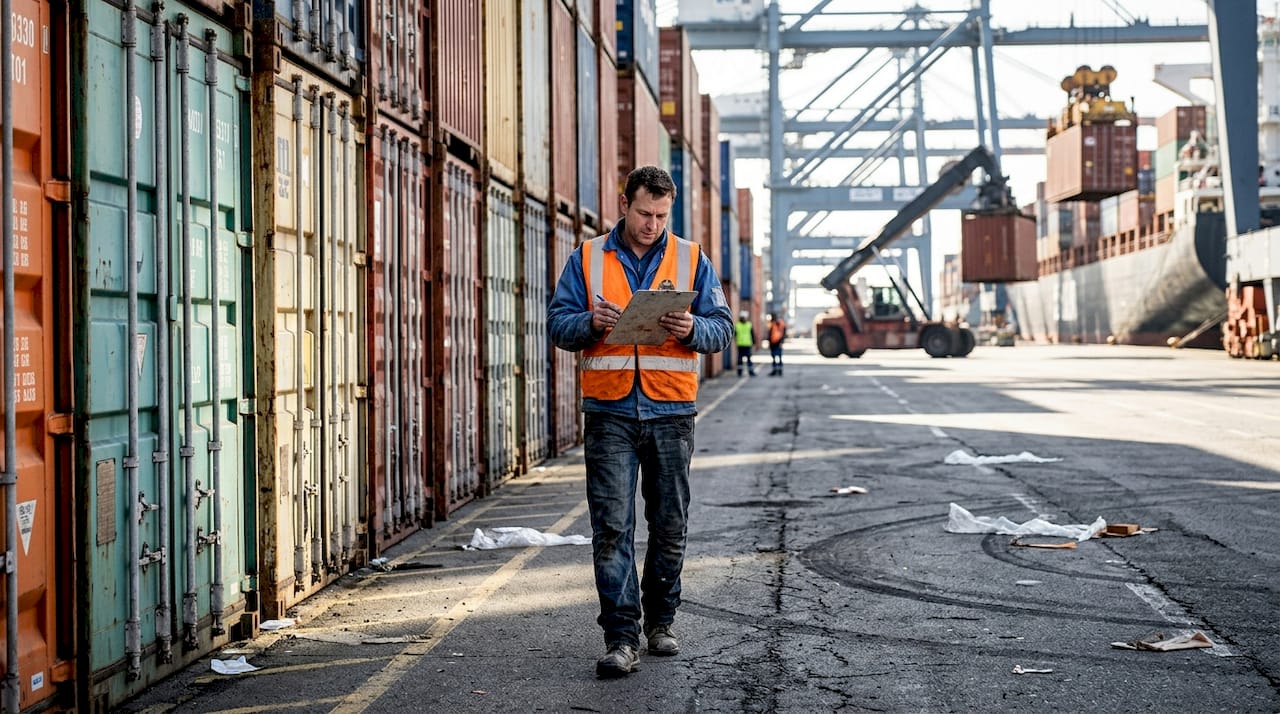

Every day, logistics teams in the United States make choices that shape the speed and reliability of global shipments. The challenge often lies in deciding whether a freight forwarder or a customs broker best supports your company’s international operations. Understanding the distinct, yet often overlapping, roles of these experts will help you reduce delays, protect compliance, and manage shipping costs more effectively. This essential overview clarifies what sets freight forwarding and customs brokerage apart so you can make confident logistics decisions.
Table of Contents
- Defining Freight Forwarding and Brokerage Roles
- Key Differences in Services and Processes
- Legal Responsibilities and Compliance Standards
- Cost Structures, Risks, and Liabilities
- Selecting the Right Partner for Your Supply Chain
Key Takeaways
| Point | Details |
|---|---|
| Freight Forwarders Manage Logistics | They facilitate cargo transportation and optimize costs through consolidated shipments and thorough documentation management. |
| Customs Brokers Ensure Compliance | They specialize in regulatory affairs, focusing on accurate documentation and smooth customs clearance. |
| Collaborative Roles Enhance Efficiency | Both services are essential for navigating international trade, enabling businesses to mitigate risks and accelerate shipping processes. |
| Selecting the Right Partner is Crucial | Businesses should evaluate logistics partners based on industry knowledge, service offerings, and regulatory compliance to meet their unique shipping needs. |
Defining Freight Forwarding and Brokerage Roles
In the complex world of international trade, freight forwarding and customs brokerage represent two distinct yet interconnected professional services that streamline global shipping operations. While they may seem similar at first glance, these roles have unique responsibilities that are critical to efficient cross-border commerce.
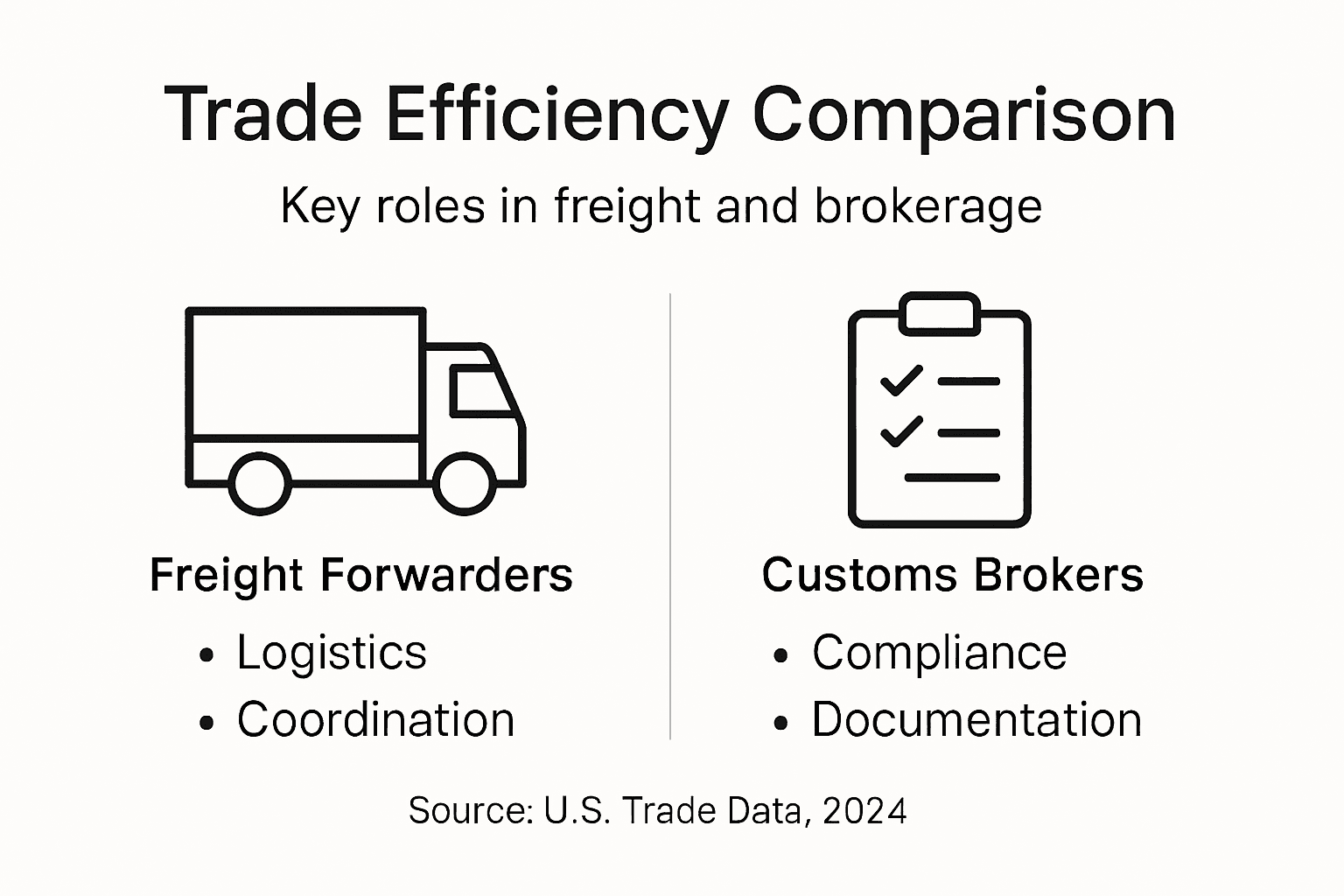
Freight forwarders primarily manage the logistics of transporting goods internationally, acting as intermediaries who coordinate complex shipping processes. Their core responsibilities include:
- Organizing cargo transportation via multiple modes (air, sea, road, rail)
- Consolidating shipments to optimize transportation costs
- Handling documentation and logistics planning
- Managing risk and insurance requirements
- Ensuring compliance with international shipping regulations
Customs brokers, by contrast, specialize in navigating the regulatory landscape of international trade. Intermediaries between importers and government authorities, they focus on ensuring smooth customs clearance and regulatory compliance. Their key functions involve:
- Preparing and submitting import/export documentation
- Calculating and processing customs duties and taxes
- Interpreting complex customs regulations
- Facilitating communication with governmental agencies
- Ensuring shipments meet all legal requirements
While freight forwarders and customs brokers have different primary functions, they often work collaboratively to create seamless international shipping experiences. Their complementary roles help businesses navigate the intricate challenges of global trade, reducing potential delays and minimizing compliance risks.
Here’s how freight forwarders and customs brokers differ in their business impact:
| Aspect | Freight Forwarder Impact | Customs Broker Impact |
|---|---|---|
| Supply Chain Efficiency | Streamlines global transport | Accelerates customs clearance |
| Risk Management | Mitigates insurance challenges | Reduces regulatory non-compliance |
| Cost Optimization | Consolidates shipments for savings | Minimizes unexpected duty costs |
| Compliance Assurance | Supports regulation adherence | Ensures all legal standards met |
Pro tip: When selecting international shipping partners, always verify their specific expertise in handling your industry’s unique shipping and regulatory requirements.
Key Differences in Services and Processes
Understanding the nuanced distinctions between freight forwarders and customs brokers is crucial for businesses navigating international trade. Logistics and transportation processes reveal significant variations in their operational approaches and professional responsibilities.
Freight forwarders offer a comprehensive suite of services that extend far beyond simple transportation coordination. Their role encompasses:
- Creating complete shipping strategies
- Negotiating rates with multiple carriers
- Managing complex multimodal transportation routes
- Providing end-to-end logistics solutions
- Handling intricate documentation requirements
Customs brokers, in contrast, specialize in a more focused set of services centered around regulatory compliance. Cargo movement facilitation is their primary objective, with key differentiators including:
- Direct interaction with governmental agencies
- Precise customs documentation processing
- Calculating and managing import/export duties
- Ensuring legal compliance for shipments
- Navigating complex international trade regulations
The fundamental difference lies in their scope of engagement. Freight forwarders design holistic transportation strategies, while customs brokers concentrate on the legal and regulatory aspects of international trade. This complementary relationship means businesses often require both services to ensure smooth, efficient cross-border commerce.

Pro tip: Consider engaging both a freight forwarder and a customs broker to create a comprehensive international shipping strategy that addresses both logistical and regulatory challenges.
Legal Responsibilities and Compliance Standards
In the intricate world of international trade, legal responsibilities and compliance standards form the critical backbone of freight forwarding and customs brokerage operations. Customs broker guidelines establish comprehensive frameworks that govern these professional services, ensuring transparency and accountability in cross-border transactions.
Customs brokers bear significant legal responsibilities that extend beyond simple documentation. Their key legal obligations include:
- Ensuring 100% accuracy of import/export documentation
- Verifying precise duty and tax calculations
- Maintaining strict adherence to federal trade regulations
- Protecting client interests through meticulous compliance
- Representing clients during governmental interactions
U.S. Customs and Border Protection regulations impose stringent requirements on freight forwarders and customs brokers. Their legal framework encompasses:
- Mandatory licensing and certification processes
- Comprehensive record-keeping requirements
- Regular compliance audits and inspections
- Potential financial penalties for regulatory violations
- Professional liability for documentation errors
The legal landscape demands exceptional precision. Both freight forwarders and customs brokers must navigate complex international trade agreements, domestic regulations, and evolving governmental requirements. Their roles are not just transactional but serve as critical guardians of legal and financial integrity in global commerce.
Pro tip: Regularly update your compliance knowledge and invest in ongoing professional training to stay ahead of changing international trade regulations.
Cost Structures, Risks, and Liabilities
Navigating the financial landscape of international trade requires a nuanced understanding of cost structures and liability frameworks for freight forwarders and customs brokers. Freight forwarding service fees reveal a complex ecosystem of financial considerations that businesses must carefully evaluate.
Freight forwarders typically employ diverse pricing models, which include:
- Percentage-based fees on total shipment value
- Flat rates for specific service packages
- Hourly or project-based billing
- Volume-based pricing tiers
- Customized pricing for complex logistics requirements
Broker commission structures present their own unique financial dynamics, characterized by:
- Commissions derived from negotiated carrier rates
- Performance-based compensation models
- Variable fee structures depending on shipment complexity
- Risk-adjusted pricing mechanisms
- Transparent fee disclosures
Risk management represents a critical component of these financial arrangements. Both freight forwarders and brokers must develop sophisticated strategies to mitigate potential financial exposure, including comprehensive insurance coverage, rigorous carrier vetting processes, and detailed contractual protections that clearly delineate liability boundaries.
Pro tip: Always request a detailed breakdown of all potential fees and liability clauses before engaging any freight forwarding or brokerage service to avoid unexpected financial complications.
Selecting the Right Partner for Your Supply Chain
Choosing the ideal logistics partner requires a strategic approach that goes beyond simple transactional considerations. Supply chain partner selection demands a comprehensive evaluation of your business’s unique operational requirements, regulatory landscape, and long-term strategic objectives.
Businesses should carefully assess potential partners based on several critical factors:
- Depth of industry-specific expertise
- Comprehensive service offerings
- Technological capabilities and integration
- Track record of regulatory compliance
- Flexibility in handling complex shipping scenarios
- Geographic coverage and network strength
- Financial stability and reputation
The decision between a freight forwarder and a broker hinges on several nuanced considerations. Logistics service complexity reveals distinct advantages for different business models:
-
Freight forwarders excel in:
- End-to-end logistics management
- Complex international shipment handling
- Comprehensive regulatory navigation
- Multi-modal transportation solutions
-
Brokers are optimal for:
- Cost-sensitive, straightforward routes
- Quick transportation space procurement
- Simplified shipping requirements
- Flexible carrier negotiations
Navigating this decision requires a deep understanding of your specific supply chain challenges. Businesses with intricate international shipping needs typically benefit more from the comprehensive services of freight forwarders, while those with simpler, more predictable routes might find brokers more cost-effective.
A quick guide to choosing the right logistics partner:
| Criterion | Freight Forwarder Advantage | Broker Advantage |
|---|---|---|
| Complex Shipments | Manages multi-route logistics | Limited to simple transactions |
| Industry Expertise | Broad experience in many sectors | Often specialized, narrow focus |
| Regulatory Handling | General compliance support | Deep expertise in customs rules |
| Cost Structure | Custom pricing, scaled options | Transparent fees, fast negotiation |
Pro tip: Conduct a thorough internal audit of your shipping requirements before engaging any logistics partner, and request detailed case studies demonstrating their expertise in your specific industry segment.
Enhance Your U.S. Trade Efficiency with Expert Freight Forwarding and Brokerage Solutions
International shipping challenges like complex logistics coordination and strict customs compliance require trusted partners who understand your unique needs. This article highlighted how freight forwarders and customs brokers play critical yet different roles in smoothing global trade. If your business struggles with managing multimodal shipments, navigating customs regulations, or controlling costs while avoiding delays, then partnering with specialists is essential.
At Worldwide Express, Inc., we specialize in comprehensive freight forwarding and customs brokerage services designed to reduce risks and deliver efficient supply chain solutions. Our team handles everything from documentation accuracy to duty management, empowering your business with seamless cross-border transportation and compliance. Discover tailored strategies and industry-leading expertise by exploring our Uncategorized Services.
Take control of your international shipments today. Visit Worldwide Express to request a freight quote or learn more about how our integrated logistics solutions can optimize your U.S. trade operations. Don’t let complex trade regulations or inefficient shipping slow your growth. Connect with experts ready to elevate your supply chain.
Frequently Asked Questions
What is the primary role of a freight forwarder?
Freight forwarders manage the logistics of transporting goods internationally, coordinating processes like cargo transportation, documentation, and compliance with shipping regulations.
How do customs brokers assist in international trade?
Customs brokers specialize in ensuring smooth customs clearance by preparing and submitting import/export documentation, calculating customs duties, and ensuring compliance with regulations.
What are the main differences between freight forwarders and customs brokers?
Freight forwarders focus on transportation logistics and supply chain efficiency, while customs brokers concentrate on regulatory compliance and customs clearance.
Why is it important to engage both a freight forwarder and a customs broker for international shipping?
Utilizing both services ensures comprehensive support for logistical and regulatory challenges, enhancing efficiency and minimizing potential delays in cross-border commerce.
Recommended
- Broker vs Freight Forwarder: Key Differences Explained – Worldwide Express, Inc.
- Understanding Customs Broker vs Freight Forwarder – Worldwide Express, Inc.
- What Does a Freight Broker Agent Do – Impact for U.S. Importers – Worldwide Express, Inc.
- Customs Broker Explained: Ensuring Smooth U.S. Imports – Worldwide Express, Inc.
- USA Tariff Changes vs Manufacturing in China