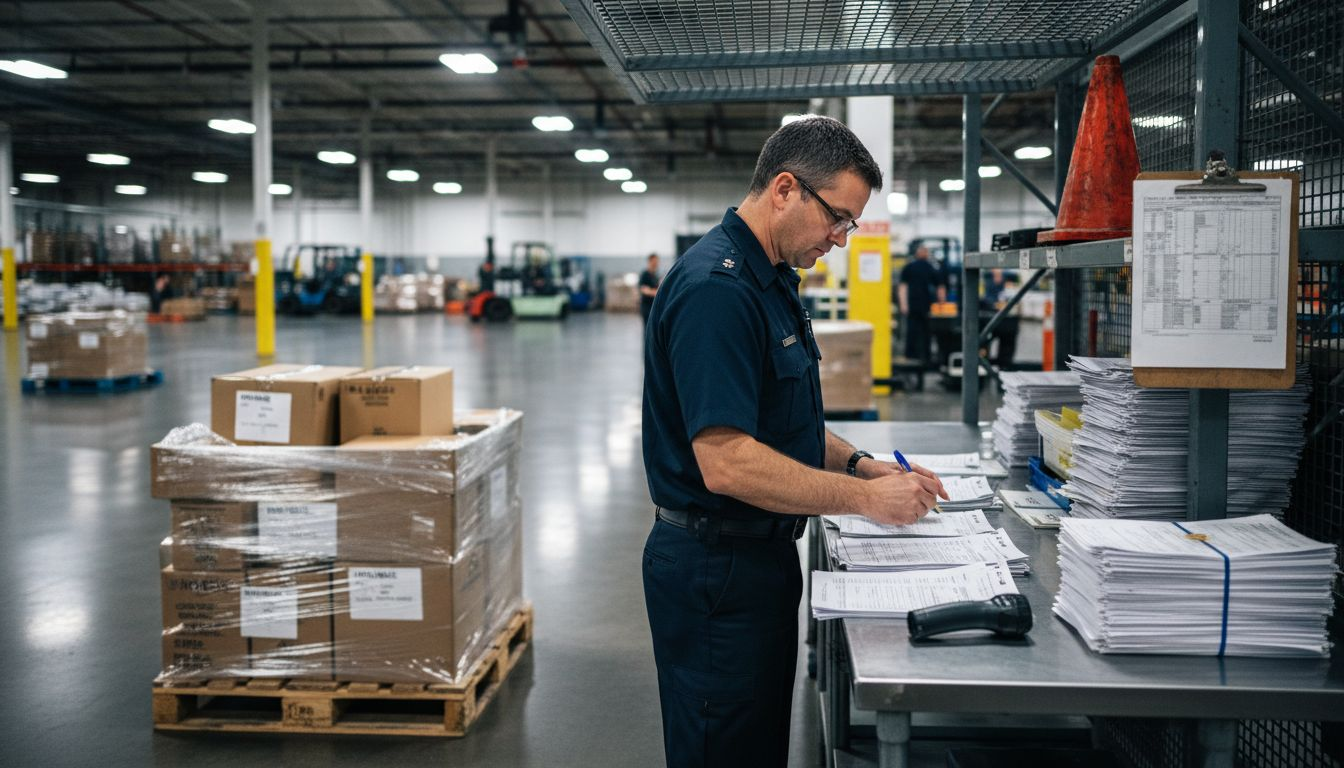

Tariff volatility has emerged as the dominant disruptor in global shipping, with 72% of trade professionals citing it as their biggest challenge in 2026. Mid-sized manufacturers and retailers face unprecedented complexity navigating shifting trade policies, sustainability mandates, and capacity constraints. This guide equips logistics managers with actionable strategies covering AI-powered decision-making, nearshoring, multi-modal optimization, and resilience-building tactics to turn disruption into competitive advantage.
Table of Contents
- How To Choose The Right Shipping Strategy In 2026
- AI-Powered Logistics And Decision-Making
- Evolving Trade Policies And Tariff Impact
- Supply Chain Resilience And Nearshoring
- Summary Comparison And Situational Recommendations
- Explore Expert Freight Forwarding & Logistics Solutions
- Frequently Asked Questions About The Future Of Global Shipping
Key Takeaways
| Point | Details |
|---|---|
| Tariff Disruption | 72% of trade professionals identify U.S. tariff volatility as the top challenge in 2026. |
| AI Adoption | Over 70% of logistics operations now use AI for forecasting, routing, and exception management. |
| Nearshoring Growth | Regional production in North America reduces geopolitical risks and transit complexity. |
| Sustainability Mandates | Carbon reporting and emissions tracking have become non-negotiable operational requirements. |
| Multi-Modal Strategy | Combining ocean, air, and trucking modes balances cost, speed, and reliability tradeoffs. |
How to Choose the Right Shipping Strategy in 2026
Selecting the right shipping approach requires balancing multiple variables that have grown increasingly complex. Tariff uncertainty, technology capabilities, sustainability requirements, and regional sourcing all influence your strategic choices.
Resilience and flexibility now rank as primary selection criteria. Your shipping strategy must adapt quickly when tariffs shift or regulations change overnight. Building buffer capacity and maintaining multiple supplier relationships prevents single points of failure.
Technology integration separates leaders from laggards. AI-driven analytics predict demand spikes, optimize routes in real time, and identify exceptions before they cascade into costly delays. Platforms that consolidate tracking data across carriers give you visibility that manual processes cannot match.
Multi-modal shipping provides insurance against capacity crunches. When ocean freight faces port congestion, air capacity offers an escape valve despite higher costs. When trucking labor shortages constrain final-mile delivery, rail intermodal can bridge gaps. Optimizing logistics for global shipping means treating mode selection as a dynamic decision, not a static contract.
Key selection criteria for 2026:
- Flexibility to pivot suppliers and routes within 30 days
- Technology platforms with API integration for real-time data
- Sustainability tracking for carbon footprint and emissions reporting
- Regional sourcing options to reduce geopolitical exposure
- 3PL partnerships offering scalable capacity management
Pro Tip: Audit your current shipping mix quarterly rather than annually. Tariff regimes and capacity constraints shift too fast for annual reviews to capture emerging opportunities or risks.
Sustainability compliance has moved from optional to mandatory. Customers demand carbon footprint data, and regulations increasingly require emissions tracking. Your shipping strategy must incorporate carbon accounting from the start, not as an afterthought.
AI-Powered Logistics and Decision-Making
AI in logistics has crossed the adoption threshold, with AI-driven predictive analytics and route optimization improving demand forecasting and bottleneck prevention across supply chains. The technology delivers tangible benefits for mid-sized businesses competing against larger enterprises.
Predictive analytics transform how you manage inventory and capacity. Machine learning models analyze historical shipment data, seasonal patterns, and external factors like weather or port congestion to forecast demand with 85-90% accuracy. You can position inventory closer to customers before demand spikes occur, cutting lead times by days or weeks.
Route optimization adapts in real time to changing conditions. AI systems monitor traffic, weather, port delays, and carrier performance simultaneously, automatically rerouting shipments to avoid bottlenecks. What previously required manual intervention and delayed responses now happens instantly, saving both time and money.
Shipment visibility improves dramatically when AI consolidates fragmented tracking systems. Rather than logging into multiple carrier portals, AI platforms aggregate data streams into unified dashboards. Exception alerts trigger automatically when shipments deviate from expected timelines, enabling proactive customer communication.
AI applications delivering immediate value:
- Automated freight quoting that factors in current capacity and routing
- Predictive maintenance alerts for equipment and container availability
- Demand sensing that adjusts inventory placement dynamically
- Exception management that prioritizes urgent issues for human review
- Cost modeling that simulates tariff scenarios before committing to routes
Pro Tip: Start with one high-impact use case like predictive routing rather than attempting full AI transformation. Prove ROI on a contained project, then expand to adjacent processes.
The labor shortage makes AI adoption essential rather than optional. Logistics optimization strategies increasingly rely on automation to compensate for unfilled positions. AI handles routine tasks like tracking updates and quote generation, freeing your team to focus on relationship management and strategic planning.
Evolving Trade Policies and Tariff Impact
Trade policy volatility creates the single largest planning challenge for international shipping in 2026. The regulatory environment remains fluid, with Section 301 tariffs, ongoing trade investigations, and Supreme Court cases creating unpredictable cost structures.
Tariff volatility challenges force logistics managers to continuously recalculate landed costs. What looks profitable under current tariff rates can turn unprofitable overnight when duties increase by 10-25%. This uncertainty complicates supplier negotiations, pricing strategies, and mode selection decisions.
Section 232 and 301 tariffs affect thousands of product categories differently. Steel and aluminum face specific duties, while electronics, textiles, and consumer goods encounter variable rates depending on country of origin. Classifying products correctly under Harmonized Tariff Schedule codes becomes critical to avoid unexpected costs or compliance penalties.
Multi-modal routing flexibility helps mitigate tariff impacts. When tariffs increase on goods from one country, shifting production to alternative sources or using different ports of entry can reduce total landed costs. However, this flexibility requires advance planning and established relationships with multiple suppliers.
Strategies to manage tariff uncertainty:
- Monitor U.S. Trade Representative announcements and Federal Register notices weekly
- Maintain supplier relationships in at least three countries or regions
- Build tariff scenario modeling into your annual budgeting process
- Consider bonded warehousing to defer duties until goods enter commerce
- Work with customs brokers who specialize in your product categories
“The combination of ongoing trade policy reviews and potential legislative changes means businesses must plan for multiple tariff scenarios simultaneously. Static planning no longer works in this environment.” – Industry trade policy analysis
Country-of-origin documentation becomes more critical as enforcement intensifies. Customs audits increasingly scrutinize whether claimed origins match actual manufacturing locations. Inadequate documentation can result in duty assessments, penalties, and shipment delays that disrupt your entire supply chain.
Supply Chain Resilience and Nearshoring
Building resilient supply chains means reducing dependence on single sources, long transit routes, and geographically concentrated production. Nearshoring strategies have accelerated dramatically as businesses seek to control more variables in their supply chains.
Investment in North American production hubs has surged, with Mexico emerging as a primary beneficiary. Manufacturing capacity in Mexico offers proximity to U.S. markets, competitive labor costs, and USMCA trade agreement benefits. Transit times from Mexico average 3-7 days compared to 30-45 days from Asia, dramatically reducing inventory carrying costs.
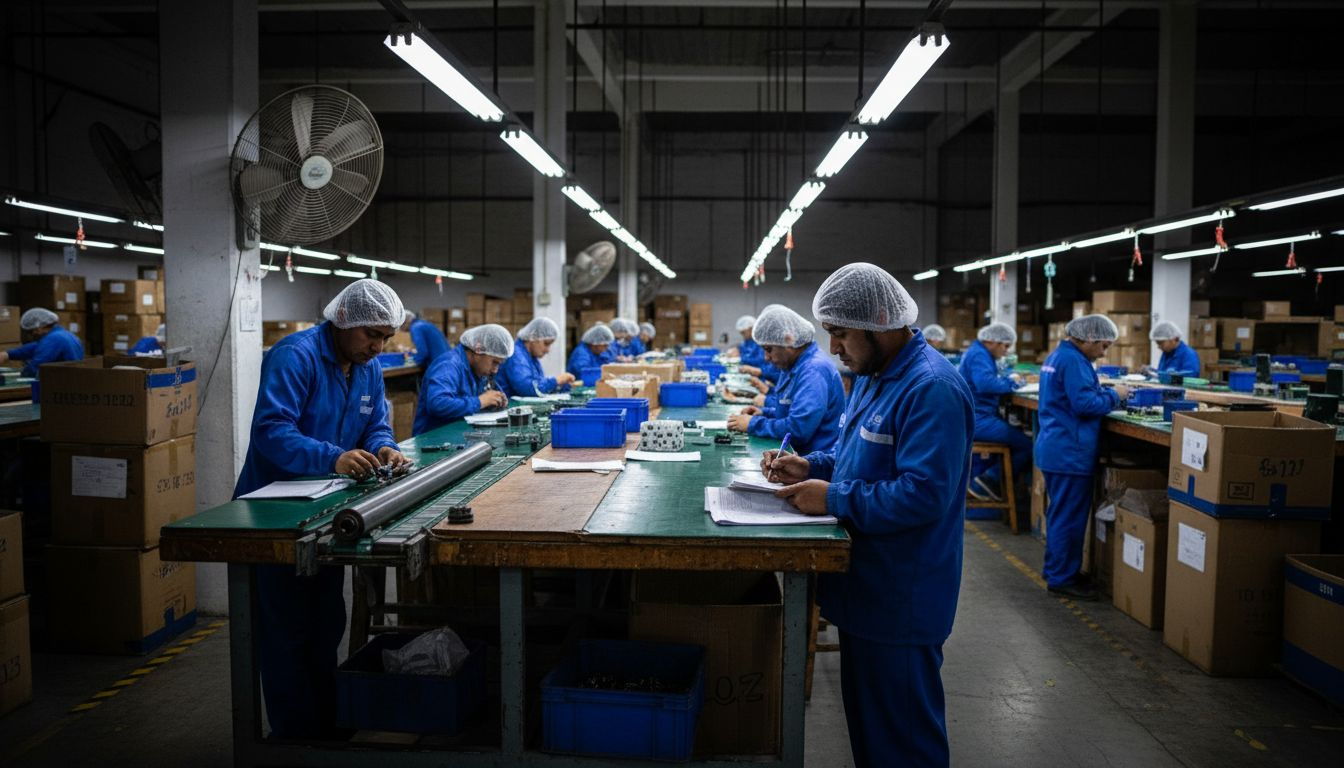
Multi-sourcing strategies distribute risk across suppliers and regions. Rather than concentrating 80% of production with a single vendor, resilient supply chains spread orders across 3-5 suppliers in different locations. When one supplier faces disruptions due to natural disasters, labor strikes, or regulatory issues, alternative sources maintain continuity.
3PL partnerships provide flexible capacity without capital investment. Maintaining your own warehousing and transportation fleet locks you into fixed costs during demand fluctuations. Third-party logistics providers scale capacity up or down based on actual needs, converting fixed costs to variable expenses.
Resilience-building tactics gaining adoption:
- Safety stock positioning in regional distribution centers
- Dual sourcing for critical components with 6-month lead times
- Contractual flexibility clauses allowing volume adjustments quarterly
- Cross-training internal teams on multiple carrier systems
- Regular supplier audits to identify capacity and compliance risks
Improving supply chain visibility becomes easier with regional sourcing. Shorter distances mean fewer handoffs between carriers, reducing opportunities for delays or miscommunication. You can visit supplier facilities within a day’s travel rather than requiring international flights.
Buffer inventory strategies have returned after years of lean inventory focus. While just-in-time delivery minimizes carrying costs, it also eliminates margin for error. Maintaining 30-60 days of safety stock for critical items provides insurance against unexpected disruptions without excessive capital tie-up.
Summary Comparison and Situational Recommendations
Each shipping mode offers distinct advantages depending on your specific requirements for cost, speed, shipment size, and urgency. Understanding these tradeoffs helps you match modes to business needs.
| Factor | Ocean Freight | Air Freight | Trucking |
|---|---|---|---|
| Cost | Lowest per unit for bulk | Highest but justified for urgency | Moderate, distance-dependent |
| Speed | 30-45 days international | 2-7 days door-to-door | 1-5 days regional |
| Capacity | Excellent for volume | Limited by aircraft space | Flexible for regional loads |
| Reliability | Port congestion risks | Weather-dependent but consistent | Labor shortage impacts |
| Sustainability | Lowest emissions per ton-mile | Highest carbon footprint | Moderate, improving with electric fleets |
| Best For | Bulk commodities, non-urgent goods | High-value, time-sensitive items | Final mile, regional distribution |
Ocean freight remains the workhorse for international shipping of bulk goods, raw materials, and non-urgent finished products. Container rates have stabilized compared to 2021-2022 peaks, making ocean economically attractive. However, port congestion at major gateways like Los Angeles, Long Beach, and Savannah continues causing unpredictable delays.
Air freight suits e-commerce, electronics, pharmaceuticals, and fashion where speed justifies premium costs. Express air service delivers components that keep production lines running when ground shipments would cause costly downtime. Peak season capacity remains tight, requiring advance booking.
Trucking dominates final-mile delivery and regional distribution within North America. The driver shortage persists despite wage increases, creating capacity constraints during peak periods. Intermodal combinations using rail for long haul and trucks for final delivery offer cost and sustainability benefits.
Mode selection guidance:
- Use ocean freight when lead times exceed 45 days and cost is paramount
- Choose air freight for shipments exceeding $50 per pound in value
- Deploy trucking for distances under 1,000 miles requiring delivery certainty
- Combine modes strategically, such as ocean to regional hub then truck to final destination
Nearshoring reduces reliance on any single mode by shortening distances. Production in Mexico allows truck-only shipping rather than ocean-plus-truck combinations, eliminating ocean transit uncertainty. AI optimization helps you select modes dynamically based on current capacity and pricing rather than static contracts.
Explore Expert Freight Forwarding & Logistics Solutions
Navigating the complexities outlined above requires experienced partners who understand evolving regulations, technology integration, and multi-modal optimization. Worldwide Express brings decades of freight forwarding expertise tailored to mid-sized businesses facing 2026’s shipping challenges.
Our comprehensive logistics services include customs brokerage, compliance support, and real-time shipment tracking across ocean, air, and ground modes. We help you implement the resilience strategies and technology platforms discussed throughout this guide.
Whether you need guidance on choosing a freight forwarder or comparing freight forwarding services, our team provides personalized consultation matching solutions to your specific supply chain requirements. We simplify complexity so you can focus on growing your business.
Frequently Asked Questions About the Future of Global Shipping
How will tariff volatility affect shipping costs in 2026?
Tariff changes can increase landed costs by 10-25% overnight, forcing continuous recalculation of total cost of ownership. Businesses should model multiple tariff scenarios and maintain supplier flexibility across regions to mitigate impact.
How can AI improve shipment tracking and logistics decisions?
AI consolidates tracking data from multiple carriers into unified dashboards, automatically alerts you to exceptions, and predicts delays before they occur. Predictive routing adjusts shipments in real time to avoid bottlenecks, reducing delays by 15-20%.
What are the main benefits of nearshoring for supply chain resilience?
Nearshoring to Mexico or Canada reduces transit times from 30-45 days to 3-7 days, lowers inventory carrying costs, and minimizes geopolitical risks. Shorter distances improve visibility and enable faster response to demand changes.
What sustainability regulations impact global shipping operations?
Carbon reporting requirements now mandate emissions tracking across transportation modes. EU regulations require importers to report supply chain carbon footprints, with similar U.S. requirements emerging. Sustainability in logistics has become a compliance issue, not just a marketing preference.
How do I choose between ocean, air, and trucking shipping modes?
Match modes to priorities: ocean for lowest cost on bulk goods with flexible timelines, air for high-value time-sensitive items, and trucking for regional delivery certainty. AI logistics insights help optimize mode selection dynamically based on current capacity and pricing.
Recommended
- How to Reduce Shipping Costs: Effective Strategies for 2025 – Worldwide Express, Inc.
- Trade War Impacts – How They Shape U.S. Logistics – Worldwide Express, Inc.
- Import Tariffs by Country: Impact on U.S. Trade – Worldwide Express, Inc.
- 6 Key Trends in International Logistics for U.S. Managers – Worldwide Express, Inc.