
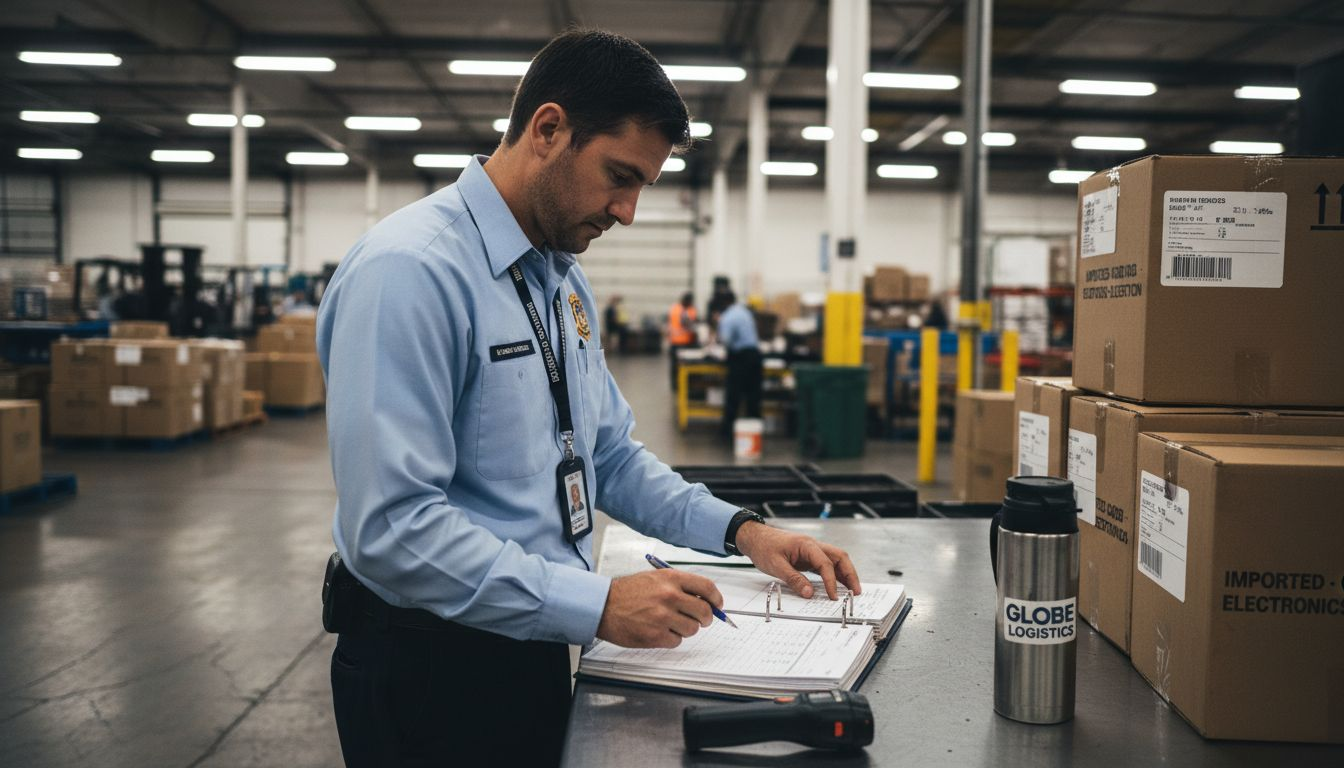
Every year, thousands of American businesses encounter delays and fines simply because a small mistake in documentation leads to customs trouble. Whether you ship electronics or agricultural products, accurate paperwork can be the difference between a cleared shipment and costly setbacks. Understanding the exact steps to comply with United States import rules helps protect your investment and keeps your goods moving smoothly. This guide breaks down the process so you avoid the most common pitfalls that catch many American importers off guard.
Table of Contents
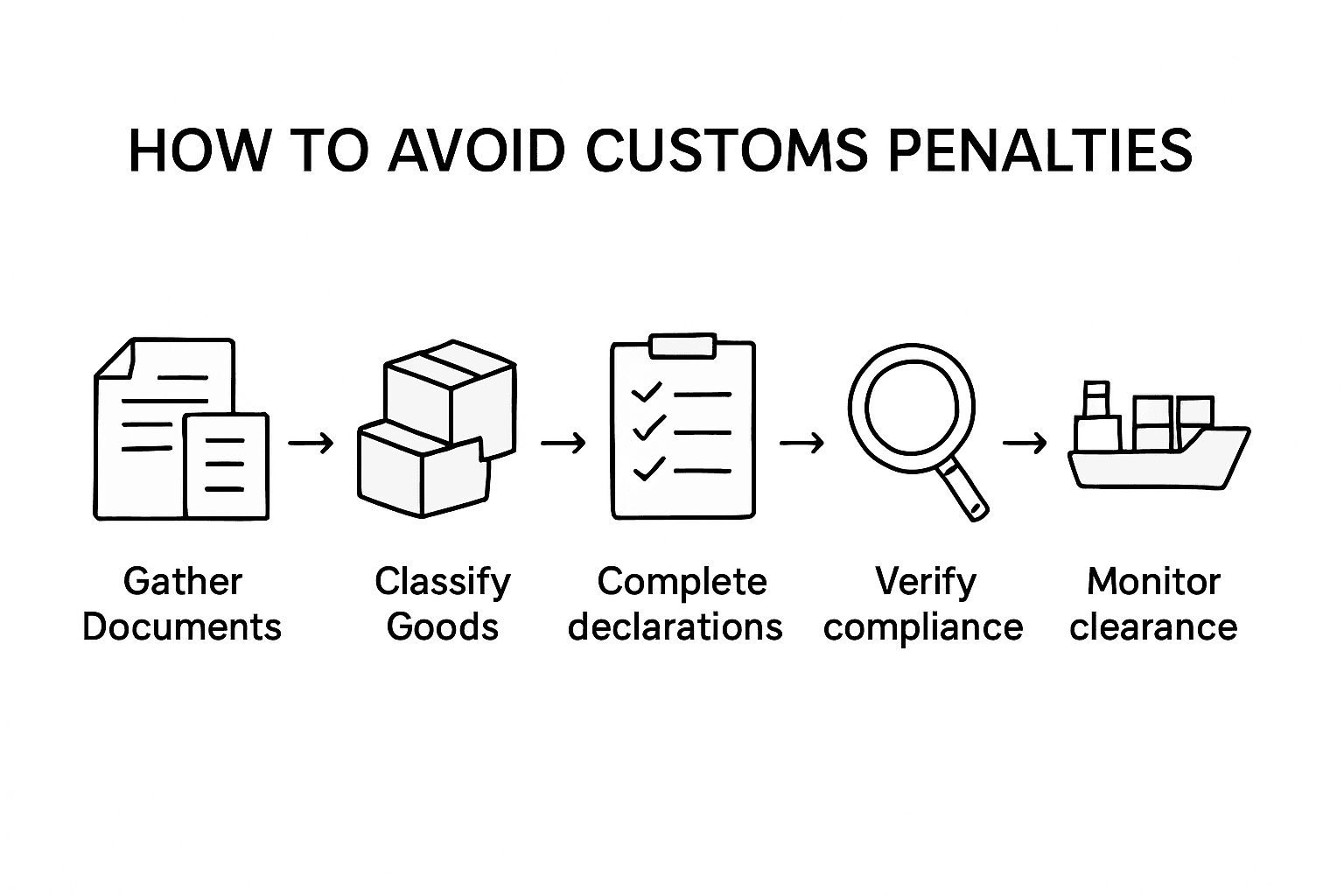
- Step 1: Gather Accurate Documentation and Essential Permits
- Step 2: Classify Goods Correctly and Determine Duty Rates
- Step 3: Complete Customs Declarations with Required Details
- Step 4: Verify Shipment Compliance Before Shipping
- Step 5: Monitor Customs Clearance and Resolve Any Issues
Quick Summary
| Insights | Explanation |
|---|---|
| 1. Gather Necessary Documentation | Collect all required import documents and permits to ensure compliance and avoid customs penalties. |
| 2. Accurately Classify Your Goods | Use the Harmonized Tariff Schedule to classify products correctly to determine duty rates and avoid penalties. |
| 3. Complete Customs Declarations Thoroughly | Ensure all customs forms are filled accurately to prevent delays, fines, or shipment rejection. |
| 4. Verify Shipment Compliance Before Shipping | Conduct a detailed compliance check on all goods to meet regulatory standards and avoid costly issues. |
| 5. Monitor Customs Clearance Process | Stay engaged with customs officials to resolve any potential issues quickly and maintain a smooth import experience. |
Step 1: Gather Accurate Documentation and Essential Permits
Documenting your shipment correctly is the critical first defense against unexpected customs penalties. You will need to collect specific paperwork that proves your cargo’s compliance with import regulations and provides complete transparency to customs officials.
Begin by identifying which documents are mandatory for your specific type of shipment. Most goods imported into the United States do not require special licensing, but certain categories like agricultural products, chemicals, electronics, and restricted items demand extra scrutiny. Contact the relevant federal agency that oversees your product type to confirm exact documentation requirements. Your documentation package should typically include a commercial invoice, packing list, certificate of origin, and any specialized permits specific to your merchandise. When filing entry documents with U.S. Customs and Border Protection, you must submit these within 15 calendar days of your shipment’s arrival.
Specifically for your entry manifest, prepare CBP Form 7533 or CBP Form 3461, which serve as your official application for merchandise entry. Attach all supporting documentation that demonstrates your legal right to import the goods, including proof of purchase, shipping manifests, and any required certifications. Double-check that every document is current, signed, and matches the details of your actual shipment precisely.
Pro Tip: Create a digital and physical backup of all your documentation. Scan and save high-quality copies in multiple secure locations, ensuring you can quickly reproduce any paperwork if original documents are lost or damaged during shipping.
Here is a quick-reference summary of essential import documents and their primary purposes:
| Document Type | Main Purpose | Relevant for Which Goods |
|---|---|---|
| Commercial Invoice | Proof of transaction and value | All imported goods |
| Packing List | Details of shipment’s contents | All shipments |
| Certificate of Origin | Verifies manufacturing country | Country-specific requirements |
| Specialized Permits | Proves regulatory compliance | Restricted goods (e.g., chemicals) |
| Entry Manifest (CBP 7533/3461) | Application for entry processing | Every formal entry |
Step 2: Classify Goods Correctly and Determine Duty Rates
Classifying your goods accurately is crucial to avoiding unexpected customs penalties and ensuring smooth international trade. You will need to navigate the complex world of tariff classification and understand how your specific products are categorized for import purposes.
The Harmonized Tariff Schedule of the United States provides a comprehensive hierarchical structure for identifying every type of traded good. This system determines not just duty rates, but also establishes quotas and statistical categories for imports. Each product falls into a specific classification code that directly impacts the amount of duty you will pay. Careful research is essential understanding the General and Additional U.S. Rules of Interpretation to pinpoint the most precise provision for your merchandise.
Determining the correct duty rate can be complex and may require expert consultation. Some importers find it beneficial to obtain a Binding Ruling from U.S. Customs and Border Protection to confirm their classification and associated duty rate before shipping. This proactive step can help you budget accurately and avoid potential reclassification penalties during customs inspection.
Pro Tip: Maintain a detailed product specification sheet for each item you import, including precise material composition, intended use, and manufacturing origin. These specifics will be crucial when navigating the intricate Harmonized Tariff Schedule classification system.
Step 3: Complete Customs Declarations with Required Details
Navigating the customs declaration process requires precision and thoroughness to prevent potential penalties and ensure smooth cargo clearance. Your goal is to provide accurate and comprehensive information about your shipment that meets all federal import requirements.

All items imported into the United States must be meticulously declared, with specific documentation submitted within 15 calendar days of your shipment’s arrival at a port of entry. You will need to complete critical forms like the Entry Manifest (CBP Form 7533) or Application and Special Permit for Immediate Delivery (CBP Form 3461). These documents must include a commercial invoice, evidence of your legal right to import the goods, and any supplementary materials that demonstrate the merchandise’s admissibility.
Customs regulations require full disclosure of all imported items, including their total value, origin, and intended use. Carefully review each section of your customs declaration to ensure absolute accuracy. Missing or incorrect information can trigger expensive penalties, additional inspections, or potential shipment delays. Pay special attention to product classifications, precise monetary values, and any applicable duty exemptions that might reduce your overall import costs.
Pro Tip: Create a comprehensive checklist for your customs declaration process that includes verification steps for each required document, helping you catch potential errors before submission.
Step 4: Verify Shipment Compliance Before Shipping
Ensuring your shipment meets all regulatory requirements is critical to preventing costly delays, penalties, and potential legal complications. Your comprehensive compliance check will serve as a protective shield against unexpected customs challenges.
Proper goods classification under the Harmonized Tariff System is fundamental to avoiding potential shipping obstacles. Meticulously review each item in your shipment to confirm its correct tariff code, which directly impacts duty rates and potential import restrictions. Incorrect classification can trigger expensive penalties, additional inspections, and significant shipping delays that could disrupt your entire supply chain.
Verifying import licenses and permits is equally crucial for seamless international shipping. Contact the relevant federal agencies responsible for regulating your specific type of merchandise to confirm you have obtained all necessary documentation. Some product categories require specialized certifications or approvals before they can legally enter the country. This proactive approach helps you identify potential compliance issues well in advance of your shipment departure, giving you time to address any regulatory requirements.
Pro Tip: Create a comprehensive compliance checklist that includes specific documentation requirements, tariff code verification steps, and contact information for regulatory agencies relevant to your specific goods.
Compare typical consequences of classification and compliance errors before shipping:
| Error Type | Potential Impact | How to Prevent |
|---|---|---|
| Misclassification | Higher duties, shipment delays | Use correct tariff codes |
| Missing Permits | Fines, legal penalties | Confirm requirements with agencies |
| Documentation Gaps | Entry rejection, delays | Double-check all required paperwork |
Step 5: Monitor Customs Clearance and Resolve Any Issues
Monitoring your shipment’s customs clearance process is crucial for preventing unexpected complications and ensuring a smooth import experience. Your active involvement can make the difference between a seamless transaction and potential costly delays.
Maintaining direct communication with U.S. Customs and Border Protection is essential throughout the clearance process. Be prepared to quickly address any questions or concerns that arise during inspection. If disputes emerge regarding duty rates or product classifications, consider requesting a Binding Ruling or consulting directly with a CBP import specialist. Prompt and professional communication can significantly expedite resolution of any potential issues.
Understanding specific duty rates and potential exemptions provides a strategic advantage during customs clearance. Review your shipment’s documentation carefully and anticipate potential areas of scrutiny. Have supporting documentation readily available to substantiate your classifications, valuations, and intended use of imported goods. This proactive approach demonstrates transparency and can help prevent unnecessary complications or additional inspections.
Pro Tip: Create a dedicated communication folder for each shipment that includes all relevant documentation, correspondence, and contact information for your customs broker and CBP representative to streamline issue resolution.
Simplify Your Import Process and Avoid Costly Customs Penalties Today
Navigating customs rules and documentation is a challenge many businesses face when shipping internationally. This guide highlights how critical accurate paperwork, correct tariff classification, and proactive communication are to prevent fines, delays, and compliance headaches. If you want to eliminate the stress of customs penalties, you need a partner who understands every step of the process and can manage the complexities on your behalf.
Worldwide Express, Inc. specializes in customs brokerage and international freight forwarding solutions designed to protect your shipments and keep your operations moving smoothly. With our expert team handling customs clearance, documentation accuracy, and compliance verification, you gain peace of mind knowing your cargo meets all federal requirements without surprises. Explore our Uncategorized Services page for insight into how we customize logistics plans for your industry and shipment type.
Take control of your imports now. Connect with Worldwide Express to streamline your customs process, avoid penalties, and keep your goods moving on time. Visit https://worldwideexpress.com to get a freight quote or start your journey toward hassle-free international shipping today.
Frequently Asked Questions
How can I gather accurate documentation for my shipment to avoid customs penalties?
To gather accurate documentation, start by identifying the mandatory paperwork for your specific type of shipment. Ensure that you include a commercial invoice, packing list, and any specialized permits. Check with relevant agencies to confirm specific requirements and keep all documents current and signed.
What are the consequences of misclassifying goods when importing?
Misclassifying goods can lead to higher duties, shipment delays, or even legal penalties. To avoid this, carefully research the Harmonized Tariff Schedule and ensure you assign the correct tariff code to your products before shipping.
How do I complete customs declarations accurately?
To complete customs declarations accurately, provide complete and truthful information about your shipment, including its total value, origin, and intended use. Double-check all forms like CBP Form 7533 or CBP Form 3461, as errors can trigger penalties or delays.
What should I verify to ensure my shipment complies with regulations before shipping?
Before shipping, verify that you have obtained all necessary licenses and permits for your goods. Consult relevant regulatory agencies to ensure compliance with additional certifications or approvals required for your specific merchandise.
How can I monitor customs clearance and resolve issues during the process?
To monitor customs clearance, maintain direct communication with U.S. Customs and Border Protection and be prepared to address any questions or issues that arise quickly. Keep supporting documentation readily available to demonstrate adherence to classification and valuation requirements during inspections.
Recommended
- How to Pay Customs Duties: A Step-by-Step Guide – Worldwide Express, Inc.
- Complete Guide to the Customs Inspection Process – Worldwide Express, Inc.
- How to Avoid Customs Delays for Smooth International Shipping – Worldwide Express, Inc.
- Master Importing Food Products: Step-by-Step US Guide – Worldwide Express, Inc.