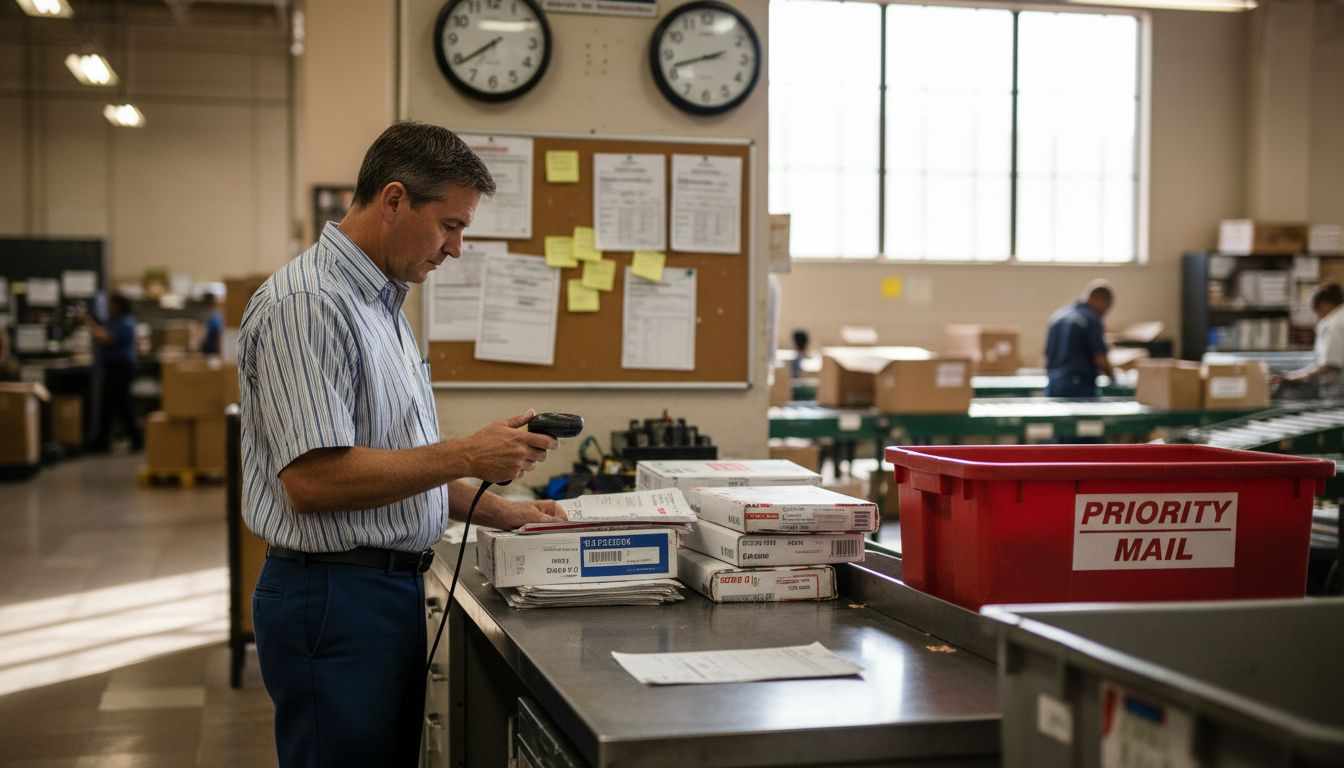

Global shipping costs have soared by more than 50 percent in recent years, catching many American businesses off guard. With efficiency now shaping profit margins, every overlooked detail within your logistics operations can erode your competitive edge. This guide reveals practical steps any American company can take to assess operations, address bottlenecks, and harness technology for smarter, faster, and more compliant global shipping performance.
Table of Contents
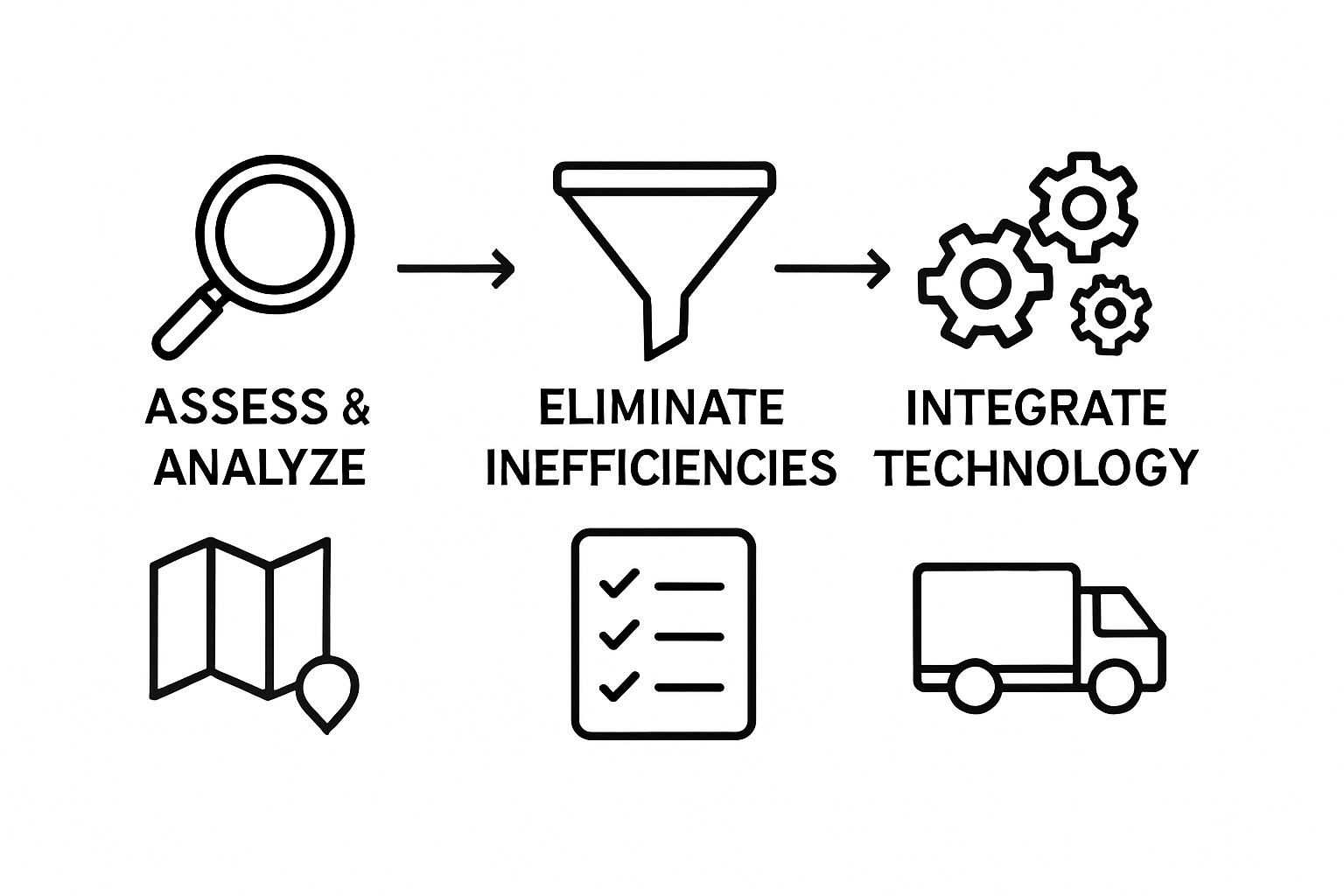
- Step 1: Assess Current Logistics Operations
- Step 2: Identify and Eliminate Inefficiencies
- Step 3: Implement Integrated Technology Solutions
- Step 4: Enhance Compliance and Documentation Processes
- Step 5: Monitor Performance and Adjust Strategies
Quick Summary
| Key Insight | Explanation |
|---|---|
| 1. Assess Your Current Logistics Operations | Analyze your existing logistics infrastructure using data and predictive analytics to identify areas for improvement and efficiency. |
| 2. Identify and Eliminate Inefficiencies | Use advanced route optimization and data analysis to find and address bottlenecks in your shipping processes. |
| 3. Implement Integrated Technology Solutions | Select and customize advanced technologies to enhance operational efficiency, ensuring they align with your unique needs. |
| 4. Enhance Compliance and Documentation | Develop standardized documentation processes and leverage AI tools to minimize errors and ensure adherence to regulations. |
| 5. Monitor Performance and Adjust Strategies | Establish dynamic monitoring systems to track key performance metrics and allow for timely strategic adjustments based on data insights. |
Step 1: Assess Current Logistics Operations
Optimizing global shipping logistics requires a strategic and comprehensive assessment of your current operational framework. This step focuses on conducting a thorough analysis of your existing logistics infrastructure to identify potential improvements and efficiency opportunities.
Begin by mapping out your entire logistics ecosystem using AI powered predictive analytics to gain precise insights into your current performance metrics. Collect detailed data across multiple dimensions including transportation routes, carrier performance, shipping costs, delivery times, and inventory management. Pay special attention to tracking key performance indicators such as fuel consumption, transportation expenses, and carbon footprint.
Analyze your current logistics network through a geographical lens. Utilize geospatial optimization techniques to evaluate the strategic placement of distribution centers and assess the efficiency of your last mile delivery routes. This approach helps identify bottlenecks and potential optimization opportunities that can significantly reduce operational costs and improve overall shipping efficiency. Look for patterns in transportation spend, route redundancies, and areas where consolidation might yield substantial savings.

A critical warning: avoid conducting this assessment in isolation. Involve cross functional teams from operations, finance, and sustainability departments to ensure a holistic perspective. Their collective insights will provide a more nuanced understanding of your logistics challenges and potential improvement strategies.
Step 2: Identify and Eliminate Inefficiencies
Streamlining global shipping operations demands a precise and systematic approach to identifying and eliminating logistical bottlenecks. This step focuses on uncovering hidden inefficiencies that drain resources and compromise overall performance.
Advanced route optimization techniques provide a powerful framework for diagnosing operational challenges. Begin by conducting a granular analysis of your transportation processes, examining each stage from order placement to final delivery. Look for time consuming handoffs, redundant communication channels, and unnecessary routing complexities that slow down your shipping ecosystem. Leverage data analytics tools to track metrics such as transit times, carrier performance, and resource allocation.
Comprehensive performance visibility strategies can help pinpoint specific areas requiring improvement. Focus particularly on last mile delivery operations where most logistical friction occurs. This might involve reassessing your distribution center locations, optimizing loading processes, or implementing more sophisticated tracking technologies. Pay special attention to factors like vehicle utilization, fuel consumption, and delivery route planning.
A critical warning emerges from this analysis critical warning: do not rely solely on technology. Human expertise remains crucial in interpreting data and making strategic decisions. Encourage collaboration between your data analysts, operations managers, and frontline logistics personnel to develop a holistic understanding of potential inefficiencies. Their combined insights will provide nuanced recommendations that automated systems might overlook.
Step 3: Implement Integrated Technology Solutions
Transforming your global shipping logistics requires a strategic approach to integrating cutting edge technological solutions. This step focuses on selecting and implementing advanced technologies that can dramatically improve operational efficiency and decision making capabilities.
AI powered predictive analytics offer a revolutionary framework for modernizing your logistics infrastructure. Begin by evaluating your current technological ecosystem and identifying key areas where advanced software and machine learning can provide meaningful improvements. Prioritize solutions that offer real time tracking, predictive demand forecasting, and intelligent route optimization. Look for platforms that can seamlessly integrate multiple data sources including transportation management systems, warehouse inventory tracking, and carrier performance metrics.
Advanced route optimization technologies provide critical capabilities for enhancing operational performance. Focus on implementing solutions that utilize sophisticated machine learning algorithms to analyze historical transportation data and generate more efficient routing strategies. These technologies can help reduce fuel consumption, minimize transportation times, and optimize resource allocation across your entire logistics network. Pay special attention to systems that offer dynamic routing capabilities, allowing for real time adjustments based on changing market conditions and logistical challenges.
A critical warning emerges during technology implementation: avoid a one size fits all approach. Technology integration requires careful customization to match your specific operational needs. Engage with your team to understand their unique workflow requirements and select solutions that provide intuitive interfaces and seamless integration with existing systems. Consider running pilot programs to test new technologies before full scale deployment and maintain flexibility in your technological strategy.
Step 4: Enhance Compliance and Documentation Processes
Streamlining global shipping documentation requires a meticulous and strategic approach to managing complex regulatory requirements. This step focuses on developing robust systems that ensure seamless compliance and minimize potential legal and financial risks associated with international shipping.
Strategic procurement frameworks provide critical insights into creating comprehensive documentation processes. Begin by developing a standardized documentation workflow that integrates multiple compliance checkpoints across your logistics operations. This approach should include detailed verification processes for shipping manifests, customs declarations, export licenses, and international trade certificates. Implement a centralized documentation management system that allows real time tracking and validation of all critical shipping paperwork.
AI powered compliance technologies offer innovative solutions for reducing documentation errors and streamlining regulatory adherence. Leverage machine learning algorithms to automatically cross reference shipping documents against current international trade regulations. These advanced systems can help identify potential compliance issues before shipments are processed, reducing the risk of costly delays or regulatory penalties. Focus on technologies that provide automated document verification, risk assessment, and intelligent flagging of potential documentation discrepancies.
A critical warning emerges in documentation management: never compromise accuracy for speed. While technological solutions can dramatically improve efficiency, human oversight remains essential. Establish a multi tiered review process that combines automated checks with expert human verification. Train your team to understand the nuanced regulatory requirements of different international shipping routes and maintain a culture of continuous learning and compliance awareness.
Step 5: Monitor Performance and Adjust Strategies
Successful global shipping logistics demand continuous performance evaluation and strategic refinement. This step focuses on developing a dynamic monitoring system that allows for real time insights and proactive strategy adjustments across your entire logistics network.
Last mile delivery performance analysis provides a critical framework for understanding operational effectiveness. Establish a comprehensive performance tracking dashboard that captures key metrics including delivery times, transportation costs, fuel efficiency, carrier performance, and customer satisfaction rates. Implement automated reporting systems that generate weekly and monthly performance summaries, enabling your team to quickly identify trends, potential bottlenecks, and areas requiring immediate attention.
Advanced route optimization technologies offer sophisticated approaches to performance monitoring and strategic adjustment. Utilize machine learning algorithms that can dynamically analyze historical transportation data and provide predictive insights into potential operational improvements. These intelligent systems can help you identify subtle inefficiencies, recommend route modifications, and suggest resource allocation strategies that might not be immediately apparent through traditional analysis methods.
A critical warning emerges in performance monitoring: avoid analysis paralysis. While data is crucial, it should inform action rather than create endless deliberation. Establish clear decision making protocols that allow your team to quickly translate performance insights into strategic adjustments. Create a culture of continuous improvement where data driven recommendations are promptly evaluated and implemented, ensuring your logistics operations remain agile and responsive to changing market conditions.
Unlock Seamless Global Shipping with Expert Logistics Solutions
Optimizing logistics for efficient global shipping starts with tackling complex challenges like route inefficiencies, compliance hurdles, and fragmented documentation. These obstacles can drain resources and delay deliveries, ultimately impacting customer satisfaction and your bottom line. Worldwide Express, Inc. understands these critical pain points and offers tailored services designed to enhance route optimization, ensure compliance accuracy, and integrate advanced tracking technology for real-time visibility.
Discover how our comprehensive international shipping solutions can transform your logistics operations today. Visit our Uncategorized Services to explore innovations that address critical logistics inefficiencies. Partner with a trusted provider who brings decades of global expertise and personalized support. Take the first step toward streamlined, cost-effective shipping by connecting with us now at Worldwide Express, Inc.. Your optimized logistics strategy starts here.
Frequently Asked Questions
How can I assess my current logistics operations effectively?
To assess your current logistics operations, map out your entire logistics ecosystem and collect detailed data on transportation routes, shipping costs, and delivery times. Use AI-powered predictive analytics to identify performance metrics and optimize your infrastructure within the next 30 days.
What steps should I take to identify and eliminate inefficiencies in my logistics?
Begin by conducting a thorough analysis of your transportation processes to uncover bottlenecks and redundancies. Focus on optimizing last mile delivery operations and adjust your logistics strategies to aim for at least a 20% reduction in transit times within 60 days.
How can I integrate technology solutions into my logistics operations?
Select advanced technologies like AI-powered analytics and dynamic route optimization tools to improve operational efficiency. Prioritize implementing systems that seamlessly integrate with existing infrastructure, and consider running pilot programs to test effectiveness before full deployment.
What processes should I follow to enhance compliance and documentation in shipping?
Develop standardized documentation workflows, incorporating multiple compliance checkpoints for all shipping paperwork. Implement a centralized documentation management system to ensure accuracy, and aim for a reduction in documentation errors by over 30% within the first quarter.
How can I monitor performance and adjust strategies effectively in logistics operations?
Create a comprehensive performance tracking dashboard that captures key metrics like delivery times and customer satisfaction rates. Establish automated reporting systems to quickly identify trends, and make adjustments that enhance operational efficiency within 30 days.
Recommended
- How to Reduce Shipping Costs: Effective Strategies for 2025 – Worldwide Express, Inc.
- Understanding Sustainability in Logistics: Key Insights – Worldwide Express, Inc.
- 7 Key Steps Every International Freight Forwarder Should Know – Worldwide Express, Inc.
- Freight Consolidation Strategies: Complete Guide – Worldwide Express, Inc.
- Waarom Internationale Verzending Onmisbaar Is Voor Bedrijven