

Navigating ocean freight forwarding can feel overwhelming for import/export managers juggling tight deadlines, complex documentation, and unpredictable delays. One missed step in customs clearance or a poorly chosen freight forwarder can cost thousands in demurrage fees and disrupt your entire supply chain. This guide breaks down the essential ocean freight forwarding steps into a clear, actionable framework. You’ll learn how to prepare shipments, execute the process efficiently, verify compliance, and avoid common pitfalls that derail international shipping operations.
Table of Contents
- Key takeaways
- Preparing for ocean freight forwarding: prerequisites and planning
- Step-by-step execution of ocean freight forwarding process
- Verification and clearing customs: ensuring compliance and delivery
- Common mistakes and pro tips for smooth ocean freight forwarding
- Streamline your ocean freight forwarding with expert services
- FAQ
Key Takeaways
| Point | Details |
|---|---|
| Early preparation matters | Thorough planning before cargo reaches port reduces downstream delays and demurrage by ensuring correct documentation, mode choice, and carrier selection. |
| Complete documentation | A full set of commercial invoice, packing list, bill of lading, and origin or compliance certificates prevents customs holds and delivery delays. |
| Choose right forwarder | Select a freight forwarder with industry experience, trade lane expertise, strong technology, and responsive support to navigate regulations and avoid service gaps. |
| Incoterms clarity | Understanding terms such as FOB and CIF clarifies who pays costs and who bears risk, preventing disputes over demurrage and delivery responsibilities. |
| Master checklists per trade lane | Create a reusable master checklist for each trade lane that lists country requirements, typical transit times, and contact details to save time during rush shipments. |
Preparing for ocean freight forwarding: prerequisites and planning
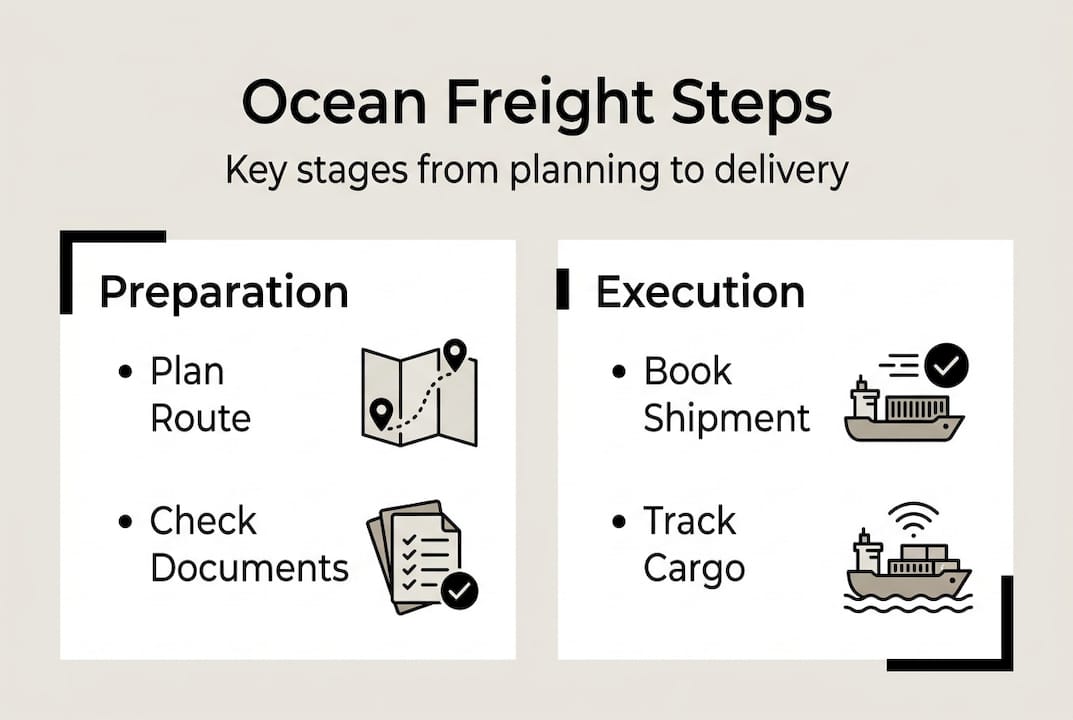
Successful ocean freight forwarding starts long before your cargo reaches the port. You need a solid foundation of preparation to avoid costly mistakes downstream.
First, determine whether your shipment requires Full Container Load (FCL) or Less than Container Load (LCL) service. FCL works best when you have enough cargo to fill an entire container, offering faster transit and reduced handling. LCL suits smaller shipments that share container space with other consignees, though it involves longer processing times at consolidation warehouses.
Next, gather your essential documentation package. You’ll need a commercial invoice detailing the transaction value, a packing list describing contents and weights, a bill of lading serving as your cargo receipt and contract, and any required certificates of origin or compliance documents. Missing or inaccurate paperwork triggers customs holds that can extend delivery by weeks.
Selecting the right freight forwarder makes or breaks your shipping experience. Understanding the role of a freight forwarder helps you evaluate partners based on their trade lane expertise, technology capabilities, and customer support responsiveness. Look for forwarders with proven experience in your industry who can navigate regulatory requirements specific to your products.
Incoterms clarify who pays for what and when risk transfers between buyer and seller. Common ocean freight terms include FOB (Free on Board), where the seller delivers goods to the vessel and the buyer assumes costs and risks thereafter, and CIF (Cost, Insurance, and Freight), where the seller covers ocean freight and insurance to the destination port. Misunderstanding these terms creates disputes over demurrage charges and delivery responsibilities.
For shipments entering the United States, prepare early for customs brokerage requirements. You’ll need to designate a customs broker, provide Harmonized Tariff Schedule codes for duty calculation, and ensure compliance with agencies like the FDA or USDA if your products require special clearances.
Pro Tip: Create a master checklist template for each trade lane you use regularly. Include country-specific documentation requirements, typical transit times, and contact information for your freight forwarder and customs broker. This template saves hours during rush shipments and reduces errors.
Step-by-step execution of ocean freight forwarding process
Once your preparation is complete, the execution phase demands precision and timing. Each step builds on the previous one, so mistakes compound quickly.
Start by booking your shipment with your chosen freight forwarder at least two weeks before your desired sailing date. Provide complete cargo details including dimensions, weight, commodity description, and any special handling requirements like temperature control or hazardous materials classification. Your forwarder will secure space on a vessel and provide a booking confirmation with the sailing schedule.
If you’re shipping LCL, your cargo enters a consolidation process where the forwarder combines multiple shipments into shared containers. Freight consolidation strategies reduce per-unit costs significantly, but add 3-5 days to your timeline as cargo waits at the consolidation warehouse. Request visibility into the consolidation schedule to manage your inventory planning.
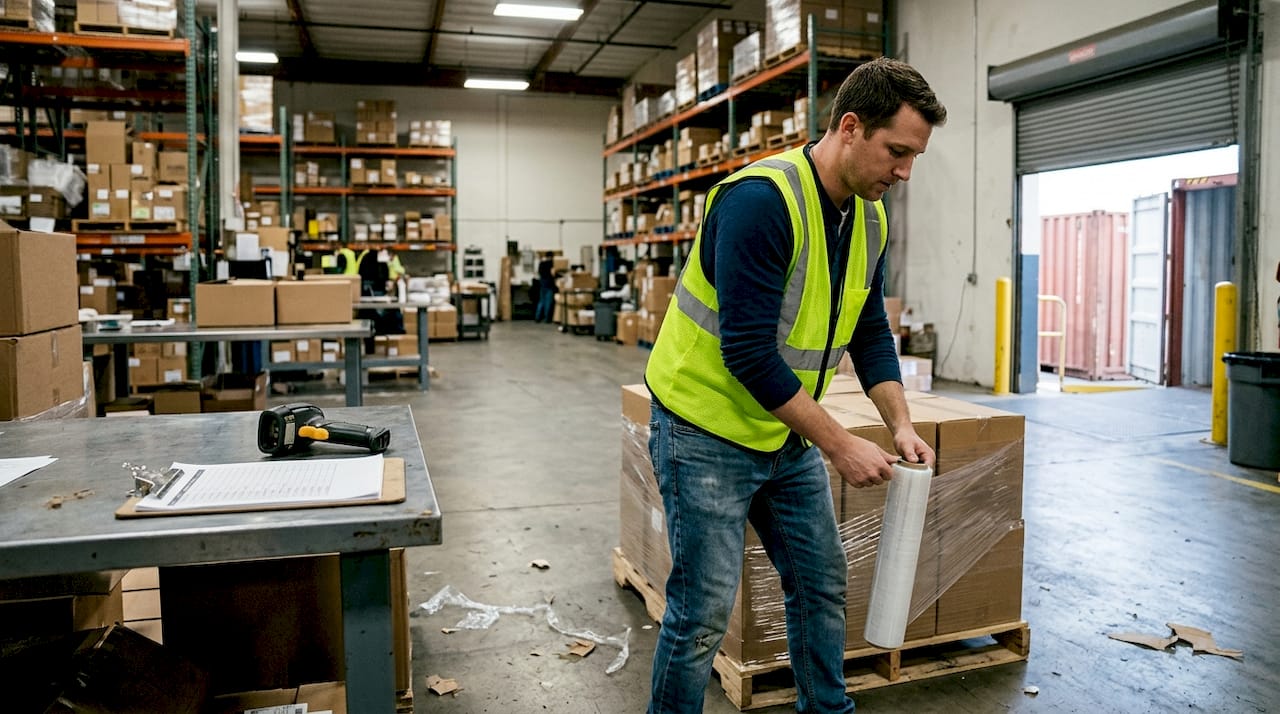
Proper packing protects your goods during the ocean voyage and subsequent handling. Use pallets rated for international shipping, secure cargo with industrial stretch wrap or banding, and apply waterproof labels showing shipper, consignee, port of discharge, and container number. Poor packing leads to damage claims that insurers often deny due to inadequate protection.
Submit your export documentation package to both your freight forwarder and the carrier. This includes the Shipper’s Letter of Instruction authorizing the forwarder to act on your behalf, the commercial invoice and packing list, and any required export licenses. In the United States, shipments over $2,500 require Electronic Export Information filing through the Automated Export System.
Track your container through the loading process at the origin port. Verify that the container seal number matches your booking documentation, as discrepancies indicate potential tampering or cargo substitution. Request a copy of the dock receipt confirming your cargo was loaded aboard the specific vessel named in your booking. Once the vessel departs, obtain the ocean bill of lading, which serves as your title document for claiming the cargo at destination.
Pro Tip: Take photos of your cargo before container loading and request photos from your forwarder showing the loaded container interior. This documentation proves cargo condition and proper loading if damage claims arise during transit or delivery.
Verification and clearing customs: ensuring compliance and delivery
The verification phase begins as your vessel approaches the destination port and continues through final delivery. This stage requires close coordination with multiple parties.
Monitor vessel arrival using your freight forwarder’s tracking system or the carrier’s online portal. Most ocean carriers provide real-time updates showing vessel position, estimated arrival time, and any schedule changes due to weather or port congestion. Contact your forwarder immediately if arrival dates shift, as this affects your customs clearance timeline and delivery scheduling.
Prepare your customs entry documentation before vessel arrival to avoid delays. Efficient US customs brokerage services handle the complex filing requirements, including the CBP Form 3461 entry summary, duty payment, and coordination with partner government agencies. Provide your customs broker with the commercial invoice, packing list, bill of lading, and arrival notice at least 48 hours before the vessel docks.
Customs clearance typically takes 1-3 business days for routine shipments, but inspections or documentation issues extend this significantly. Your customs broker monitors the entry status and alerts you to any holds or examination requests. Common triggers include first-time importers, high-value shipments, products requiring FDA or USDA approval, and random compliance checks.
| Clearance Scenario | Typical Timeline | Action Required |
|---|---|---|
| Standard release | 1-2 days | None, automated |
| Document review | 2-3 days | Provide additional paperwork |
| Physical exam | 5-7 days | Pay exam fees, await inspection |
| Agency hold | 7-14 days | Submit compliance certificates |
Once customs releases your cargo, arrange inland transportation to your facility. Coordinate pickup timing with the port to avoid per diem charges that accrue when containers remain at the terminal beyond the free time period, usually 3-5 days. If you’re using port drayage, confirm the trucker has the correct delivery address, appointment requirements, and any special access instructions.
Perform a thorough inspection when your cargo arrives. Check container seal integrity, verify carton counts against the packing list, and examine products for damage. Note any discrepancies on the delivery receipt before signing, as this documentation supports insurance claims. Conduct a post-shipment audit comparing actual costs against quoted rates to identify billing errors or unexpected charges.
Common mistakes and pro tips for smooth ocean freight forwarding
Even experienced import/export managers encounter obstacles that disrupt ocean freight forwarding. Learning from common errors helps you build more resilient shipping operations.
Incomplete or inaccurate documentation remains the leading cause of customs delays. A single mismatched invoice value or missing certificate can trigger holds lasting weeks. Double-check that product descriptions match your Harmonized Tariff codes, invoice values align with your purchase order, and all required signatures appear on original documents. Many countries now accept electronic documents, but some still require original bills of lading for cargo release.
Underestimating transit times creates unrealistic delivery expectations. Ocean freight transit from Asia to the US West Coast averages 14-18 days, plus 5-7 days for customs clearance and inland delivery. Add buffer time for potential delays like port congestion, weather, or equipment shortages. Building a 10-15% time cushion into your supply chain planning prevents stockouts when shipments run late.
Poor communication with freight forwarders and customs brokers leaves you blind to developing issues. Establish regular check-in schedules, especially during the customs clearance phase when problems require immediate attention. Request proactive alerts for milestone events like vessel departure, arrival, customs release, and delivery scheduling.
Cargo tracking benefits extend beyond simple location updates. Modern tracking platforms provide predictive analytics showing potential delays before they occur, automated exception alerts when shipments deviate from plan, and integration with your inventory management system for automatic stock updates. This visibility enables proactive problem solving rather than reactive crisis management.
Incoterms confusion generates disputes over who pays demurrage, detention, and delivery charges. Under FOB terms, the buyer owns these costs after the cargo crosses the ship’s rail at origin. Under DDP (Delivered Duty Paid), the seller covers everything including destination customs duties and delivery. Document your Incoterms clearly in purchase orders and shipping instructions to prevent finger-pointing when unexpected charges appear.
Pro Tip: Build relationships with multiple freight forwarders rather than relying on a single provider. This diversification gives you negotiating leverage on rates, backup options when capacity tightens during peak seasons, and access to different carrier networks for various trade lanes.
“The most successful importers treat their freight forwarder as a strategic partner, not just a service provider. Regular communication, clear expectations, and collaborative problem-solving create shipping operations that withstand disruption and deliver consistent results.”
Streamline your ocean freight forwarding with expert services
Managing ocean freight forwarding in-house demands expertise across documentation, compliance, carrier relationships, and customs regulations. Worldwide Express simplifies this complexity with comprehensive solutions tailored to your business needs.
Our US customs brokerage services ensure your shipments clear efficiently while maintaining full regulatory compliance. We handle entry filings, duty calculations, agency coordination, and issue resolution so you can focus on your core business operations.
When choosing a freight forwarder, partner with a team that understands your industry’s unique challenges. Our ocean transportation services provide end-to-end visibility, competitive rates across major trade lanes, and dedicated support from booking through final delivery. Whether you ship FCL or LCL, our global network and technology platform optimize every step of your international logistics.
FAQ
What documents are essential for ocean freight forwarding?
The core documents include a commercial invoice showing transaction details, a packing list describing contents and weights, a bill of lading serving as your cargo receipt and title document, and certificates of origin when required by trade agreements. Additional documents like inspection certificates, phytosanitary certificates, or import licenses depend on your product type and destination country regulations. Prepare complete, accurate documentation before cargo pickup to avoid customs delays.
How do I select the right freight forwarder for my shipment?
Evaluate freight forwarders based on their experience with your specific trade lanes, technology capabilities for tracking and communication, financial stability, and customer service responsiveness. Check industry certifications like FMC licensing for ocean freight and verify their carrier relationships ensure space availability during peak seasons. Choosing a freight forwarder requires assessing both their operational capabilities and cultural fit with your business communication style. Request references from clients shipping similar products to gauge their performance reliability.
What are common delays in ocean freight forwarding and how to avoid them?
Delays typically stem from incomplete documentation causing customs holds, port congestion during peak shipping seasons, equipment shortages preventing timely container pickup, and poor communication leaving issues unaddressed. Prevent these problems by submitting complete documentation 48 hours before vessel arrival, building buffer time into your shipping schedules, maintaining proactive communication with your freight forwarder, and using real-time tracking tools to identify potential issues early. Establish backup plans for critical shipments, including alternative carriers or expedited air freight options when ocean delays threaten your operations.
How long does ocean freight forwarding typically take?
Ocean transit times vary by trade lane, with Asia to US West Coast averaging 14-18 days, Asia to US East Coast requiring 25-30 days, and Europe to US East Coast taking 10-14 days. Add 5-7 days for customs clearance and inland delivery to calculate total door-to-door timeline. LCL shipments add 3-5 days for consolidation at origin and deconsolidation at destination. Factor in an additional 10-15% buffer for potential delays from weather, port congestion, or customs inspections when planning your inventory needs.
Recommended
- Understanding freight forwarding: a 2026 guide – Worldwide Express, Inc.
- How to Choose a Freight Forwarder for Smooth Shipping – Worldwide Express, Inc.
- Master International Freight Shipping for Successful Trade – Worldwide Express, Inc.
- 7 Key Steps Every International Freight Forwarder Should Know – Worldwide Express, Inc.