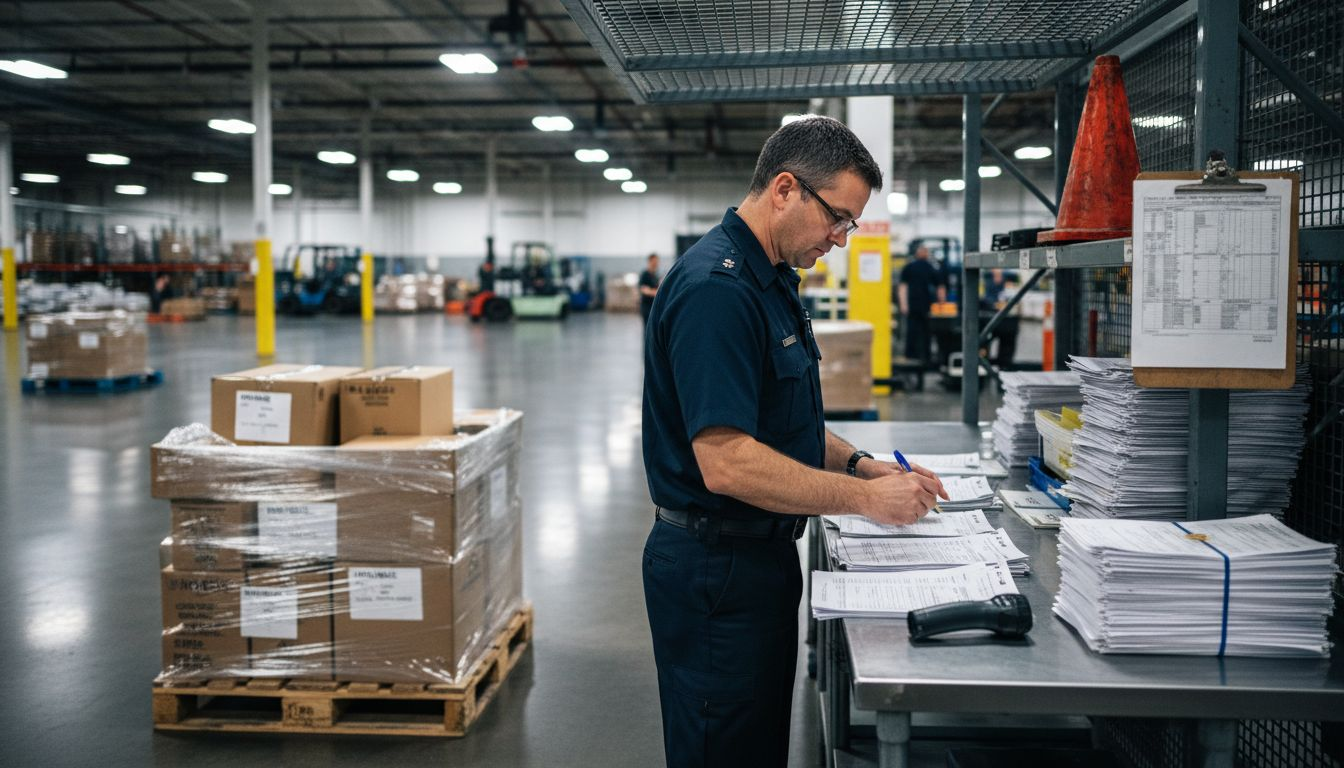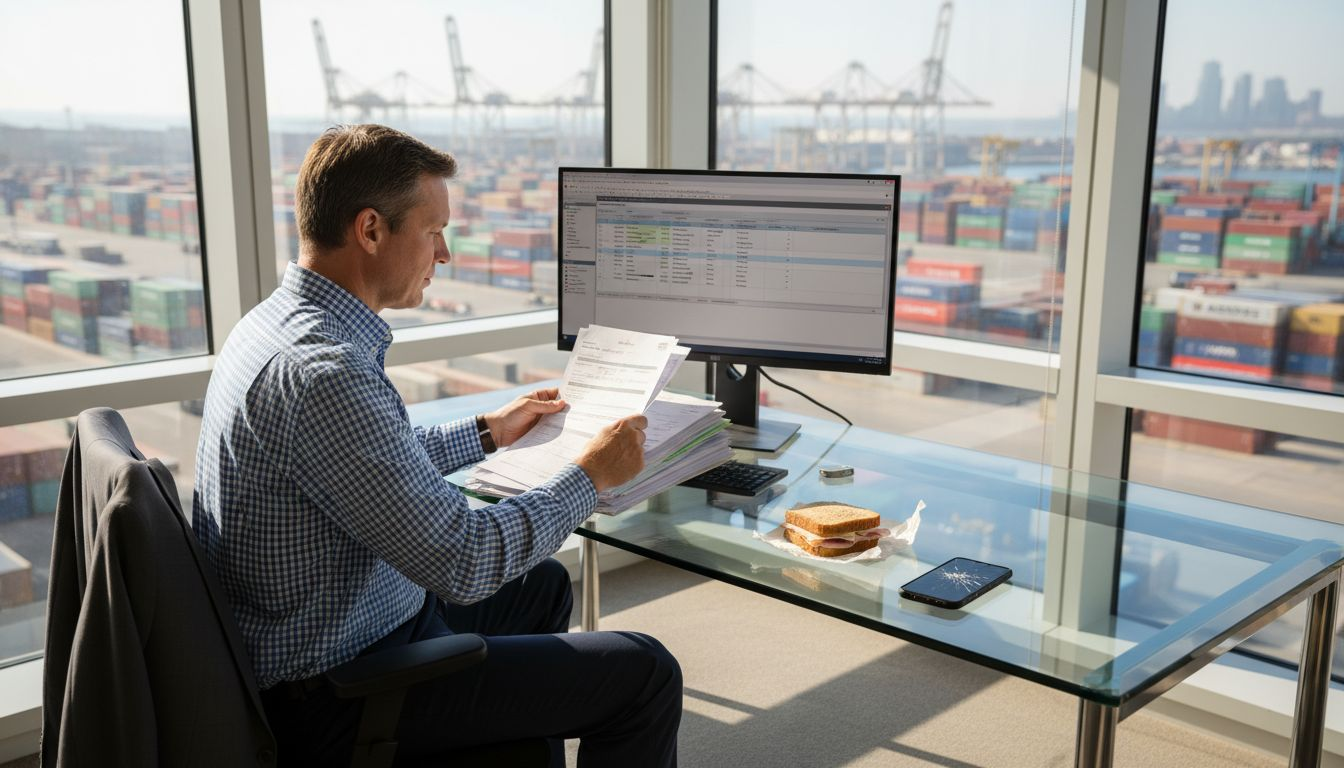

More than 60 percent of American logistics teams now operate with members scattered across different cities and time zones. For logistics managers, this shift means navigating unique challenges that traditional workplace models rarely address. If you are seeking reliable strategies to manage performance, communication, and compliance remotely, this resource brings you practical solutions and proven tools designed to help American import and export operations run smoothly—no matter where your team is located.
Table of Contents
- Defining Remote Team Management In Logistics
- Key Technologies Powering Remote Teams
- Best Practices For Communication And Collaboration
- Tracking Performance Across Geographies
- Ensuring Compliance And Data Security
Key Takeaways
| Point | Details |
|---|---|
| Effective Remote Management | Utilize digital technologies to facilitate seamless coordination among geographically dispersed logistics teams. |
| Technological Infrastructure | Invest in advanced digital solutions, such as cloud-based platforms and AI tools, to enhance collaboration and performance tracking. |
| Communication Strategies | Establish clear communication protocols and create a trust-based culture to improve team connectivity despite physical distances. |
| Performance Tracking | Implement standardized performance metrics and data-driven strategies to ensure fair evaluation across diverse geographic contexts. |
Defining Remote Team Management in Logistics
Remote team management in logistics represents a strategic approach to coordinating geographically dispersed professionals who collaborate to execute complex shipping, transportation, and supply chain operations. Unlike traditional workplace models, this management strategy leverages digital technologies and communication platforms to enable seamless coordination across different locations, time zones, and operational contexts.
At its core, remote team management involves creating systematic processes that facilitate effective communication, performance tracking, and collaborative workflows without physical co-location. In the logistics sector, this means enabling freight coordinators, customs brokers, shipping specialists, and warehouse managers to work effectively while distributed across multiple regions. Effective virtual team management requires understanding unique communication dynamics that go beyond traditional in-person supervision techniques.
Successful remote logistics teams typically incorporate specialized digital tools for real-time tracking, collaborative documentation, performance monitoring, and secure information exchange. These tools might include cloud-based project management platforms, integrated communication systems, shared document repositories, and advanced logistics tracking software that allows team members to maintain transparency and accountability regardless of physical location.
Key characteristics of effective remote logistics team management include establishing clear performance metrics, creating robust communication protocols, implementing reliable technological infrastructure, and developing a culture of trust and mutual accountability. Leaders must balance technological solutions with human-centered management approaches that recognize individual team members’ unique working contexts and professional development needs.
Pro tip: Invest in comprehensive onboarding processes that explicitly outline remote work expectations, communication standards, and performance measurement criteria for each team member.
Key Technologies Powering Remote Teams
Remote logistics teams rely on a sophisticated ecosystem of digital technologies that enable seamless collaboration, real-time communication, and efficient operational management across geographic boundaries. Advanced technological infrastructure has become fundamental to maintaining productivity and coordination in distributed work environments, particularly in complex logistics operations that demand precise tracking and instantaneous information sharing.
The core technological toolkit for remote logistics teams typically encompasses several critical categories of digital solutions. Cloud-based platforms serve as the central nervous system, providing shared document repositories, project management tools, and collaborative workspaces. Communication technologies like video conferencing, instant messaging, and team collaboration software enable real-time interactions, while logistics-specific tracking systems offer granular visibility into shipping processes, inventory movements, and supply chain dynamics.

Open-source and interoperable software solutions are increasingly becoming game-changers in remote team technology. Collaborative development platforms from organizations like the Open Logistics Foundation are creating standardized technological frameworks that allow logistics teams to integrate multiple systems seamlessly. These platforms support API connections, enabling different software tools to communicate efficiently and providing a unified technological ecosystem that transcends traditional software limitations.
Data security and access management represent another critical technological dimension for remote logistics teams. Advanced authentication protocols, encrypted communication channels, and role-based access controls ensure that sensitive shipping and transportation information remains protected while enabling team members to access necessary resources from diverse geographic locations. Artificial intelligence and machine learning technologies are also emerging as powerful tools for predictive analytics, helping remote teams anticipate logistical challenges and optimize operational workflows.
Here’s a quick comparison of key digital technologies enhancing remote logistics team performance:
| Technology Type | Main Functionality | Business Impact |
|---|---|---|
| Cloud-based Platforms | Shared data and workspaces | Improves transparency, reduces error |
| Communication Tools | Video and instant messaging | Enables fast decision-making |
| Tracking Systems | Real-time logistics visibility | Reduces delays and improves accuracy |
| AI and Machine Learning | Predictive analytics | Optimizes routes and resource use |
Pro tip: Conduct a quarterly technology audit to ensure your remote team’s digital tools remain current, integrated, and aligned with evolving operational requirements.
Best Practices for Communication and Collaboration
Effective communication and collaboration represent the cornerstone of successful remote logistics team management, requiring intentional strategies that bridge physical distances and create cohesive operational environments. Managers must develop structured approaches to team interaction that balance synchronous communication with periods of focused individual work, ensuring both team connectivity and individual productivity.
Strategic communication practices involve defining clear team purposes, clarifying individual roles, and establishing consistent interaction protocols. Communication channels should be deliberately selected to match specific team needs, incorporating a mix of real-time video conferences, asynchronous messaging platforms, and collaborative document sharing systems. Logistics teams benefit from creating standardized communication frameworks that specify expected response times, preferred communication platforms for different types of interactions, and guidelines for maintaining professional discourse in digital environments.
Trust-building becomes paramount in remote logistics teams, requiring managers to foster transparency, consistent feedback, and equitable participation opportunities. This involves creating structured opportunities for team members to share professional updates, discuss challenges, and collaborate on problem-solving. Regular virtual team meetings, informal digital coffee breaks, and collaborative project management tools can help simulate the spontaneous interactions typically found in physical workplace environments. Advanced teams often implement rotating leadership models and cross-functional collaboration strategies that allow team members to develop broader perspectives and deeper interdepartmental understanding.
Technological infrastructure plays a critical role in supporting communication effectiveness. Logistics leaders should invest in robust communication platforms that offer secure, reliable, and feature-rich environments for team interaction. These platforms should support multiple communication modalities, including video conferencing, instant messaging, file sharing, and project tracking, while maintaining stringent data security and access management protocols.
Summary of essential best practices for remote logistics team collaboration:
| Practice | Purpose | Benefit |
|---|---|---|
| Role Clarification | Defines responsibilities | Minimizes confusion |
| Standardized Protocols | Sets communication standards | Ensures consistency |
| Rotating Leadership | Broadens perspectives | Fosters cross-team cooperation |
| Tech Investments | Enhances interaction | Supports secure collaboration |
Pro tip: Implement a quarterly communication audit to assess and refine your remote team’s interaction strategies, ensuring continuous adaptation to evolving technological and operational landscapes.
Tracking Performance Across Geographies
Comprehensive performance tracking becomes critical when managing remote logistics teams operating across multiple geographic regions, requiring sophisticated approaches that transcend traditional in-person monitoring techniques. Modern logistics leaders must develop nuanced, data-driven strategies that capture performance metrics objectively while respecting the unique challenges of distributed operational environments.
Performance measurement in remote logistics teams requires a multidimensional approach that integrates quantitative and qualitative evaluation methods. Advanced analytics and integrated monitoring systems play a crucial role in providing comprehensive visibility into team performance, enabling managers to assess productivity, efficiency, and quality across different geographic contexts. Key performance indicators typically include shipment accuracy, response times, customer satisfaction ratings, compliance adherence, and individual contribution metrics.
Technological infrastructure serves as the backbone of effective performance tracking, with sophisticated digital platforms enabling real-time data collection and analysis. These systems should incorporate automated reporting mechanisms, customizable dashboards, and predictive analytics tools that can identify performance trends, potential bottlenecks, and opportunities for operational optimization. Successful implementation involves creating standardized measurement protocols that allow fair and consistent evaluation across different regional teams, accounting for local operational nuances and regulatory environments.
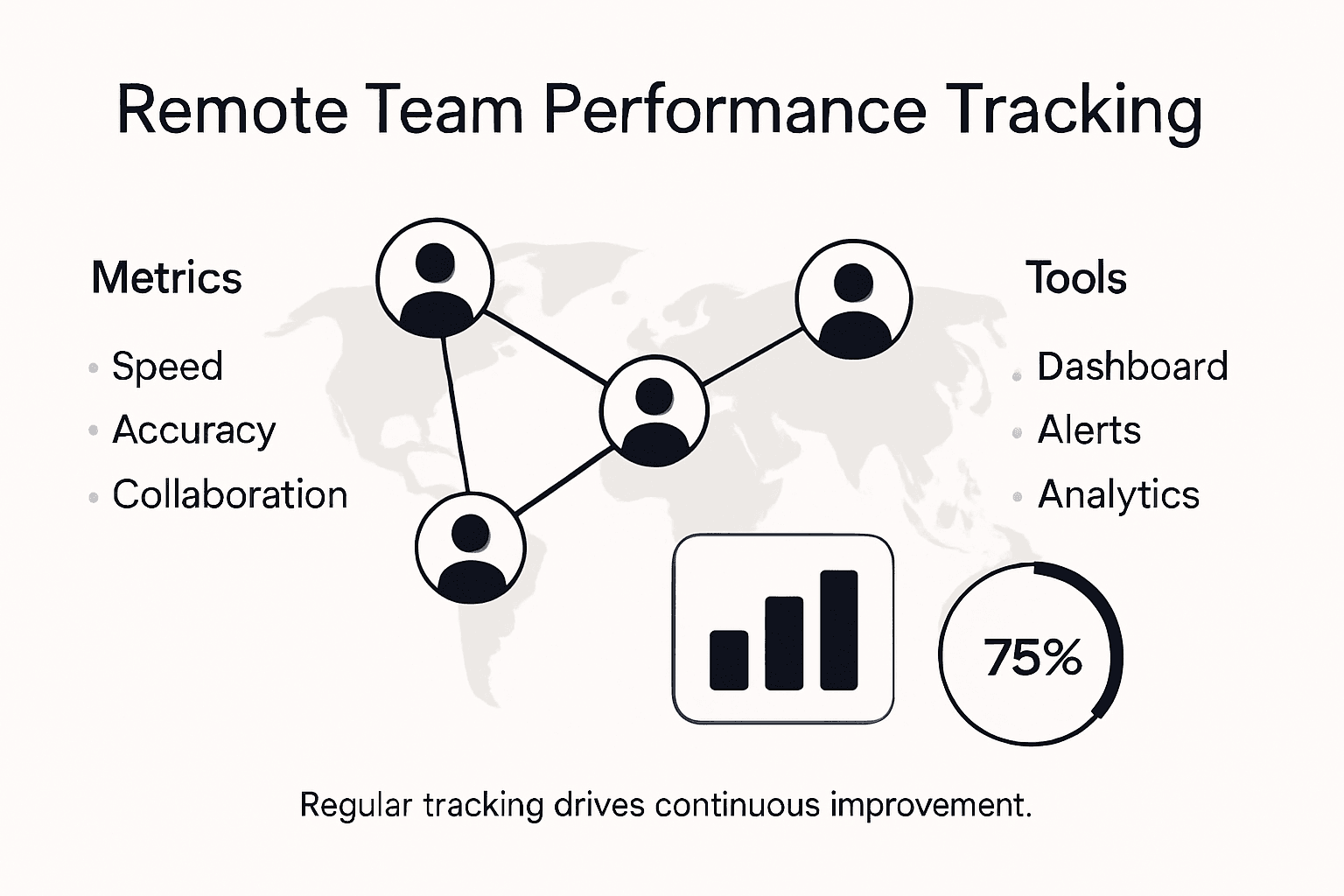
Building a culture of transparency and continuous improvement is essential when tracking performance across geographies. This requires establishing clear expectations, providing regular feedback, and creating mechanisms for ongoing professional development. Managers should design performance evaluation frameworks that balance objective metrics with qualitative assessments, recognizing the complex human factors that contribute to team success beyond simple numerical measurements.
Pro tip: Develop a standardized performance tracking template that can be customized for different regional contexts while maintaining consistent core evaluation criteria.
Ensuring Compliance and Data Security
Logistics security represents a comprehensive approach combining physical and digital protection strategies for remote teams, requiring sophisticated mechanisms to safeguard sensitive information and operational integrity across geographically dispersed networks. Modern logistics leaders must develop holistic security frameworks that address technological vulnerabilities, regulatory compliance, and potential operational risks.
Technological infrastructure plays a critical role in maintaining robust security protocols. Advanced cryptographic technologies like blockchain offer tamper-proof transaction records and enhanced data management efficiency, enabling logistics teams to create secure, transparent communication channels. Comprehensive security strategies should incorporate multi-factor authentication, end-to-end encryption, secure virtual private networks, and regular security audits to identify and mitigate potential vulnerabilities.
Regulatory compliance demands a proactive and systematic approach, particularly for logistics teams operating across international boundaries. This requires developing standardized protocols that account for diverse legal frameworks, industry-specific regulations, and data protection requirements. Successful compliance management involves creating comprehensive training programs, implementing automated compliance monitoring systems, and establishing clear communication channels that enable team members to understand and adhere to evolving regulatory landscapes.
Building a culture of security awareness is equally crucial in remote logistics environments. Organizations must invest in continuous employee education, conducting regular cybersecurity training sessions, simulated security threat scenarios, and developing clear incident response protocols. These initiatives help team members understand their individual responsibilities in maintaining organizational security, transforming compliance from a top-down mandate to a collaborative, team-wide commitment.
Pro tip: Implement a quarterly security assessment that combines technological scans, employee training evaluations, and compliance documentation reviews to maintain a proactive security posture.
Enhance Your Remote Logistics Team Management with Proven Global Solutions
Managing a remote logistics team means tackling unique challenges like clear communication, comprehensive performance tracking, and ensuring secure compliance across multiple geographies. The pressure to maintain real-time visibility and coordinate complex shipping operations from different locations can feel overwhelming. Worldwide Express offers tailored international shipping solutions that empower logistics leaders to streamline their remote team operations. With expertise in customs brokerage, freight forwarding, and global tracking technologies, Worldwide Express helps you overcome pain points such as inconsistent communication and complex compliance management.
Take control of your remote logistics team performance today by partnering with a trusted global leader. Discover how our end-to-end freight services and advanced supply chain tools reduce delays and improve accuracy. Visit Worldwide Express now to explore customized solutions that keep your remote team connected, compliant, and efficient. Don’t let distance hold your logistics operations back. Act now to turn remote challenges into competitive advantages with comprehensive freight forwarding services and customs clearance expertise.
Frequently Asked Questions
What are the key technologies for remote team management in logistics?
Remote logistics teams rely on cloud-based platforms for document management, communication tools for real-time interactions, and logistics-specific tracking systems for visibility into processes. Advanced technologies like AI and machine learning also enhance performance through predictive analytics.
How can I ensure effective communication in a remote logistics team?
Establish clear communication protocols by defining team purposes and individual roles. Use a mix of synchronous (video conferencing) and asynchronous (messaging platforms) communication tools, and set guidelines for response times and professional discourse.
What best practices should I follow for tracking performance across remote teams?
Integrate quantitative and qualitative performance measurement methods, utilize real-time data collection through automated reporting systems, and create standardized protocols that accommodate regional team differences while maintaining core evaluation criteria.
How can logistics leaders promote data security in remote teams?
Implement a comprehensive security framework that includes multi-factor authentication, encryption, and regular security audits. Additionally, foster a culture of security awareness through employee training and clear incident response protocols.
Recommended
- Business Networking Strategies for Logistics Managers – Worldwide Express, Inc.
- Understanding Sustainability in Logistics: Key Insights – Worldwide Express, Inc.
- How to Optimize Logistics for Efficient Global Shipping – Worldwide Express, Inc.
- Supply Chain Visibility: Driving Efficiency in Logistics – Worldwide Express, Inc.
- Managing Moving Day Logistics: Expert Tips for UK Moves 2025 | Schott Removals