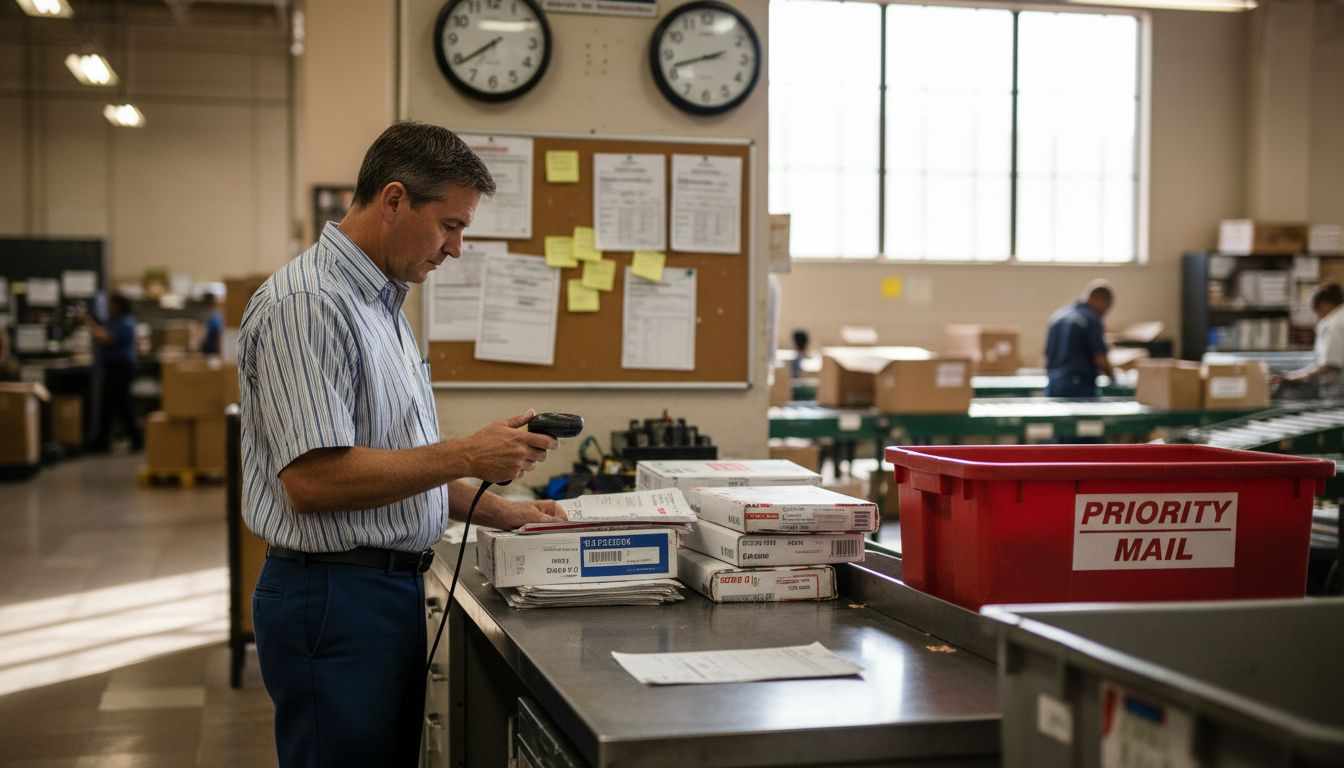

Over half of American companies report that a lack of real-time supply chain visibility has led to significant delays and higher costs. In a world where one missed shipment can ripple across entire industries, understanding supply chain dynamics is no longer optional for global businesses. This guide shows how advanced tracking and transparent information flows are changing logistics, offering practical strategies to help every American business stay ahead in an unpredictable market.
Table of Contents
- Defining Supply Chain Visibility In Logistics
- Types Of Visibility Across The Supply Chain
- Key Technologies Enabling Real-Time Insights
- Benefits For International Shippers And Businesses
- Common Challenges And Compliance Considerations
Key Takeaways
| Point | Details |
|---|---|
| Supply Chain Visibility is Essential | It provides real-time insights throughout the logistics process, enabling informed decision-making and operational efficiency. |
| Types of Visibility Enhance Performance | Demand, inventory, shipment, supplier, and financial visibility offer comprehensive insights to optimize the supply chain. |
| Technological Integration is Key | Advanced technologies like IoT, AI, and blockchain must be leveraged to create responsive and adaptive logistics systems. |
| Holistic Approach to Challenges | Organizations need to navigate data sharing, confidentiality, and compliance while fostering a transparent ecosystem to enhance supply chain visibility. |
Defining Supply Chain Visibility in Logistics
Supply chain visibility is a critical strategic approach that allows businesses to track and monitor products, materials, and information across the entire logistics ecosystem. At its core, this concept involves creating transparent, real-time insights into every stage of the supply chain, from initial procurement to final delivery.
According to leading logistics research, supply chain visibility refers to the comprehensive ability to track products throughout their lifecycle, enabling managers to make informed decisions based on accurate, timely data. This means having a clear understanding of where products are, their current status, and potential challenges that might impact movement or delivery.
The key components of supply chain visibility include tracking technologies, data integration systems, and advanced analytics platforms. These tools work together to provide real-time monitoring capabilities that help businesses anticipate disruptions, optimize routes, and improve overall operational efficiency. By implementing robust visibility strategies, companies can:
- Reduce inventory carrying costs
- Minimize potential supply chain interruptions
- Enhance customer satisfaction through precise delivery predictions
- Quickly respond to unexpected logistical challenges
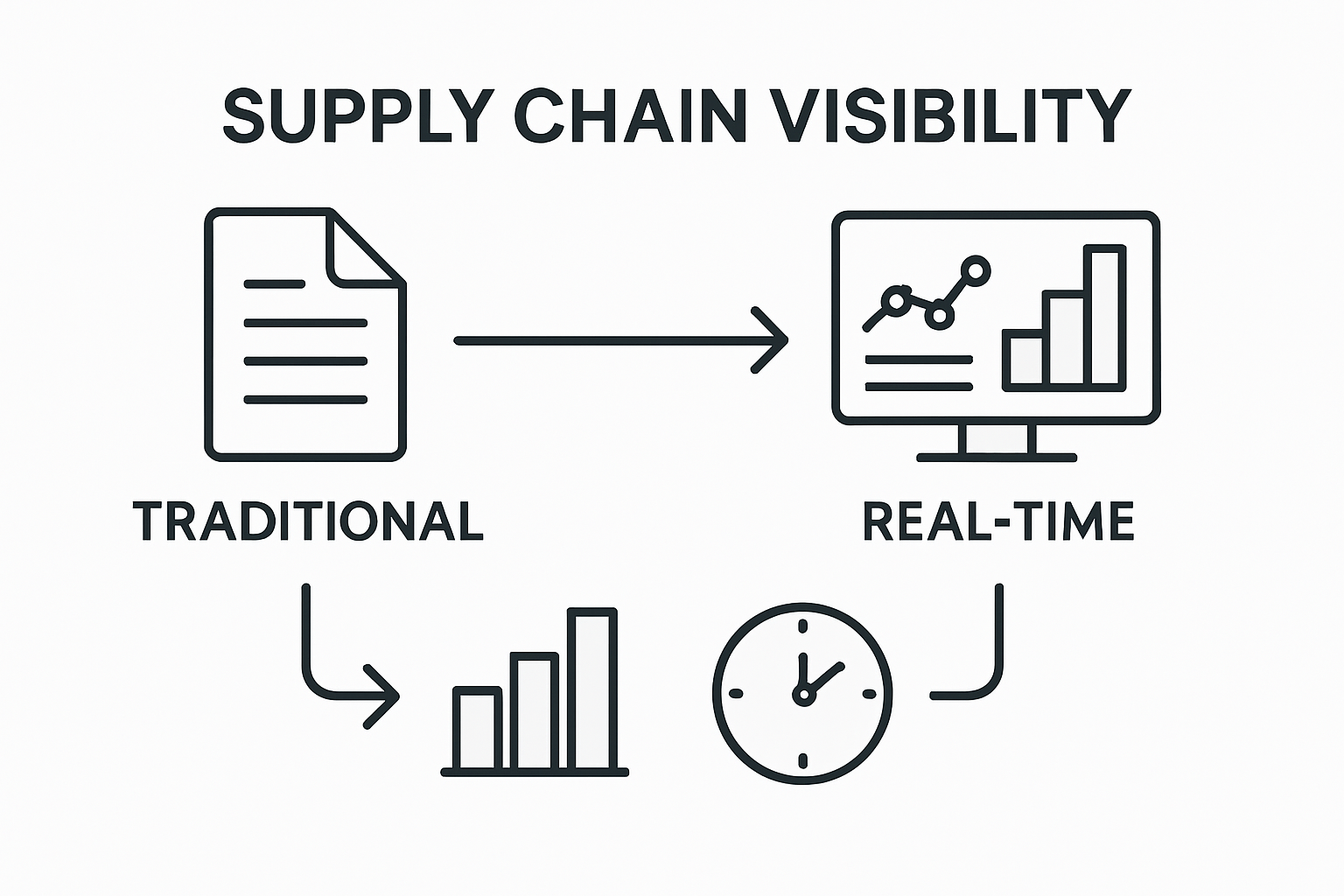
Successful supply chain visibility goes beyond simple location tracking. It involves creating an interconnected network where information flows seamlessly between suppliers, manufacturers, transportation providers, and end customers. This holistic approach transforms logistics from a traditional linear process into a dynamic, responsive system capable of adapting to complex global market conditions.
Types of Visibility Across the Supply Chain
Supply chain visibility is not a one-dimensional concept but rather a multifaceted approach encompassing various critical perspectives that provide comprehensive insights into logistics operations. Structural and dynamic visibility represent two fundamental frameworks that help businesses understand and optimize their supply chain performance.
According to supply chain research, organizations can categorize visibility into several distinct types. Comprehensive supply chain tracking typically includes the following key visibility dimensions:
- Demand Visibility: Understanding current and predicted customer requirements
- Inventory Visibility: Real-time tracking of stock levels, locations, and movement
- Shipment Visibility: Monitoring product transit, location, and estimated arrival times
- Supplier Visibility: Tracking supplier performance, reliability, and capabilities
- Financial Visibility: Monitoring cost structures, spending patterns, and financial risk
Structural visibility provides a strategic map of logistics routes and supplier networks, creating a foundational understanding of the entire supply chain architecture. Dynamic visibility, in contrast, delivers real-time operational data, enabling businesses to make immediate, informed decisions. By integrating these visibility types, companies can develop a holistic view that transforms complex logistics challenges into manageable, actionable intelligence.
The power of comprehensive supply chain visibility lies in its ability to create responsive, adaptable systems. When businesses can accurately track, predict, and analyze every aspect of their supply chain, they unlock unprecedented opportunities for efficiency, cost reduction, and strategic planning. This approach goes beyond simple tracking – it represents a fundamental reimagining of how organizations understand and optimize their global logistics networks.
Key Technologies Enabling Real-Time Insights
Supply chain technologies are rapidly transforming how businesses track and manage their logistics operations. Advanced tracking technologies are revolutionizing supply chain visibility by introducing innovative solutions that provide unprecedented levels of real-time monitoring and control.
Supply chain visibility platforms integrate multiple cutting-edge technologies to create comprehensive insights. The key technological enablers include:
- Internet of Things (IoT) Sensors: Providing continuous, real-time tracking of goods
- Artificial Intelligence (AI) Analytics: Predicting potential disruptions and optimizing routes
- Blockchain Technology: Ensuring transparent and immutable supply chain records
- GPS and Satellite Tracking: Offering precise location monitoring for shipments
- Cloud Computing Platforms: Enabling seamless data integration and accessibility
Automated systems like autonomous vehicles, intelligent sorting mechanisms, and drone delivery networks are pushing the boundaries of supply chain visibility. These technologies eliminate traditional tracking limitations by delivering instantaneous data across complex global networks. Real-time insights now allow businesses to make proactive decisions, reducing risks and improving operational efficiency.

The convergence of these technologies represents a fundamental shift in logistics management. By combining advanced tracking, predictive analytics, and integrated data platforms, organizations can transform their supply chains from reactive systems into dynamic, intelligent networks capable of adapting to rapid market changes and unexpected challenges.
Benefits for International Shippers and Businesses
Supply chain visibility has become a critical competitive advantage for international businesses navigating complex global logistics networks. Enhanced supply chain tracking enables companies to optimize operational efficiency by providing unprecedented insights into shipping processes, inventory management, and potential disruptions.
Product lifecycle monitoring offers international shippers multiple strategic benefits:
- Cost Optimization: Reducing unnecessary expenses through precise tracking
- Risk Mitigation: Identifying and addressing potential supply chain interruptions
- Customer Satisfaction: Providing accurate delivery estimates and transparent shipping information
- Sustainability Performance: Tracking carbon footprints and minimizing environmental impact
- Competitive Differentiation: Creating more responsive and adaptive logistics strategies
The most significant advantage of comprehensive supply chain visibility is its ability to transform reactive logistics management into proactive strategic planning. International businesses can now anticipate challenges, redirect resources dynamically, and make data-driven decisions that minimize risks and maximize operational efficiency. This approach moves beyond traditional tracking methods, creating intelligent supply chain ecosystems that adapt in real time.
By leveraging advanced visibility technologies, companies can develop more resilient, transparent, and efficient international shipping operations. The result is a dramatic improvement in operational performance, customer trust, and overall competitive positioning in the global marketplace.
Common Challenges and Compliance Considerations
Supply chain visibility presents complex challenges that require strategic navigation and comprehensive understanding. Inappropriate processes and communication gaps can significantly undermine the effectiveness of logistics management, creating critical obstacles for businesses seeking transparent operations.
Data sharing platforms must carefully balance multiple competing priorities, including:
- Confidentiality Protection: Safeguarding sensitive business information
- Regulatory Compliance: Meeting international trade and data privacy standards
- Technological Integration: Ensuring compatibility across different systems
- Stakeholder Trust: Maintaining transparent yet secure information exchanges
- Cross-Border Legal Requirements: Navigating complex international regulations
The primary challenges in supply chain visibility stem from technological limitations, organizational resistance to change, and the inherent complexity of global logistics networks. Businesses must develop robust strategies that address both technical and human factors, creating flexible frameworks that can adapt to evolving regulatory landscapes and technological innovations.
Successful supply chain visibility requires a holistic approach that transcends traditional boundaries. Organizations must invest in advanced technologies, cultivate collaborative relationships with partners, and develop comprehensive compliance strategies that protect competitive advantages while enabling meaningful data exchange. The goal is to create an ecosystem of trust, transparency, and strategic intelligence that drives operational excellence across complex international supply chains.
Unlock True Supply Chain Visibility with Worldwide Express
The journey to achieving complete supply chain visibility can be complex and filled with challenges around data sharing, real-time tracking, and regulatory compliance. Businesses face the pressure to reduce costs, mitigate risks, and deliver impeccable customer satisfaction while navigating these obstacles. Concepts like dynamic visibility and integrated tracking technologies are vital to transforming logistics from a reactive process into a proactive, intelligent system.
Take control of your global logistics with Worldwide Express, a trusted partner specializing in international shipping solutions designed to bring transparency and efficiency to your supply chain. Through expert customs brokerage, advanced shipment tracking, and tailored freight forwarding services, we help you overcome the common pitfalls of supply chain visibility. Start optimizing your operations today by visiting our official site and explore how our supply chain management tools can empower your business with real-time insights and seamless global connectivity. The time to act is now to turn your supply chain challenges into competitive advantages.
Frequently Asked Questions
What is supply chain visibility?
Supply chain visibility refers to the ability to track and monitor products, materials, and information across the entire logistics ecosystem, providing real-time insights into every stage of the supply chain, from procurement to delivery.
Why is supply chain visibility important for businesses?
Supply chain visibility is crucial as it helps businesses reduce inventory costs, minimize interruptions, enhance customer satisfaction with accurate delivery predictions, and respond effectively to unexpected logistical challenges.
What technologies enable supply chain visibility?
Key technologies that enable supply chain visibility include IoT sensors for real-time tracking, AI analytics for predicting disruptions, blockchain for transparent record-keeping, GPS for monitoring shipments, and cloud computing for seamless data integration.
What are the benefits of supply chain visibility for international shippers?
International shippers can benefit from cost optimization, risk mitigation, improved customer satisfaction through accurate delivery information, sustainability tracking, and enhanced competitive differentiation due to more responsive logistics strategies.
Recommended
- Supply Chain Digitalization: Transforming Global Logistics – Worldwide Express, Inc.
- Understanding Sustainability in Logistics: Key Insights – Worldwide Express, Inc.
- Green Supply Chains: Everything You Need to Know – Worldwide Express, Inc.
- Understanding Smart Warehousing Solutions for Trade Success – Worldwide Express, Inc.
- Understanding Supply Chain Transparency in E-commerce – ORNER