
More than 80 percent of American companies now rely on external partners to manage at least one aspect of their supply chain. As the world of logistics grows more complex, businesses are searching for ways to stay competitive without drowning in operational headaches. Third Party Logistics offers a practical solution, helping American business owners navigate shipping, warehousing, and distribution with efficiency and expert support.
Table of Contents
- What Is Third Party Logistics? Core Definition
- Main Types of 3PL Providers Explained
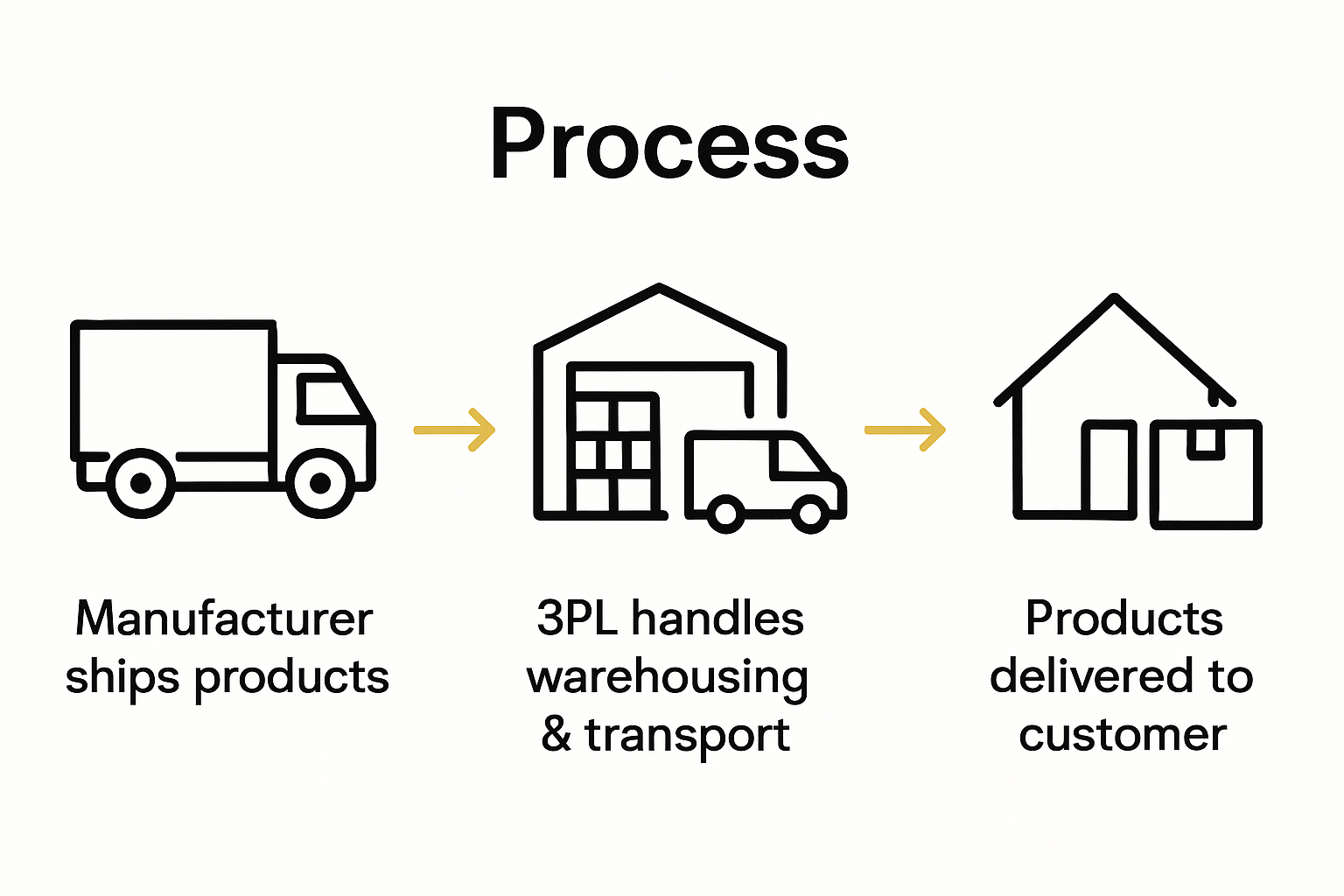
- How Third Party Logistics Services Work
- Benefits and Common Use Cases for 3PLs
- Key Risks, Costs, and Compliance Factors
- Selecting the Right 3PL Provider for Business
Key Takeaways
| Point | Details |
|---|---|
| Definition of 3PL | Third Party Logistics (3PL) involves outsourcing logistics and supply chain functions to specialized external providers, enabling companies to focus on core competencies. |
| Benefits of 3PL | Engaging 3PL providers offers cost reduction, scalability, access to expertise, and global reach. |
| Types of 3PL Providers | 3PL providers fall into categories such as transportation-based, warehouse/distribution, forwarder, and financial/information logistics, each offering essential services. |
| Choosing a 3PL Provider | Selecting the right 3PL provider involves assessing their operational expertise, technological infrastructure, service range, financial stability, and compliance capabilities. |
What Is Third Party Logistics? Core Definition
Third Party Logistics (3PL) is a strategic business solution where companies outsource their logistics and supply chain management functions to specialized external service providers. According to industry insights from logistics management research, this approach allows businesses to leverage expert operational capabilities while maintaining focus on their core competencies.
At its fundamental level, 3PL involves delegating transportation, warehousing, distribution, and other logistical operations to a professional third-party organization. These specialized logistics providers offer comprehensive services that can include inventory management, freight forwarding, customs brokerage, and advanced tracking systems. By partnering with a 3PL provider, businesses can significantly reduce operational complexities and optimize their supply chain efficiency.
The primary benefits of engaging a Third Party Logistics provider include:
- Cost Reduction: Eliminating the need for internal infrastructure and specialized logistics personnel
- Scalability: Quickly adapting logistics capabilities to match business growth or seasonal demands
- Expertise: Access to advanced technologies and industry-specific logistics knowledge
- Global Reach: Leveraging established international shipping and distribution networks
Moreover, modern 3PL providers go beyond traditional transportation and warehousing. They integrate sophisticated technologies like real-time tracking, predictive analytics, and automated inventory management to deliver comprehensive supply chain solutions that drive operational excellence and competitive advantage.
Main Types of 3PL Providers Explained
Third Party Logistics (3PL) providers can be categorized into several specialized types, each offering unique services designed to meet diverse business logistics requirements. Logistics management research suggests that understanding these different types helps companies select the most appropriate partner for their specific operational needs.
Traditionally, 3PL providers are classified into distinct categories based on their service scope and complexity. According to supply chain management insights, these logistics service providers can be segmented into the following primary types:
- Transportation-Based 3PL Providers
- Specialize in freight transportation services
- Handle shipping across multiple transportation modes (road, rail, air, ocean)
- Manage route optimization and carrier selection
- Warehouse/Distribution 3PL Providers
- Focus on storage, inventory management, and product distribution
- Offer advanced warehousing technologies
- Manage order fulfillment and inventory tracking
- Forwarder 3PL Providers
- Coordinate international shipping logistics
- Handle customs documentation and cross-border transportation
- Manage complex international trade regulations
- Financial and Information 3PL Providers
- Offer advanced technological solutions for logistics management
- Provide freight payment and auditing services
- Implement sophisticated tracking and reporting systems
Moreover, modern 3PL providers often blend multiple service types, creating integrated logistics solutions that can transform complex shipping challenges into streamlined, efficient operations. By understanding these provider categories, businesses can strategically select partners that align precisely with their unique supply chain requirements and growth objectives.

How Third Party Logistics Services Work
Third Party Logistics (3PL) services operate through a comprehensive, integrated approach that transforms complex supply chain management into streamlined operational processes. Cargo management guidelines reveal that these providers leverage advanced technologies and specialized infrastructure to handle intricate logistics functions on behalf of client businesses.
The operational workflow of 3PL services typically involves several critical stages. According to border security cargo guidelines, 3PLs manage and execute logistics functions using their proprietary transportation, consolidation, and warehousing assets. This process includes:
-
Initial Consultation and Assessment
- Analyzing client’s existing supply chain infrastructure
- Identifying potential optimization opportunities
- Developing customized logistics strategies
-
Strategic Planning
- Designing efficient transportation and distribution networks
- Selecting appropriate shipping modes and carriers
- Creating cost-effective routing solutions
-
Execution and Management
- Coordinating freight transportation
- Managing inventory and warehousing
- Handling documentation and customs clearance
-
Tracking and Reporting
- Implementing real-time shipment monitoring
- Providing comprehensive performance analytics
- Generating detailed logistics reports
Moreover, modern 3PL providers increasingly integrate digital freight forwarding technologies to enhance operational transparency and efficiency. These advanced systems enable businesses to gain unprecedented visibility into their supply chain processes, transforming logistics from a traditional operational function into a strategic competitive advantage.
Benefits and Common Use Cases for 3PLs
Third Party Logistics (3PL) providers deliver transformative solutions that enable businesses to optimize their supply chain operations. Supply chain management research reveals that companies strategically outsource logistics functions to concentrate on their core business capabilities, gaining significant competitive advantages.
The primary benefits of engaging 3PL providers encompass multiple strategic dimensions. According to logistics management studies, organizations leverage these services to address complex operational challenges across various industries:
-
Cost Optimization
- Reduce infrastructure and personnel expenses
- Eliminate need for dedicated logistics departments
- Access economies of scale in transportation
-
Operational Flexibility
- Scale logistics capabilities quickly
- Adapt to market demand fluctuations
- Expand into new geographic markets efficiently
-
Technology and Expertise
- Implement advanced tracking systems
- Utilize sophisticated inventory management technologies
- Benefit from specialized logistics knowledge
Common Use Cases for 3PL services span multiple industry sectors:
-
Manufacturing
- Managing complex supply chain networks
- Coordinating international raw material procurement
- Ensuring just-in-time inventory management
-
Retail and E-commerce
- Handling order fulfillment
- Managing cross-border shipping
- Providing reverse logistics support
-
Healthcare and Pharmaceutical
- Ensuring temperature-controlled transportation
- Managing regulatory compliance
- Tracking sensitive medical shipments
Moreover, innovative 3PL providers are increasingly integrating blockchain technologies to enhance supply chain transparency and create more secure, efficient logistics ecosystems that adapt to evolving global trade requirements.
Key Risks, Costs, and Compliance Factors
Third Party Logistics (3PL) partnerships involve complex legal and operational considerations that businesses must carefully evaluate. Border security guidelines emphasize the critical importance of understanding the potential risks and compliance requirements inherent in these strategic relationships.
The primary compliance factors for 3PL providers center on meeting rigorous security and operational standards. According to legal definitions, these providers must navigate intricate regulatory landscapes while maintaining precise operational protocols:
Key Compliance Risks
-
Legal Operational Constraints
- Strict adherence to industry-specific regulations
- Maintaining accurate documentation
- Ensuring transparent logistics operations
-
Security Requirements
- Implementing robust cargo tracking systems
- Protecting sensitive shipment information
- Preventing unauthorized access to logistics networks
Cost Considerations
-
Direct Financial Implications
- Service contract negotiation expenses
- Technology integration costs
- Potential penalties for compliance violations
-
Indirect Cost Factors
- Potential reputation risks
- Performance monitoring expenses
- Technology upgrade investments
Operational Risks to Mitigate
- Potential data security breaches
- Supply chain disruption vulnerabilities
- Inconsistent service quality
- Unexpected regulatory changes
Businesses must also recognize that digital freight technologies are increasingly becoming critical in managing these complex compliance challenges, offering more transparent and secure logistics management strategies that help mitigate potential risks and operational uncertainties.
Selecting the Right 3PL Provider for Business
Choosing the ideal Third Party Logistics (3PL) provider demands a strategic and comprehensive evaluation process that goes far beyond simple price comparisons. Supply chain management research highlights the critical importance of selecting a partner that seamlessly aligns with your organization’s unique operational requirements and long-term business objectives.
Business leaders must conduct a thorough assessment of potential 3PL providers across multiple critical dimensions. According to logistics management insights, the selection process should include comprehensive analysis of the following key evaluation criteria:
Strategic Compatibility Assessment
-
Operational Expertise
- Industry-specific experience
- Proven track record in your sector
- Depth of technical capabilities
-
Technological Infrastructure
- Advanced tracking systems
- Real-time reporting capabilities
- Scalable digital platforms
Essential Evaluation Criteria
-
Service Range Alignment
- Comprehensive logistics coverage
- Flexibility in service offerings
- Ability to adapt to changing business needs
-
Financial Stability
- Company financial health
- Investment in infrastructure
- Long-term sustainability
-
Compliance and Security
- Regulatory compliance record
- Data protection protocols
- International shipping certifications
Furthermore, businesses can leverage customs brokerage solution comparisons to validate a 3PL provider’s capabilities, ensuring they possess the necessary expertise to navigate complex international logistics challenges while maintaining the highest standards of operational excellence.
Unlock Seamless Third Party Logistics Solutions Tailored to Your Business
Managing complex supply chains and optimizing logistics operations can feel overwhelming. This guide highlights the critical challenge businesses face in finding scalable, cost-effective, and expert 3PL providers that deliver transparency, compliance, and global reach. Key pain points such as inventory management, freight forwarding, customs clearance, and real-time shipment tracking require trusted partners who bring industry knowledge and advanced technology to the table.
At Worldwide Express, Inc., we understand these challenges and tailor end-to-end logistics solutions that align with your unique business needs. Our comprehensive services span international shipping, customs brokerage, warehousing, and supply chain management. Filled with decades of experience, our team ensures smooth cross-border operations and bridges gaps in your logistics with efficiency and reliability.
Elevate your logistics strategy by visiting our Uncategorized Services page to explore how our versatile offerings can simplify your supply chain. Discover how Worldwide Express can transform your freight forwarding and global distribution challenges into competitive advantages by checking out our homepage.
Don’t let logistics complexities slow your business down. Partner with Worldwide Express today for customized 3PL solutions that deliver cost savings, scalability, and the expert guidance needed to thrive in international markets. Contact us now at Worldwide Express and take the next step toward seamless logistics management.
Frequently Asked Questions
What is Third Party Logistics (3PL)?
Third Party Logistics (3PL) is a business strategy where companies outsource their logistics and supply chain management functions to specialized external service providers, allowing them to focus on their core operations while leveraging expertise in transportation, warehousing, and distribution.
What are the benefits of using a 3PL provider?
The primary benefits of using a 3PL provider include cost reduction by eliminating the need for internal logistics infrastructure, scalability to adapt to business growth, access to specialized expertise and advanced technologies, and leveraging global shipping networks for efficient distribution.
How do I choose the right 3PL provider for my business?
To choose the right 3PL provider, assess their operational expertise, technological infrastructure, service range, financial stability, and compliance with regulatory standards. Ensure their capabilities align with your unique logistics requirements and long-term business goals.
What common use cases exist for Third Party Logistics in various industries?
Common use cases for Third Party Logistics span multiple sectors, including manufacturing for supply chain management, retail and e-commerce for order fulfillment, and healthcare for managing sensitive medical shipments with regulatory compliance.
Recommended
- Understanding Logistic Providers: Key Concepts Explained – Worldwide Express, Inc.
- Understanding What is Transloading in Logistics and Trade – Worldwide Express, Inc.
- Understanding Sustainability in Logistics: Key Insights – Worldwide Express, Inc.
- LCL vs FCL Shipping: Complete Guide for Businesses – Worldwide Express, Inc.
- Unternehmensberatung im BPO: Alles, was Sie wissen müssen
- Your Guide to a Thermal Label Printer for Shipping