Navigating international shipping can feel like threading a needle in the dark. One misstep in customs compliance and your shipment faces costly delays, penalties, or worse. For import/export businesses and logistics managers, understanding the nuances of classification, valuation, and documentation isn’t optional anymore. It’s the difference between smooth operations and regulatory nightmares. This guide breaks down proven strategies to help you avoid common pitfalls, leverage technology, and stay ahead of evolving enforcement trends so your goods move across borders without friction.
Table of Contents
- Key takeaways
- Set clear customs compliance criteria for your operations
- Implement precise classification and valuation processes
- Leverage technology and integrate compliance across functions
- Stay ahead of customs enforcement trends and legal boundaries
- Streamline your shipping with expert freight forwarding and customs brokerage
- Frequently asked questions
Key Takeaways
| Point | Details |
|---|---|
| Clear compliance criteria | Define reasonable care across classification, valuation, country of origin, and admissibility with documented decision making and defensible rationale. |
| Preshipment checklists | Create preshipment checklists covering tariff codes, declared values, country of origin certificates, and permits to verify critical elements before goods leave the warehouse. |
| Cross functional coordination | Coordinate across procurement product development finance and logistics to ensure a consistent compliance language and capture data that affects classification and valuation. |
| Regular training and playbook | Schedule quarterly training on regulatory updates common errors and case studies and build a compliance playbook with procedures for classification valuation and recordkeeping. |
| Proactive communication with authorities | Establish relationships with customs brokers and maintain open dialogue with customs authorities to flag issues before they cause delays. |
Set clear customs compliance criteria for your operations
Before your first shipment crosses a border, you need a rock-solid foundation of compliance criteria. This means defining what reasonable care looks like for your organization across classification, valuation, country of origin, and admissibility. Under 19 U.S.C. § 1484, importers must exercise reasonable care, which translates to documented decision-making processes and defensible rationale for every declaration you make.
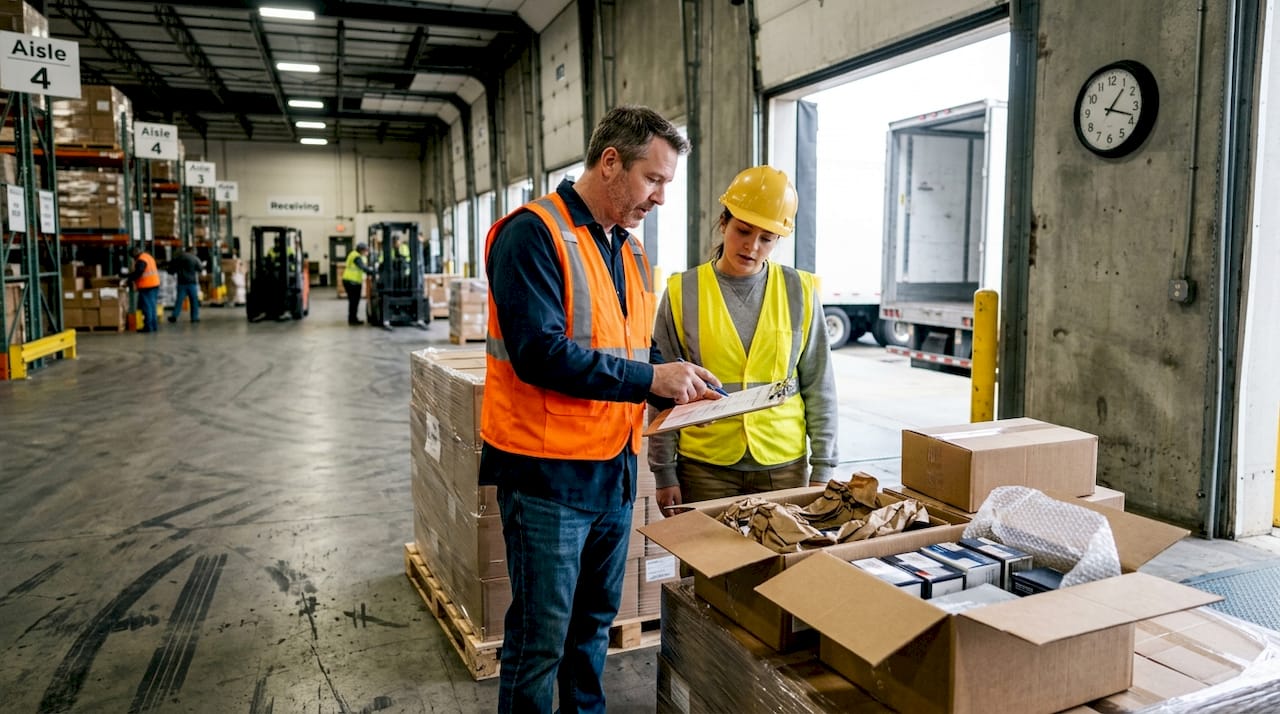
Start by creating pre-shipment checklists that verify critical compliance elements before goods leave the warehouse. These checklists should cover tariff codes, declared values, country of origin certificates, and any special permits or licenses. Your team needs to understand not just what to check, but why each element matters and what risks come with inaccurate declarations.
Coordination across departments is essential. Procurement, product development, finance, and logistics must all speak the same compliance language. When your product team designs a new item, they should consider how material composition affects classification. When procurement negotiates with suppliers, they need to capture data about assists, royalties, and commissions that impact valuation. This cross-functional approach prevents the all-too-common scenario where compliance becomes an afterthought.
Regular training keeps everyone sharp. Customs regulations evolve, enforcement priorities shift, and new trade agreements change the landscape. Schedule quarterly training sessions that cover recent regulatory updates, common errors your team has encountered, and case studies of compliance failures at other companies. Make compliance part of your culture, not just a checkbox.
Pro Tip: Build a compliance playbook that documents your standard operating procedures for classification decisions, valuation calculations, and recordkeeping requirements. This becomes your defense if customs ever questions your practices.
Your compliance criteria should also address how you avoid customs delays through proactive communication with customs authorities. Establish relationships with customs brokers who understand your industry and product mix. They can flag potential issues before they become problems.
Implement precise classification and valuation processes
Misclassification and undervaluation rank among the most common costly errors in customs compliance. The stakes are high because these mistakes trigger penalties, duty adjustments, and increased scrutiny on future shipments. Getting classification and valuation right requires deep product knowledge and meticulous attention to detail.
Tariff classification uses the Harmonized Tariff Schedule, a complex system where small differences in product composition or function can mean vastly different duty rates. You need to analyze your products at the component level, understand their primary use, and apply the General Rules of Interpretation systematically. Don’t rely on supplier classifications blindly. Verify them independently because you bear ultimate responsibility.
Valuation errors often hide in unreported assists, royalties, and commissions. An assist is anything you provide to your supplier that helps manufacture the goods, like tools, molds, or engineering work. These must be added to the transaction value. Royalties paid as a condition of sale also get included. Many companies miss these because the payments flow through different departments and never reach the person preparing customs documentation.
| Error Type | Common Causes | Potential Impact |
|---|---|---|
| Misclassification | Incomplete product analysis, relying on supplier codes | Duty underpayment penalties, retrospective assessments |
| Undervaluation | Unreported assists, missing royalties, related party pricing | Fines under 19 U.S.C. §1592, increased audit risk |
| Origin errors | Insufficient origin verification, complex supply chains | Loss of preferential duty treatment, compliance investigations |
Maintain defensible records for every valuation decision. Document how you calculated transaction value, what elements you included or excluded, and the rationale behind related party pricing. If customs challenges your valuation three years later, you need contemporaneous records that show your thought process.
Pro Tip: Conduct periodic internal audits of your classification and valuation practices. Sample recent entries, verify the accuracy of codes and values, and identify patterns in errors. This proactive approach helps you catch problems before customs does.
Understand the difference between legal tariff engineering and illegal misclassification. Tariff engineering means legitimately modifying products or supply chains to qualify for lower duty rates. This is perfectly legal when done transparently with proper documentation. Misclassification means intentionally using wrong codes to evade duties, which violates 19 U.S.C. §1592 and carries severe penalties.
When you need help navigating complex classification questions, learn how to handle customs audits effectively by maintaining organized, accessible records that demonstrate your reasonable care.
Leverage technology and integrate compliance across functions
Technology transforms customs compliance from a manual bottleneck into a strategic advantage. Traditional manual audits check only about 5% of entries, leaving massive gaps in compliance coverage. AI automation has increased audit coverage to 100% while simultaneously reducing turnaround times and improving fraud detection. This isn’t just about efficiency anymore. It’s about risk management at scale.
AI tools analyze patterns across your entire import history, flagging anomalies that human reviewers might miss. They can spot when a product’s classification changes without explanation, when declared values drift from historical norms, or when supplier invoices contain inconsistencies. Machine learning models get smarter over time, learning from corrections and adapting to your specific product mix.
But technology alone won’t save you if compliance remains siloed in your logistics department. Poor customs management spreads costs across multiple functions because nobody owns the full picture. Integrating customs considerations into product sourcing and design phases reduces landed costs and distributes compliance responsibility where it belongs.
| Approach | Audit Coverage | Turnaround Time | Fraud Detection | Scalability |
|---|---|---|---|---|
| Manual audits | 5% of entries | Days to weeks | Limited pattern recognition | Poor, labor intensive |
| AI-enabled audits | 100% of entries | Hours to days | Advanced pattern analysis | Excellent, handles volume growth |
When your product development team designs new items, they should consult with customs experts about how material choices affect duty rates. A small change in fabric blend or component sourcing might qualify a product for preferential treatment under a free trade agreement. When procurement negotiates supplier contracts, they need to structure pricing and payment terms with customs valuation rules in mind.
This cross-functional integration requires breaking down organizational silos. Create a customs compliance committee with representatives from product development, procurement, finance, logistics, and legal. Meet monthly to review upcoming product launches, supplier changes, and regulatory updates. Make customs impact a standard consideration in business decisions, not an afterthought.
Pro Tip: When selecting compliance technology, prioritize systems that integrate with your existing ERP and logistics platforms. Standalone tools create data silos and duplicate work. Look for solutions that pull data automatically from purchase orders, invoices, and shipping documents.
Understanding artificial intelligence in logistics helps you evaluate which technologies deliver real value versus marketing hype. Focus on tools that provide explainable AI, meaning they can show you why they flagged a particular entry for review.
Don’t forget that technology should support your total landed cost calculation, giving you visibility into how duties, taxes, and compliance costs affect your true product costs. This visibility enables smarter sourcing decisions and more accurate pricing.
Stay ahead of customs enforcement trends and legal boundaries
Customs enforcement is evolving rapidly, and 2026 brings new challenges that demand proactive strategies. Recent trends include expanded Section 232 applications, FCA whistleblower cases, and AI-powered targeting of non-compliant importers. Enforcement agencies are getting smarter and more aggressive, making documented reasonable care your best defense.
Whistleblower cases under the False Claims Act have surged, with former employees and competitors reporting suspected customs violations. These cases can result in treble damages and personal liability for executives who knew or should have known about compliance failures. Your defense rests entirely on demonstrating that you exercised reasonable care through documented processes and good faith efforts to comply.
Section 232 national security tariffs continue expanding beyond their original scope, covering more products and triggering complex exclusion processes. Companies that previously operated outside Section 232’s reach now face potential exposure. You need systems to track which products might fall under current or future Section 232 measures and processes to apply for exclusions when appropriate.
Forced labor regulations represent another expanding enforcement priority. The Uyghur Forced Labor Prevention Act creates a rebuttable presumption that goods from Xinjiang contain forced labor, shifting the burden of proof to importers. You must trace your supply chains deeply enough to demonstrate that no forced labor touched your products, which requires supplier audits and documentation far beyond traditional compliance.
“Tariffs increase bureaucracy and enforcement costs rather than competitiveness. Focus on defensible records for potential refunds and appeals when policies change.”
Maintaining defensible records means more than just keeping documents. You need to show your decision-making process, demonstrate that you consulted relevant regulations and guidance, and document any uncertainty or judgment calls. When you make a close call on classification or valuation, write down why you chose one interpretation over another. This contemporaneous documentation proves you weren’t reckless or negligent.
Understand the legal distinction between legitimate optimization and illegal evasion. Tariff engineering through product redesign, supply chain restructuring, or taking advantage of free trade agreements is perfectly legal. Misclassifying products, undervaluing shipments, or falsifying origin certificates crosses into criminal territory under 19 U.S.C. §1592. The line isn’t always obvious, which is why legal counsel matters for complex situations.
Stay informed about policy changes through industry associations, customs broker updates, and legal alerts. Regulations that seemed settled can shift quickly based on trade negotiations, court decisions, or political priorities. Build flexibility into your compliance program so you can adapt when rules change.
Working with professionals who understand how customs brokers streamline global trade gives you access to expertise that keeps pace with regulatory evolution. Brokers see patterns across hundreds of clients and can warn you about emerging enforcement focuses before they hit your industry.
Streamline your shipping with expert freight forwarding and customs brokerage
Putting these compliance strategies into practice requires expertise, technology, and global networks that most companies don’t build in-house. That’s where professional freight forwarding and customs brokerage services become invaluable partners in your compliance program.
Worldwide Express brings decades of experience helping import/export businesses navigate the complexities of international shipping. Our customs brokerage team stays current on regulatory changes, enforcement trends, and best practices so you don’t have to become a customs expert yourself. We handle classification research, valuation calculations, and documentation preparation with the precision that prevents delays and penalties.
Our freight forwarding services integrate compliance into every stage of your shipment, from initial quote through final delivery. We help you understand landed costs upfront, structure transactions to optimize duty treatment, and maintain the records you need for audit defense. Our technology platforms give you visibility into shipment status and compliance checkpoints in real time.
Pro Tip: Engage customs and freight forwarding experts early in your sourcing and product development process, not just when shipments are ready to move. Early consultation prevents costly compliance mistakes that are expensive to fix later.
Whether you need help with complex classifications, managing compliance across multiple countries, or preparing for customs audits, our US customs brokerage services provide the expertise and support to keep your goods moving smoothly. Learn how to choose a freight forwarder that aligns with your compliance priorities and business goals.
Frequently asked questions
What are the most common customs compliance mistakes to avoid?
Misclassification of products, undervaluation due to unreported assists or royalties, and incomplete documentation top the list. These errors trigger penalties, duty adjustments, and increased scrutiny on future shipments. Accurate recordkeeping and thorough product analysis prevent most common mistakes.
How can AI technology improve customs compliance?
AI automates audit checks across 100% of entries rather than the 5% coverage typical of manual reviews. It reduces turnaround times from weeks to days, identifies fraud patterns humans might miss, and scales effortlessly as import volumes grow. Machine learning improves accuracy over time by learning from corrections.
What legal risks come with improper tariff classification?
Improper classification violates 19 U.S.C. §1592 and can result in substantial fines, retrospective duty assessments, and even criminal penalties for intentional violations. Personal liability can extend to executives who knew or should have known about compliance failures. Tariff engineering through legitimate product modification remains legal when done transparently with proper documentation.
Why is cross-functional integration important for customs compliance?
Integrating customs considerations into sourcing, product design, and procurement reduces total landed costs and prevents compliance becoming an afterthought. When multiple departments share responsibility for compliance elements, you catch issues earlier and make smarter business decisions. Poor customs management spreads hidden costs across your organization without anyone owning the solution.
How should import/export businesses prepare for evolving enforcement trends in 2026?
Maintain thorough documentation of all compliance decisions, showing your reasoning and good faith efforts. Stay informed through industry associations, customs brokers, and legal counsel about regulatory changes affecting your products. Consider periodic compliance audits to identify vulnerabilities before enforcement agencies do, and build flexibility into your processes to adapt quickly when rules change.
Recommended
- How to Handle Customs Audits for Smooth Compliance – Worldwide Express, Inc.
- How to Avoid Customs Delays for Smooth International Shipping – Worldwide Express, Inc.
- How to Avoid Customs Penalties: A Step-by-Step Guide – Worldwide Express, Inc.
- 7 Key Tips for Mastering Customs Brokerage Services – Worldwide Express, Inc.