TL;DR:
- Negotiating freight rates and supplier contracts can reduce costs by 15 to 35 percent.
- Consolidating shipments from LCL to FCL at 10-12 CBM volumes lowers per-unit freight expenses.
- Diversifying ports of entry and sourcing countries can significantly cut total landed costs.
Logistics costs are quietly draining profit margins for importers across every sector, and the problem is accelerating. Freight rates, fuel surcharges, customs fees, and accessorial charges pile up fast, often without anyone questioning whether those costs are truly fixed. The reality is that a significant portion of what importers pay for international shipping is negotiable, avoidable, or restructurable. This guide breaks down proven, data-backed strategies that import businesses can act on immediately, from renegotiating carrier contracts to timing shipments strategically, consolidating cargo, and diversifying supply chains to lower total landed costs.
Table of Contents
- Negotiate freight rates and rethink provider contracts
- Consolidate shipments: When to switch from LCL to FCL
- Choose smart routes and diversify supply chains
- Leverage timing and multi-strategy approaches
- The hidden opportunities most importers miss
- Streamline your imports with expert logistics partners
- Frequently asked questions
Key Takeaways
| Point | Details |
|---|---|
| Negotiate for better rates | Freight contracts and carrier terms are negotiable, so don’t accept the first quote. |
| Time LCL–FCL switch | Consolidating to a full container at 10–12 CBM can cut average shipment cost significantly. |
| Leverage smarter sourcing | Choosing the right port or low-tariff country source impacts your total landed costs dramatically. |
| Avoid peak surcharges | Scheduling shipments outside of peak seasons and using dual-track booking avoids costly surcharges. |
| Layer your strategies | Stacking multiple savings tactics—like FTZs and supplier diversification—maximizes reductions far more than just using one. |
Negotiate freight rates and rethink provider contracts
Now that you’re clear this isn’t a fixed expense, the first area to address is your carrier negotiations. Most importers sign a freight contract, file it away, and forget it exists until renewal season. That’s a costly habit. Shipping costs are reducible by 15 to 35% through negotiation and optimization, often without switching carriers at all.
The variables most importers don’t realize are negotiable include:
- Base freight rates: The published rate is a starting point, not a final offer.
- Fuel surcharges: These fluctuate and can often be capped or indexed in a contract.
- Accessorial charges: Fees for detention, demurrage, liftgate service, and residential delivery are frequently negotiable.
- Payment terms and credit: Extended payment windows can improve cash flow significantly.
Committing to volume or signing multi-year agreements typically unlocks better rates. Carriers value predictability, and importers who offer it gain leverage. Regularly benchmarking your rates against current market conditions is equally important. Per expert recommendations from BCG, companies that treat cost discipline as an ongoing process rather than a one-time exercise consistently outperform peers on logistics spend.
Knowing when to reduce shipping costs through renegotiation versus when to switch providers entirely is a critical judgment call. Switching carriers introduces risk, transition costs, and service uncertainty. Before making that move, exhaust every negotiation lever available with your current provider. Understanding the difference between a carrier vs freight forwarder also matters here, since each relationship offers different negotiation dynamics and cost structures.
For deeper leverage, consider freight rate negotiation strategies that use dual-sourcing as a bargaining tool. When carriers know you have a qualified backup, they negotiate more seriously.
Pro Tip: Combine contract negotiation with dual-sourcing. Qualifying a secondary carrier costs little upfront but creates meaningful leverage that can shave thousands off annual freight spend.
Consolidate shipments: When to switch from LCL to FCL
Optimizing contract terms is half the battle. How you physically ship goods is the other. LCL (less-than-container load) shipping is convenient when volumes are low, but it comes at a steep per-cubic-meter premium. At a certain volume threshold, the math shifts decisively.
Per shipment consolidation insights, consolidating from LCL to FCL when volume reaches 10 to 12 CBM (cubic meters) produces meaningful cost reductions. Here’s a simplified comparison:

| Shipment type | Typical volume | Cost per CBM | Best for |
|---|---|---|---|
| LCL | Under 10 CBM | Higher | Small, frequent orders |
| FCL (20-foot) | 10 to 25 CBM | Lower | Mid-volume importers |
| FCL (40-foot) | 25 CBM and above | Lowest per unit | High-volume importers |
The steps to make this transition work in practice:
- Audit your shipment history. Calculate average monthly CBM across all suppliers and lanes.
- Batch orders strategically. Coordinate with vendors to consolidate multiple purchase orders into single shipments.
- Use a freight forwarder or consolidator. They can group your cargo with other shippers until FCL thresholds are reached.
- Build a shipment calendar. Predictable schedules make batching easier and reduce rush-freight costs.
- Review quarterly. Volume patterns shift; your consolidation strategy should shift with them.
For importers who aren’t yet hitting FCL thresholds consistently, reviewing a detailed LCL vs FCL guide helps clarify exactly when the switch makes financial sense. Applying freight consolidation tactics also reveals opportunities to combine shipments from multiple suppliers into a single container, which many importers overlook.
Pro Tip: Coordinate with your top three vendors simultaneously to align production and shipping timelines. Even a two-week adjustment in order cycles can push you from LCL into FCL territory and cut per-unit freight costs substantially.
Choose smart routes and diversify supply chains
Container efficiency isn’t enough. Geography and sourcing play underrated roles in total landed cost. The port you enter through, the country you source from, and the inland routing you choose all carry real dollar implications that compound across thousands of shipments.
Port selection affects more than transit time. Congested ports generate detention and demurrage fees that can dwarf the savings from a cheaper freight rate. Diversifying ports of entry to minimize total landed costs, including drayage, is a strategy that consistently surfaces in logistics cost analyses. Less congested ports often offer faster customs clearance, lower storage fees, and shorter drayage distances to distribution centers.
On the sourcing side, the numbers are striking. Mexico offers 15 to 30% lower landed costs versus China for many product categories, driven by lower tariffs, shorter transit times, and reduced freight rates. Vietnam and India present similar advantages depending on the product type.
| Source country | Relative tariff burden | Transit time to US | Landed cost advantage |
|---|---|---|---|
| China | High (2026 tariffs elevated) | 14 to 30 days | Baseline |
| Mexico | Low (USMCA) | 1 to 5 days | 15 to 30% lower |
| Vietnam | Moderate | 18 to 25 days | Significant for many categories |
| India | Moderate | 20 to 28 days | Growing advantage |
Key actions importers should consider:
- Evaluate alternative sourcing countries for your top five product categories.
- Map drayage costs from multiple US ports to your primary distribution center.
- Factor in customs fees, storage, and inland freight when comparing total landed cost, not just ocean freight.
- Review tariff volatility insights regularly, since tariff environments shift faster in 2026 than in prior years.
A diversified supply base also builds resilience. Single-source dependency is a risk multiplier. Importers who optimize global logistics across multiple geographies are better positioned to absorb disruptions without emergency freight costs. Per supply chain tariff guidance, companies that diversified supply chains before tariff escalations in 2026 saw dramatically better cost outcomes than those that waited.
Leverage timing and multi-strategy approaches
Even with the right routes and consolidation, timing and layered tactics can amplify your savings. A single cost-cutting strategy rarely delivers its full potential in isolation. The importers seeing the largest reductions are combining multiple approaches simultaneously.
Timing shipments to avoid peak season surcharges is one of the most underused tools available. Q4 ocean shipping and the pre-Chinese New Year rush in January and February consistently produce peak season surcharges that can add 20% or more to freight costs. Booking outside these windows, even partially, generates real savings.
Dual-track booking is another tactic worth adopting. This means reserving two sailing slots with different carriers or departure dates, then committing to one as your cargo readiness becomes clear. It reduces the cost of last-minute bookings and provides flexibility without locking in prematurely.
Steps to build a layered savings strategy:
- Map your shipment calendar against peak season windows and identify avoidable surcharge periods.
- Identify free trade zone (FTZ) opportunities near your distribution points to defer or reduce duty payments.
- Explore duty drawback programs, which allow recovery of duties paid on imported goods that are later exported.
- Combine supplier diversification with FTZ usage for compounding savings across both sourcing and logistics costs.
- Review trade compliance options quarterly to catch new programs or regulatory changes that affect your cost structure.
As BCG’s strategy layering guidance notes, companies combining multiple tactics, such as FTZs, drawback programs, and supplier diversification, rather than relying on a single lever, achieve significantly better outcomes. Exploring free trade zone savings and understanding how to streamline international trade operations together creates a compounding effect that single-tactic approaches simply cannot match.
Pro Tip: Set a quarterly calendar reminder to review your shipment schedule, trade compliance options, and carrier contracts together. Treating these as separate annual tasks leaves money on the table.
The hidden opportunities most importers miss
Seeing how tactics fit together, let’s address the mindset that sets leaders apart. Most importers run a logistics cost audit once, implement one or two changes, and consider the job done. That approach captures a fraction of available savings and misses the compounding value of continuous improvement.
True savings come from proactive, quarterly reviews that treat logistics as a dynamic cost center rather than a fixed overhead line. The importers who consistently outperform peers look beyond freight rates. They examine supplier payment terms, inventory turnover ratios, and whether digital tools are reducing manual processing costs. Each of these levers yields savings that never appear on a freight invoice.
Chasing the lowest-rate carrier is also a trap. A carrier offering 5% lower rates but delivering inconsistently generates detention fees, expedited reorder costs, and customer service problems that dwarf the initial savings. Investing in adaptable partnerships, where carriers and forwarders understand your business rhythms, delivers more durable value. Exploring lower shipping rates is worthwhile, but only as part of a broader evaluation that weighs reliability, flexibility, and total cost of service.
The mindset shift is from cost-cutting as an event to cost optimization as a discipline.
Streamline your imports with expert logistics partners
If you’re ready to put these strategies to work on a larger scale, here’s where to start. Executing on freight negotiation, consolidation, port diversification, and timing strategies simultaneously requires coordination, data, and logistics expertise that most import teams don’t have in-house.
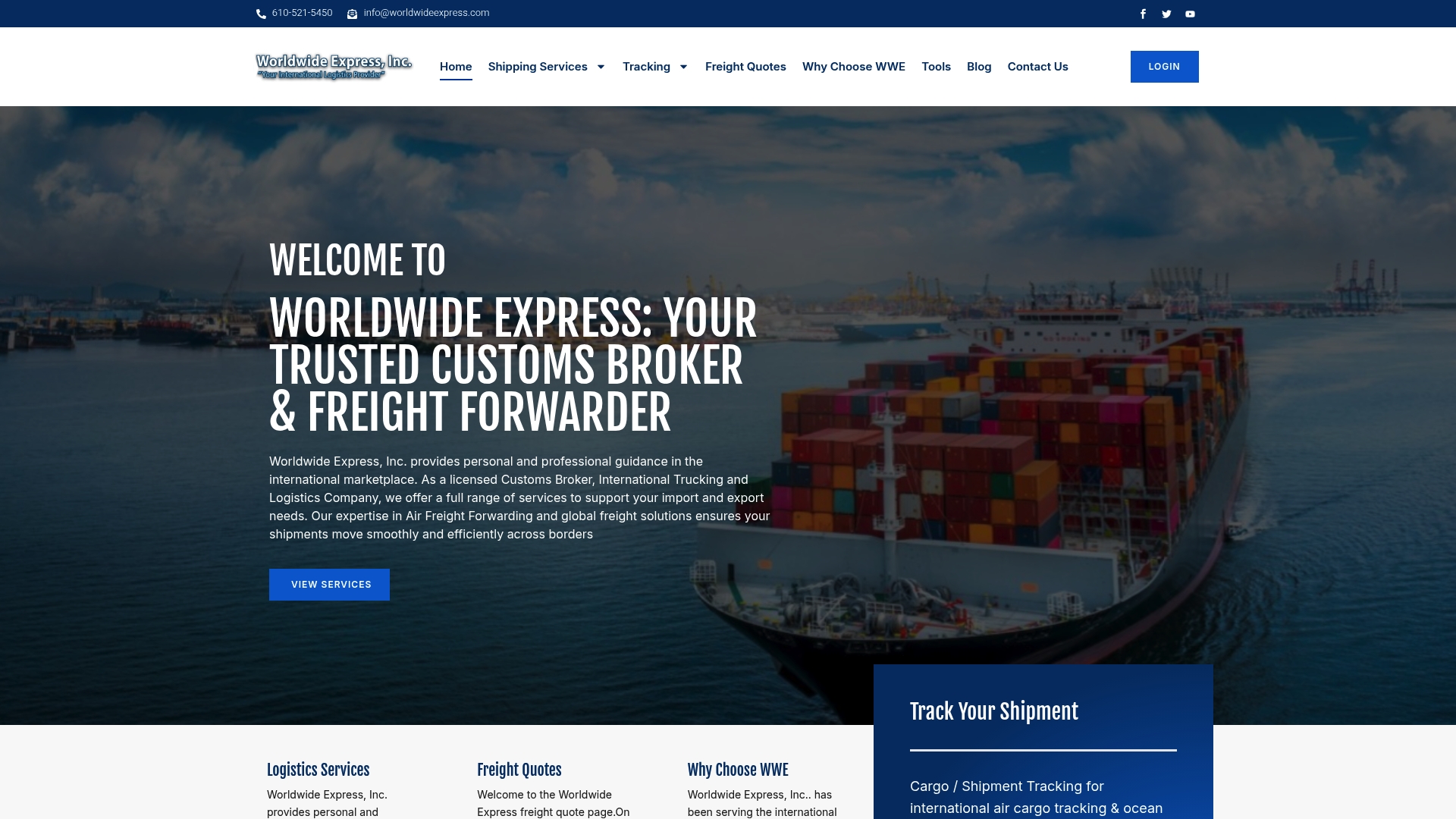
Worldwide Express offers tailored logistics services that cover freight forwarding, customs brokerage services, and end-to-end supply chain management designed specifically for import and export businesses. Whether you’re optimizing a single lane or restructuring your entire logistics operation, the right partner makes complex strategies executable. Start with the freight forwarding guide to understand your options, or connect with a Worldwide Express specialist for a cost-saving consultation tailored to your import volume and trade lanes.
Frequently asked questions
What is the single fastest way for importers to cut shipping costs?
Negotiating freight contracts and benchmarking rates routinely achieves 15 to 35% savings with minimal operational disruption, making it the highest-impact starting point for most importers.
When should I switch from LCL to FCL for my shipments?
Switch from LCL to FCL when your shipment volume reaches 10 to 12 CBM, at which point the per-unit cost of a full container load becomes more favorable than shared container pricing.
How does choosing different ports of entry reduce costs?
Selecting less congested or strategically located ports minimizes total landed costs by reducing drayage distances, storage fees, and customs processing delays that accumulate at high-traffic entry points.
Do supply chain shifts to countries like Mexico or Vietnam really make a difference?
Yes. Importers sourcing from lower-tariff countries can cut landed costs by 15 to 30% versus China, with Mexico offering the added advantage of dramatically shorter transit times under USMCA trade terms.
Recommended
- How to Reduce Shipping Costs: Effective Strategies for 2025 – Worldwide Express, Inc.
- 7 Proven Ways to Lower International Container Shipping Rates – Worldwide Express, Inc.
- How to Avoid Customs Penalties: A Step-by-Step Guide – Worldwide Express, Inc.
- How to Avoid Customs Delays for Smooth International Shipping – Worldwide Express, Inc.