TL;DR:
- Choosing the right international courier roles is crucial for ensuring compliance, cost control, and efficient trade operations. Specialized desk-based positions, such as Logistics Coordinators and Air Export Specialists, provide critical regulatory knowledge that driver roles cannot replace. Prioritizing these specialists alongside delivery staff helps businesses optimize their global logistics and avoid costly delays.
Choosing the wrong international courier job roles for your logistics operations can cost you more than time. Missed customs deadlines, non-compliant documentation, and misrouted freight can derail entire shipments and damage trade relationships. For exporters and importers competing in a fast-moving global market, understanding the landscape of international courier job types is not optional. This article breaks down the most critical roles, their salary benchmarks, and practical recommendations to help trade-focused businesses build a logistics team that actually delivers.
Table of Contents
- Key criteria for evaluating international courier job roles
- International courier job types: What are your options?
- Comparing international courier roles: Desk vs. delivery positions
- Choosing the right role for your business: Situational recommendations
- Expert perspective: What most businesses get wrong about international courier jobs
- Enhance your global logistics with expert shipping solutions
- Frequently asked questions
Key Takeaways
| Point | Details |
|---|---|
| Specialized roles matter | Desk-based courier specialists are crucial for compliance and cost savings in international trade. |
| Salary transparency | Expect coordinator and specialist salaries ranging from $41,000 to $60,000 CAD depending on role. |
| Driver role limitations | Drivers excel at delivery but lack trade documentation expertise needed for business optimization. |
| Match job to business | Choose courier roles based on your trade scenario: export, import, or hybrid operations. |
| Strategic hiring boosts logistics | Prioritizing specialists enables smoother, more efficient international shipping for businesses. |
Key criteria for evaluating international courier job roles
Before diving into specific positions, let’s clarify what makes an international courier role valuable for your business.
Not every courier job is created equal. Some positions require deep knowledge of regulatory frameworks, while others are physically demanding delivery roles. The distinction matters enormously when you’re trying to align talent with your specific trade needs.
When evaluating any international courier role, experienced logistics managers typically look at four core criteria:
- Customs and regulatory knowledge: Can the candidate prepare export documentation, handle Incoterms, and manage customs clearance from start to finish?
- Document preparation skills: Proficiency in producing air waybills (AWBs), commercial invoices, and Electronic Export Information (EEI) is foundational.
- Compliance adherence: Understanding of import and export regulations, including in-bond freight management, is non-negotiable for smooth trade.
- Role type fit: Is the position desk-based or field-based? Desk roles manage documentation and compliance. Field roles focus on physical delivery and package handling.
Per Velvet Jobs, strong international logistics roles require preparing export docs such as AWBs, invoices, and EEI, alongside customs clearance, Incoterms handling, freight forwarding coordination, compliance with import and export regulations, and in-bond freight management. That’s a significant range of competencies.
Salary expectations, industry demand, and growth potential round out the picture. A role that looks affordable at first glance may actually carry hidden costs if the hire lacks the compliance knowledge your shipments require. Investing time in evaluating these criteria upfront saves businesses far more in avoided penalties and delays.
Pro Tip: Before posting a role or hiring through an agency, draft a one-page “logistics skills profile” that maps your top three trade pain points to the specific competencies each candidate should demonstrate. This makes screening dramatically faster.
For businesses unsure where to begin, reviewing customs compliance tips can help clarify what expertise your team actually needs before you start recruiting.
International courier job types: What are your options?
With evaluation criteria in mind, let’s examine the main international courier job types available to trade-focused businesses.
The international logistics market supports a surprisingly wide variety of roles, each serving a distinct function in the shipping lifecycle. Understanding each type prevents costly mismatches between job descriptions and actual operational needs.
International Logistics Coordinator
This is the backbone role in most freight forwarding and export operations. Coordinators manage shipment tracking, documentation, regulatory compliance, and communication between suppliers, carriers, and customs brokers. They serve as the primary point of contact for day-to-day trade logistics.
Air Export Specialist
Focused specifically on air freight, this role handles export documentation, customs clearance for air shipments, and coordination with airlines and cargo handlers. Active postings at major carriers like FedEx, DHL, and UPS confirm strong and consistent demand for this specialization. The role is desk-based but fast-paced, requiring sharp attention to documentation accuracy under tight air cargo deadlines.
Import Coordinator
Import Coordinators manage the inbound side of international trade. They handle import compliance, billing reconciliation, duty calculations, and customs clearance for goods entering the country. This role is especially critical for businesses with complex product classifications or high-volume inbound freight.
International Delivery Drivers
Driver roles focus on the physical movement of parcels and freight across borders or within regional delivery zones. These positions prioritize safety, delivery accuracy, package handling, and customer interaction. They are essential for last-mile and cross-border delivery operations.

Here’s a look at salary benchmarks across these core roles:
| Role | Salary Range | Role Type |
|---|---|---|
| International Logistics Coordinator | $45,000 to $55,000/year | Desk-based |
| Air Export Specialist | CAD $55,000 to $60,000/year | Desk-based |
| Import Coordinator | $18 to $20/hr (~$41,000/year) | Desk-based |
| International Delivery Driver | Competitive weekly pay plus OT | Field-based |
The salary data above reflects current benchmarks from verified compensation sources. Logistics Coordinators earning around $50,000 annually represent strong value given the compliance and documentation expertise they bring to trade operations.
“Prioritizing specialist roles over driver roles leads to better compliance outcomes and lower operational costs for trade-focused businesses.” This insight from JobFlexy’s air export postings aligns with what experienced freight managers observe on the ground.
For businesses wanting a broader overview of how these positions interact, exploring shipping job roles explained provides useful context. It’s also worth understanding how courier roles compare structurally to freight positions by reviewing the international courier vs freight distinction.
Pro Tip: When hiring an Air Export Specialist, verify that candidates are familiar with IATA regulations and dangerous goods documentation. These credentials are rarely negotiable for air freight compliance.
For those wanting to explore active opportunities across transport sectors, the transport job board offers a practical starting point for benchmarking role availability and salary expectations in real time.
Comparing international courier roles: Desk vs. delivery positions
Now, compare these roles to determine which best fits your logistics needs.
The desk versus delivery divide is one of the most important distinctions in international courier staffing. Both categories are legitimate and valuable, but they serve fundamentally different functions in a trade operation.
Desk-based roles (Logistics Coordinator, Air Export Specialist, Import Coordinator) are oriented toward managing information, documentation, compliance, and cost control. These professionals rarely handle physical cargo. Their value lies in their ability to navigate complex regulatory environments, reduce duty exposure, and prevent costly errors in paperwork.
Field-based roles (Delivery Drivers, Courier Drivers) focus on physical movement, safety, delivery accuracy, and customer-facing interaction. Per UPS package delivery driver job specifications, driver roles emphasize physical delivery with safety and compliance emphasis, making them well suited for local and international package handling but less focused on trade documentation and customs expertise.
Here’s a side-by-side comparison:
| Criteria | Desk-based Specialist | Delivery Driver |
|---|---|---|
| Primary focus | Compliance, documentation, cost control | Physical delivery, safety, speed |
| Customs expertise | High | Low |
| Salary potential | $41,000 to $55,000+ | Competitive, variable |
| Business fit | Exporters, importers, trade companies | Last-mile and parcel delivery |
| Growth path | Senior coordinator, customs broker | Route manager, logistics supervisor |
| Key tools | ERP systems, customs platforms | Delivery vehicles, route apps |
The contrast is clear. For businesses whose core challenge is regulatory compliance, duty optimization, and documentation accuracy, desk-based specialists deliver measurably more value per hire.
Key advantages of desk-based specialists for trade operations include:
- Reduced risk of customs delays and penalties
- Better management of Incoterms and carrier negotiations
- Direct impact on landed cost reduction
- Stronger audit trail for import and export documentation
For a deeper look at how compliance shapes trade outcomes, reviewing business customs clearance offers concrete examples of where specialist expertise pays off. And for businesses still mapping out which roles they need, the guide to international shipping roles is worth revisiting.
The honest takeaway here is that most trade-focused companies understaff on specialists and overstep on drivers, which creates operational gaps precisely where regulatory complexity is highest.
Choosing the right role for your business: Situational recommendations
After reviewing job comparisons, use these recommendations to decide which roles will best support your trade logistics.
The right international courier job mix depends entirely on your operational profile. A manufacturer exporting precision equipment to Asia faces very different staffing needs than a retailer importing consumer goods from Europe. Tailoring your approach to your actual trade scenario makes all the difference.
For exporters:
- Prioritize an International Logistics Coordinator as your primary hire. This role manages the entire export documentation chain and is essential for compliance.
- Add an Air Export Specialist if air freight constitutes a significant portion of your outbound volume.
- Supplement with delivery drivers only if your operation includes in-house last-mile fulfillment.
- Invest in ongoing regulatory training to keep specialists current with shifting export control rules.
- Audit your documentation workflows annually to identify gaps your specialist should address.
For importers:
- Focus first on an Import Coordinator who can manage customs clearance, duty classification, and inbound compliance.
- Consider adding a Logistics Coordinator if your import volumes span multiple product categories or origins.
- Partner with customs brokers to support your in-house coordinator during peak import periods.
For hybrid operations (both import and export):
- Build a core team of at least one Logistics Coordinator and one Import Coordinator.
- Use delivery drivers operationally for regional distribution, not as a substitute for compliance expertise.
- Leverage third-party logistics providers to fill specialist gaps during seasonal surges.
| Business type | Recommended primary role | Secondary role | Key focus |
|---|---|---|---|
| Exporter | Logistics Coordinator | Air Export Specialist | Export compliance, documentation |
| Importer | Import Coordinator | Logistics Coordinator | Customs clearance, duty management |
| Hybrid operation | Both coordinators | Delivery drivers as needed | End-to-end trade support |
| Last-mile carrier | Delivery drivers | Route supervisors | Speed, accuracy, customer service |
The demand data from active postings at major carriers confirms that specialist roles remain in high demand, underscoring the competitive advantage businesses gain by staffing these positions well. That demand signal also reflects how increasingly complex international trade regulations have become, rewarding companies that invest in people with genuine compliance expertise.
Pro Tip: When building out a hybrid operation, resist the temptation to assign documentation tasks to your driver team during downtime. That workflow creates compliance risk and rarely produces accurate results. Specialists and drivers should operate in clearly defined lanes.
To prevent costly errors before they happen, reviewing how to avoid customs delays is a smart step for any business building out its logistics team. For broader industry context on where transport careers are heading, the transport career trends resource from jobs-in-transport.com provides useful forward-looking perspective.
Expert perspective: What most businesses get wrong about international courier jobs
To wrap up, here’s a candid perspective on what matters most and what’s frequently missed in international courier job selection.
The most common mistake is straightforward: businesses hire for visibility rather than impact. A delivery driver is easy to justify. You can see the van leave the dock, track the parcel, and confirm the delivery. The value feels tangible and immediate.
A desk-based Logistics Coordinator is harder to visualize. Their value lives in forms filed correctly, duties calculated accurately, and compliance issues caught before they become penalties. That invisible work is where the real money is.
Per UPS’s own driver role specifications, driver positions focus heavily on physical delivery, safety compliance, and package handling. These are genuinely important competencies. But they are not a substitute for the regulatory knowledge that international trade demands.
Businesses that prioritize specialist roles unlock something that driver-heavy teams simply cannot provide: the ability to navigate customs regimes, manage Incoterms risk, and keep landed costs under control across global markets. That’s not a minor operational detail. It’s often the difference between a profitable trade lane and a chronically expensive one.
The insider advice here is to invest in training for compliance roles, not just recruiting. Many businesses hire a coordinator and then expect them to figure out the regulatory landscape independently. The most effective operations pair strong hires with structured onboarding, updated regulatory training, and access to experienced customs brokers. When companies treat specialist roles as strategic assets rather than administrative support, their shipping operations become genuinely competitive.
For businesses ready to act on this, revisiting compliance tips offers concrete steps to build that specialist foundation.
Enhance your global logistics with expert shipping solutions
Understanding international courier job roles is a critical first step. Executing on that knowledge requires the right logistics partner standing behind your team.
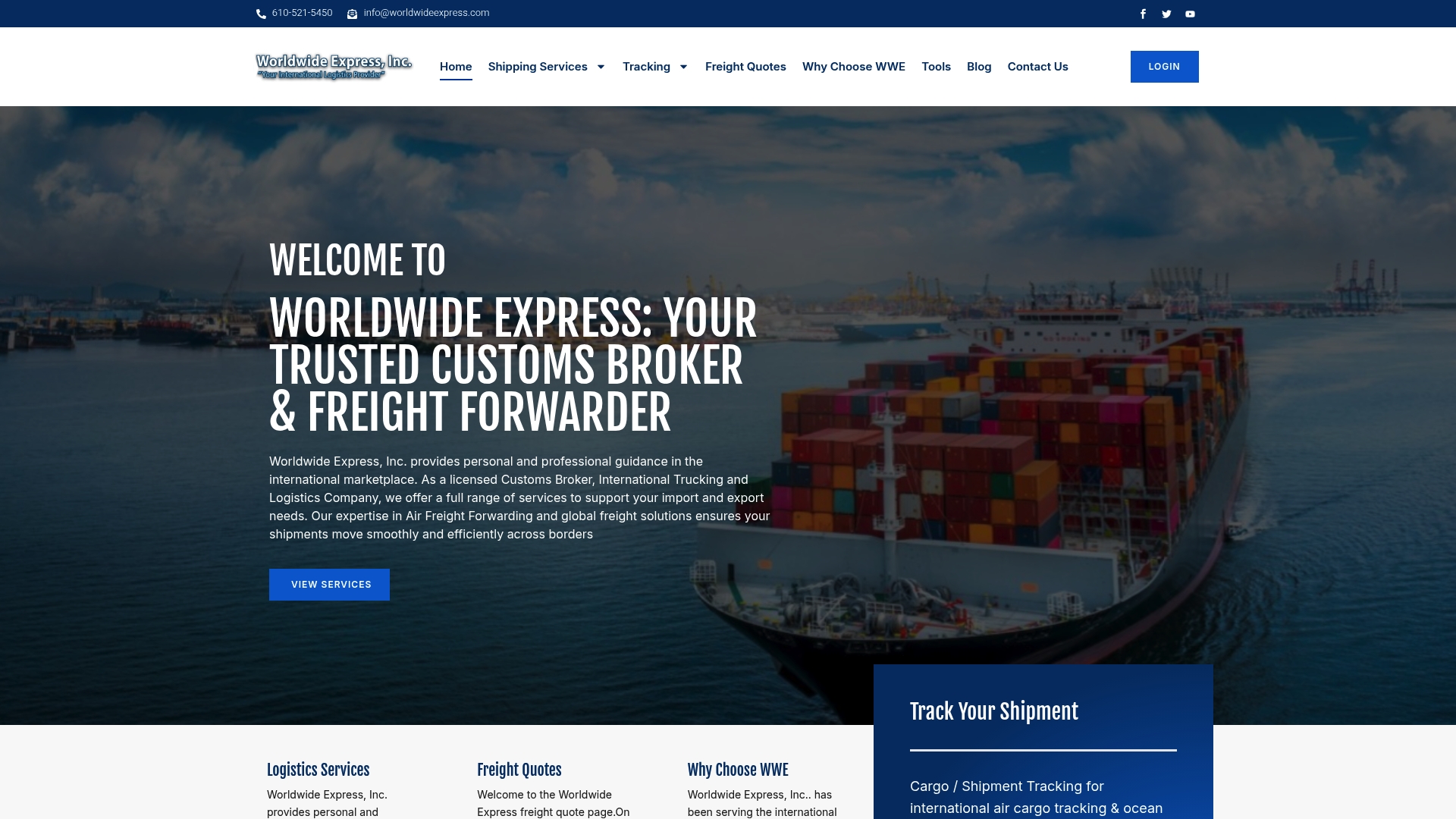
Worldwide Express brings decades of specialized experience in customs brokerage, freight forwarding, air and ocean transportation, and supply chain management, giving businesses the infrastructure to make specialist roles even more effective. Whether you’re scaling an export operation or optimizing inbound import compliance, the right support makes every hire perform better. Explore the full range of logistics services to see how tailored solutions support your trade goals. For businesses moving significant freight volumes, the guide to international freight shipping is an excellent next step, and reviewing the shipping solutions comparison helps identify the right fit for your specific operation.
Frequently asked questions
What skills are essential for international courier job specialists?
Key skills include customs knowledge, document preparation for AWBs and EEI forms, regulatory compliance, Incoterms handling, freight forwarding coordination, and in-bond freight management.
Which international courier roles are best for exporters?
Desk-based specialist roles such as Logistics Coordinator and Air Export Specialist deliver the most value for exporters, as active demand at major carriers confirms their role in optimizing compliance and reducing costs.
What are typical salaries for international courier jobs?
Salary benchmarks range from approximately $41,000 per year for Import Coordinators to $50,000 for Logistics Coordinators, with Air Export Specialists earning up to CAD $60,000 annually.
Are driver roles in international courier jobs suitable for trade businesses?
Driver roles focus on physical delivery and safety compliance but lack the customs and export documentation expertise that trade-focused businesses need for smooth international operations.
How can businesses optimize logistics hiring for international trade?
Businesses should prioritize specialist roles with trade compliance expertise first, using specialist-focused hiring strategies to optimize compliance and cost efficiency, then supplement with delivery drivers as operational volumes grow.
Recommended
- International courier vs freight: guide for managers 2026 – Worldwide Express, Inc.
- Remote work in logistics: efficient strategies for global teams – Worldwide Express, Inc.
- Top International Shipping Solutions Reviewed – 2025 – Worldwide Express, Inc.
- Local vs international freight: making the right choice – Worldwide Express, Inc.