Many businesses believe U.S. customs brokers work for the government, but this is false. Approximately 11,000 licensed private customs brokers operate independently to help importers navigate complex regulations. These certified professionals serve as your compliance partners, ensuring smooth entry of goods while protecting you from costly penalties. This guide explains what customs brokers do, how they qualify, and why engaging one transforms your international trade operations.
Table of Contents
- What Is A U.S. Customs Broker?
- Licensing And Qualification Requirements For Customs Brokers
- Functions And Responsibilities Of U.S. Customs Brokers
- Benefits To Businesses Using Customs Brokers
- Common Misconceptions About Customs Brokers
- Customs Brokers Vs. Freight Forwarders: Understanding The Difference
- How To Engage A U.S. Customs Broker For Your Business
- Optimize Your Trade With Expert Customs Brokerage And Logistics
- Frequently Asked Questions About U.S. Customs Brokers
Key takeaways
| Point | Details |
|---|---|
| Licensed private agents | Customs brokers are certified by U.S. Customs and Border Protection, not government employees. |
| Compliance specialists | They prepare documentation, classify goods, calculate duties, and ensure regulatory adherence. |
| Significant savings | Proper broker engagement reduces delays by 10-15 days and can cut duty costs by 5-20%. |
| Distinct from forwarders | Brokers handle compliance paperwork while freight forwarders manage physical transportation logistics. |
| Selection matters | Verify licensing, assess industry expertise, and clarify service terms before engaging a broker. |
What is a U.S. customs broker?
A U.S. customs broker is a licensed professional authorized by U.S. Customs and Border Protection to conduct customs business on behalf of importers and exporters. These private agents serve as critical intermediaries between businesses and CBP, managing the complex regulatory requirements that govern international trade. Their core function centers on ensuring goods enter the United States legally and efficiently.
Customs brokers handle essential compliance tasks that most businesses lack the expertise or resources to manage internally. They prepare and submit required documentation electronically, apply correct tariff classifications, and arrange payment of duties and fees. This specialized knowledge protects you from mistakes that trigger penalties or shipment delays.
Key responsibilities include:
- Acting as your authorized representative in all customs matters
- Submitting entry documentation through secure government systems
- Ensuring accurate duty and tax calculations based on current regulations
- Maintaining records and providing audit support when CBP requests reviews
- Advising on trade compliance strategies to optimize your import operations
The distinction between broker and government employee matters significantly. Approximately 11,000 active licensed brokers currently serve U.S. businesses as independent professionals. They work for you, not CBP, though they must follow strict federal regulations. This private status allows brokers to focus entirely on your interests while maintaining the expertise CBP requires.
Licensing and qualification requirements for customs brokers
Becoming a licensed customs broker demands meeting rigorous federal standards that ensure only qualified professionals handle your compliance needs. The process begins with strict eligibility criteria set by federal law. Only U.S. citizens age 21 or older with good moral character can apply for licensure. This requirement protects the integrity of customs operations and ensures brokers maintain the trustworthiness needed to represent importers before CBP.
The qualifying examination tests comprehensive knowledge of customs regulations and procedures. The Federal licensing exam contains 80 multiple-choice questions with a 75% passing score, offered each April and October. Candidates face a four-hour time limit covering topics from tariff classification to entry procedures, customs valuation, and regulatory compliance. The difficulty level explains why many candidates require multiple attempts before passing.
After passing the exam, the licensing process continues:
- Submit your license application to CBP within three years of passing the exam
- Undergo a background investigation verifying your character and fitness
- Obtain approval from the port where you will conduct business
- For corporate licenses, designate at least one licensed officer to supervise operations
- Complete initial bonding requirements to protect against potential liabilities
Pro Tip: Maintain detailed study notes after passing the exam. The knowledge you gain proves invaluable during continuing education requirements and triennial status filings that keep your license valid. These ongoing obligations ensure brokers stay current with evolving trade regulations.
Corporate brokerage firms face additional requirements. They must employ at least one licensed broker officer continuously, and if that individual leaves, the company has 120 days to replace them or face license suspension. This rule ensures qualified oversight remains constant.
Functions and responsibilities of U.S. customs brokers
Customs brokers perform specialized tasks that transform complex regulatory requirements into smooth clearance processes. Their daily work centers on managing the technical and administrative aspects of customs broker services that most businesses find overwhelming without professional help.
Core broker functions include:
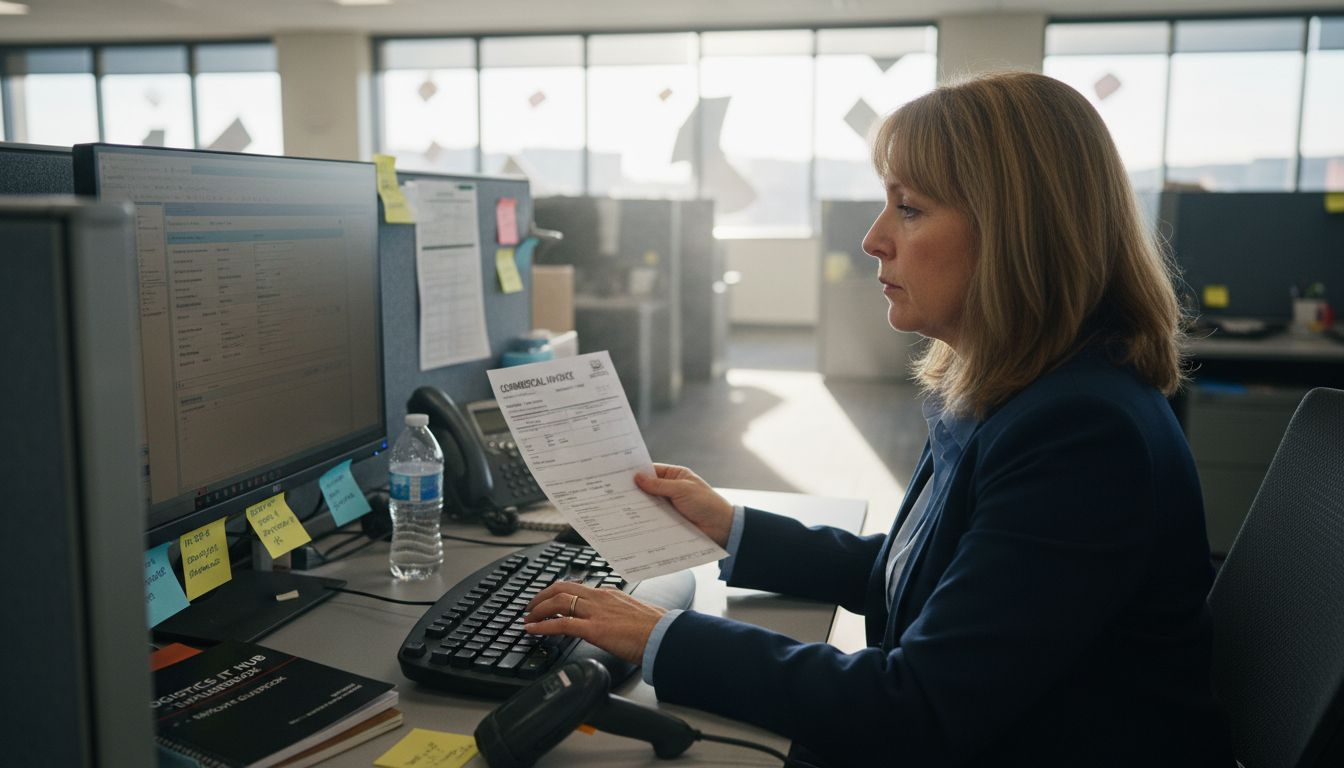
- Documentation preparation and submission: Brokers compile required paperwork including commercial invoices, bills of lading, packing lists, and entry forms. They electronically submit documents via Automated Broker Interface, classify goods, arrange payments, and advise on import regulations to ensure accurate and timely filing with CBP.
- Tariff classification: Determining the correct Harmonized Tariff Schedule code for each product requires expert knowledge. Misclassification triggers duty overpayments or underpayments that lead to penalties, making this function critical.
- Duty and tax calculation: Brokers calculate exact amounts owed based on product classification, value, origin, and applicable trade agreements. They arrange payment to CBP on your behalf, managing cash flow while ensuring compliance.
- Regulatory advisory: Trade laws change frequently, and brokers keep you informed about new requirements affecting your imports. This proactive guidance prevents costly surprises.
- Communication with CBP: When customs officers have questions or flag shipments for examination, brokers handle all correspondence and resolve issues quickly.
The Automated Broker Interface represents the technological backbone of modern customs clearance. Only licensed brokers can access this secure system that connects directly to CBP databases. Through ABI, brokers file entries electronically, receive real-time status updates, and process releases faster than paper-based methods ever allowed.
Pro Tip: Request regular classification reviews from your broker, especially when introducing new products. Tariff codes change periodically, and proactive updates prevent future compliance problems while potentially reducing your duty obligations.
Brokers also maintain required records for five years after entry, supporting you during CBP audits or inquiries. This recordkeeping protects your business if questions arise years later about specific shipments or compliance decisions.
Benefits to businesses using customs brokers
Engaging a licensed customs broker delivers measurable advantages that improve your bottom line and reduce operational stress. The expertise brokers bring translates directly into faster clearance times and lower costs.
Significant business benefits include:
- Faster clearance: Professional handling reduces customs delays by 10 to 15 days compared to self-clearance attempts. Your inventory reaches market quicker, improving cash flow and customer satisfaction.
- Penalty avoidance: Expert compliance management protects you from fines that can reach thousands of dollars per violation. Brokers catch errors before submission, preventing costly mistakes.
- Duty optimization: Proper tariff classification and trade agreement application achieve duty savings of 5 to 20 percent on import costs. These reductions compound significantly over time for regular importers.
- Regulatory expertise: Brokers monitor changing laws and inform you about new requirements before they affect your shipments. This proactive approach prevents disruptions.
- Time savings: Outsourcing customs work lets your team focus on core business activities rather than learning complex regulations that change constantly.
Compliance Impact: Businesses using professional customs brokers experience 40% fewer shipment holds and examinations compared to self-filers, according to industry analysis. This efficiency gain directly improves supply chain reliability.
The peace of mind factor matters too. Knowing a licensed professional handles your compliance removes uncertainty from international trade. When issues arise, you have an expert advocate working to resolve problems quickly and maintain your good standing with CBP.
Customs broker benefits extend beyond paperwork to strategic guidance on structuring import operations. Experienced brokers suggest ways to reduce costs through duty drawback programs, foreign trade zones, or alternative sourcing strategies that align with current trade policies.
Common misconceptions about customs brokers
Several widespread myths about customs brokers create confusion and prevent businesses from maximizing their trade potential. Correcting these misunderstandings helps you set appropriate expectations and build productive broker relationships.
Myth 1: Brokers are government employees
Customs brokers are private licensed agents, not CBP staff. They operate independent businesses or work for private firms, earning fees from clients rather than government salaries. While heavily regulated by CBP, brokers serve your interests exclusively.
Myth 2: Brokers physically move your cargo
Brokers focus entirely on regulatory compliance and documentation. They do not transport goods, operate warehouses, or handle physical shipments. That work falls to freight forwarders, carriers, and logistics providers.
Myth 3: Anyone can file customs entries
Federal law restricts who may conduct customs business. Only licensed brokers, the importer of record, or employees of the importer with proper authorization can legally file entries. Using unlicensed services exposes you to penalties and shipment seizures.
Myth 4: Broker services cost more than they save
The compliance protection, duty optimization, and time savings brokers provide typically exceed their fees significantly. One avoided penalty or tariff correction often covers a year’s brokerage costs.
Myth 5: All brokers offer identical services
Broker capabilities vary widely based on experience, technology, industry specialization, and service approach. Understanding customs brokerage misconceptions helps you evaluate providers effectively and select one matching your specific needs.
Clearing these misconceptions positions you to engage brokers as the strategic compliance partners they truly are, rather than viewing them through an inaccurate lens that limits their value to your operations.
Customs brokers vs. freight forwarders: understanding the difference
Businesses often confuse customs brokers with freight forwarders because both play important roles in international trade. Recognizing their distinct functions helps you engage the right service provider for each need.
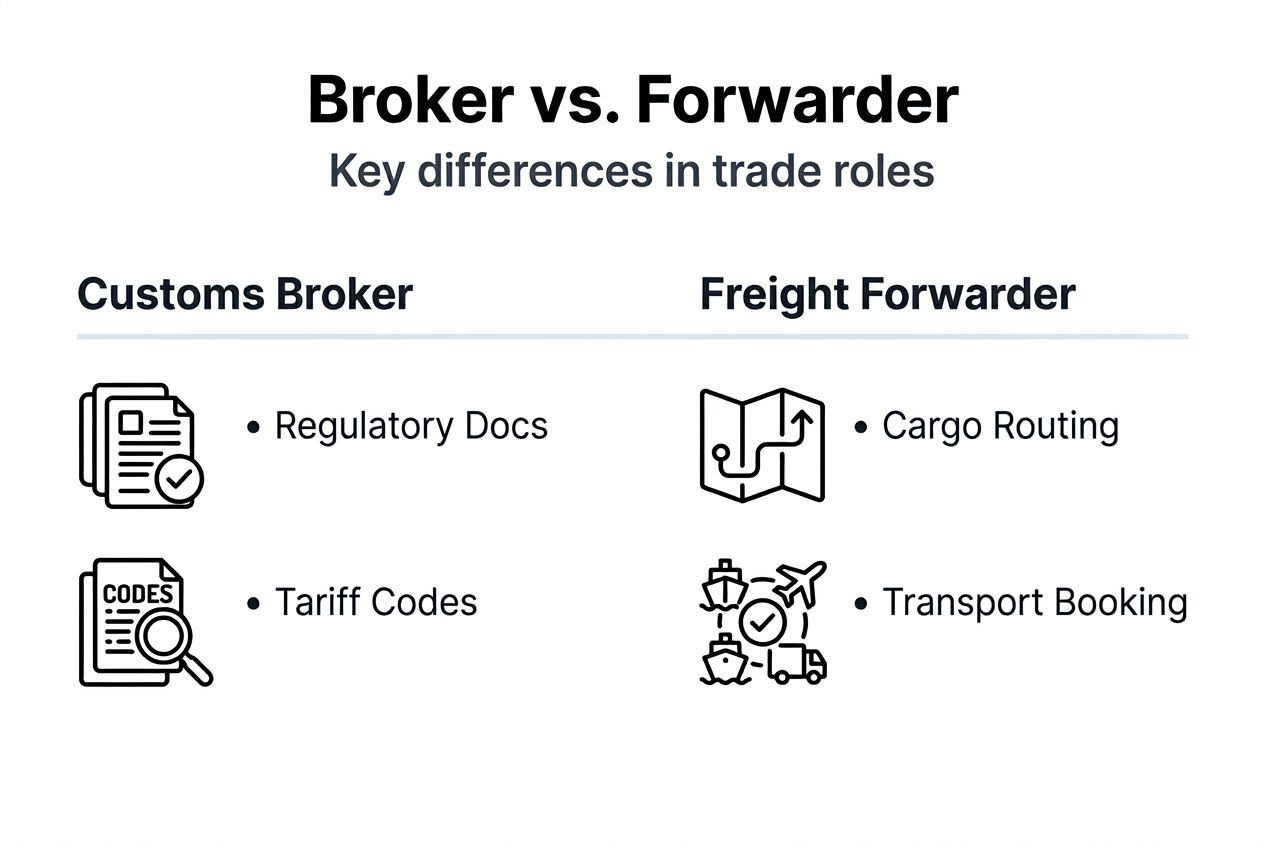
| Aspect | Customs Broker | Freight Forwarder |
|---|---|---|
| Primary focus | Regulatory compliance and customs clearance | Physical transportation and logistics coordination |
| Core services | Documentation preparation, tariff classification, duty payment, CBP communication | Shipment booking, cargo consolidation, warehousing, delivery coordination |
| Licensing | Requires federal customs broker license from CBP | No federal license required (though may need freight forwarder registration) |
| Client interaction | Represents importer before customs authorities | Acts as shipper’s agent with carriers and logistics providers |
| Value delivered | Compliance assurance, penalty avoidance, duty optimization | Cost-effective routing, transit efficiency, logistics management |
Key distinctions to remember:
- Brokers handle paperwork; forwarders handle cargo: Customs brokers focus on regulatory compliance while freight forwarders manage the physical movement of goods.
- Different expertise: Brokers master customs law and tariff regulations. Forwarders excel at transportation logistics, routing optimization, and carrier relationships.
- Complementary roles: Most international shipments benefit from both services. Forwarders move goods to the border, then brokers clear them through customs.
- Combined offerings: Many companies, including Worldwide Express, provide both customs brokerage and freight forwarding under one roof. This integration streamlines communication and improves efficiency.
Understanding broker versus freight forwarder differences prevents service gaps that delay shipments. Some businesses mistakenly hire only a forwarder, then face clearance problems at the border. Others engage a broker without arranging transportation, leaving goods stranded at the port.
For optimal results, clarify which services you need upfront. Complex imports benefit from integrated providers offering both brokerage and forwarding capabilities, ensuring seamless handoffs and unified responsibility throughout your supply chain.
How to engage a U.S. customs broker for your business
Selecting and working with the right customs broker requires due diligence and clear communication. Follow these practical steps to establish a productive partnership.
Verification and selection process:
- Confirm licensing status: Check the CBP website’s broker database to verify any potential broker holds a current, valid license. Never work with unlicensed individuals regardless of their claims.
- Assess industry experience: Prioritize brokers familiar with your product types and origin countries. Specialized knowledge prevents classification errors and speeds clearance.
- Evaluate technology capabilities: Modern brokers use advanced software for tracking, reporting, and communication. Ask about their systems and client portal access.
- Review service offerings: Ensure the broker provides all services you need, from basic entry filing to advanced duty drawback or foreign trade zone programs.
- Compare fee structures: Request detailed pricing including base fees, transaction charges, and any additional costs. Transparent pricing prevents surprise bills.
Establishing the relationship:
Once you select a broker, formalize the engagement properly. You must execute a power of attorney authorizing the broker to act on your behalf with CBP. This legal document grants necessary authority for entry filing and customs communication.
Clearly define expectations upfront. Discuss documentation timelines, communication protocols, and responsibility divisions. Specify who provides product information, handles duty payments, and manages post-clearance issues.
Pro Tip: Schedule quarterly reviews with your broker to assess performance, discuss regulatory changes, and identify opportunities for cost savings or process improvements. Regular communication strengthens the partnership and keeps your compliance strategy current.
Ongoing collaboration:
Maintain open communication channels for quick issue resolution. Respond promptly when your broker requests information or clarification. Delays in providing needed details directly translate to shipment holds.
Master customs brokerage services by treating your broker as a strategic advisor rather than a transactional vendor. Share your business plans, product development timelines, and expansion goals. This transparency allows brokers to provide proactive guidance that anticipates challenges.
For comprehensive support, consider efficient U.S. customs brokerage services integrated with broader logistics capabilities. This approach simplifies vendor management while ensuring seamless coordination across your entire supply chain.
Optimize your trade with expert customs brokerage and logistics
Navigating customs regulations demands specialized expertise that most businesses lack internally. Worldwide Express offers comprehensive U.S. customs brokerage services ensuring your imports clear quickly while maintaining full regulatory compliance. Our licensed professionals handle documentation, tariff classification, and duty payments with precision that protects your bottom line.
Beyond customs clearance, our integrated logistics services streamline your entire supply chain. We coordinate transportation, warehousing, and distribution alongside brokerage, eliminating handoff delays and communication gaps. This unified approach delivers the efficiency that separate vendors cannot match. Explore how combining customs brokerage with freight forwarding transforms your international trade operations through seamless coordination and expert guidance at every step.
Frequently asked questions about U.S. customs brokers
How can I verify a customs broker’s license?
Visit the CBP website and search their public broker database by name or license number. Active licenses appear with current status, and you can confirm the broker is authorized to operate in your port. Always verify before engaging any broker to ensure legitimacy.
Can my business act as its own customs broker?
Yes, importers of record may file their own entries without hiring a broker. However, this requires substantial knowledge of customs regulations, tariff classification, and CBP systems. Most businesses find the complexity and risk make professional brokers worthwhile.
When is hiring a customs broker required?
Federal law does not mandate broker use for all imports. However, certain product categories like food, pharmaceuticals, and textiles involve complex regulations where broker expertise proves essential. Even when optional, brokers typically save more than they cost through faster clearance and duty optimization.
How do brokers help with changing trade laws?
Licensed customs brokers monitor regulatory updates continuously and notify clients about changes affecting their imports. They interpret new requirements, adjust filing procedures accordingly, and advise on compliance strategies. This proactive approach prevents costly surprises when laws shift.
What determines customs brokerage fees?
Brokers typically charge per entry filed, with rates varying based on shipment complexity, product type, and service level. Additional fees may apply for special services like duty drawback, protests, or expedited handling. Request detailed fee schedules upfront and ensure you understand all potential charges before engagement.
Recommended
- Customs Broker Explained: Ensuring Smooth U.S. Imports – Worldwide Express, Inc.
- Efficient US Customs Brokerage Services for Smooth Imports
- Understanding the Role of a Customs Import Broker – Worldwide Express, Inc.
- Understanding Customs Broker Near Me: What You Need to Know – Worldwide Express, Inc.