Global cargo operations lose millions annually to preventable delays and inefficiencies that better visibility could eliminate. Many logistics managers still underestimate how poor cargo tracking directly inflates costs through missed connections, inaccurate inventory counts, and reactive problem solving. Modern tracking technologies now deliver measurable improvements in operational performance, cutting delays by significant margins while reducing fuel waste and maintenance expenses. This article explores how advanced cargo tracking systems transform international logistics operations, the technologies driving these improvements, and practical strategies for implementation that deliver real returns on investment for supply chain professionals managing complex global trade networks.
Table of Contents
- The Role Of Real-Time Cargo Tracking In Global Logistics
- Advanced Tracking Technologies: Rfid And Overcoming Traditional Challenges
- Data-Driven Benefits: Cost Savings And Operational Efficiency From Smart Tracking
- The Future Of Cargo Facilities: Smart, Connected, And Sustainable Operations
- Discover Comprehensive Logistics Solutions With Worldwide Express
Key takeaways
| Point | Details |
|---|---|
| Real-time visibility cuts delays | Companies implementing tracking see 20% fewer delays and 15% lower operational costs through better decision making. |
| RFID accelerates tracking speed | RFID technology reduces tracking time by 35% compared to manual methods while improving inventory accuracy substantially. |
| Data optimization reduces fuel waste | Fleet tracking cuts fuel costs by 22% within months by identifying inefficient routes and driving behaviors. |
| Legacy systems create visibility gaps | Battery dependence and connectivity failures in traditional trackers cause dark periods where cargo location data disappears completely. |
| Future facilities prioritize automation | Smart cargo hubs integrate connected sensors, autonomous systems, and sustainable operations for resilient supply chains. |
The role of real-time cargo tracking in global logistics
Real-time cargo tracking provides continuous visibility into shipment location, condition, and estimated arrival times throughout the international supply chain. This capability transforms how logistics managers respond to disruptions, allocate resources, and communicate with customers. Without accurate tracking data, operations teams work reactively, scrambling to locate delayed shipments or explain inventory discrepancies to frustrated clients.
Supply chain visibility delivers concrete financial benefits beyond customer satisfaction improvements. Companies with real-time tracking experience a 20% reduction in delays and a 15% decrease in operational costs by catching problems early and optimizing resource deployment. When managers know exactly where cargo sits at any moment, they can reroute shipments around port congestion, adjust warehouse staffing for incoming loads, and provide accurate delivery windows that reduce costly detention fees.
The strategic importance of cargo tracking intensified after recent global disruptions reshaped logistics priorities. Cargo emerged as a key revenue driver for airlines during COVID-19, highlighting how visibility into high-value freight movements directly impacts business profitability. Logistics operations that invested in robust tracking infrastructure maintained service levels while competitors struggled with information blackouts and cascading delays.
Key benefits of implementing real-time cargo tracking include:
- Proactive exception management that prevents small delays from becoming major disruptions
- Improved inventory accuracy reducing safety stock requirements and warehouse space needs
- Enhanced customer communication with precise ETAs and automated status updates
- Better carrier performance evaluation using objective delivery and condition data
- Reduced insurance claims through documented handling and environmental monitoring
Pro Tip: Integrate real-time tracking systems early in your digital transformation roadmap rather than treating them as optional upgrades. The data foundation you build enables advanced analytics, predictive modeling, and automation initiatives that compound returns over time.
Advanced tracking technologies: RFID and overcoming traditional challenges
Radio Frequency Identification technology revolutionizes cargo monitoring by eliminating manual scanning requirements that slow operations and introduce human errors. RFID tags automatically transmit identification and status information when passing near readers, enabling instant inventory updates as shipments move through warehouses, ports, and distribution centers. RFID technology reduces cargo tracking time by 35% compared to barcode systems while dramatically improving inventory accuracy through continuous automated verification.
Despite technological advances, many logistics operations still struggle with legacy tracking systems that create frustrating visibility gaps. Legacy vehicle trackers have battery, power source dependence, and connectivity issues causing poor performance in container tracking scenarios. Metal containers block GPS signals, creating dark periods where location data simply disappears. Battery powered trackers die unexpectedly, leaving high value cargo unmonitored during critical transit phases.
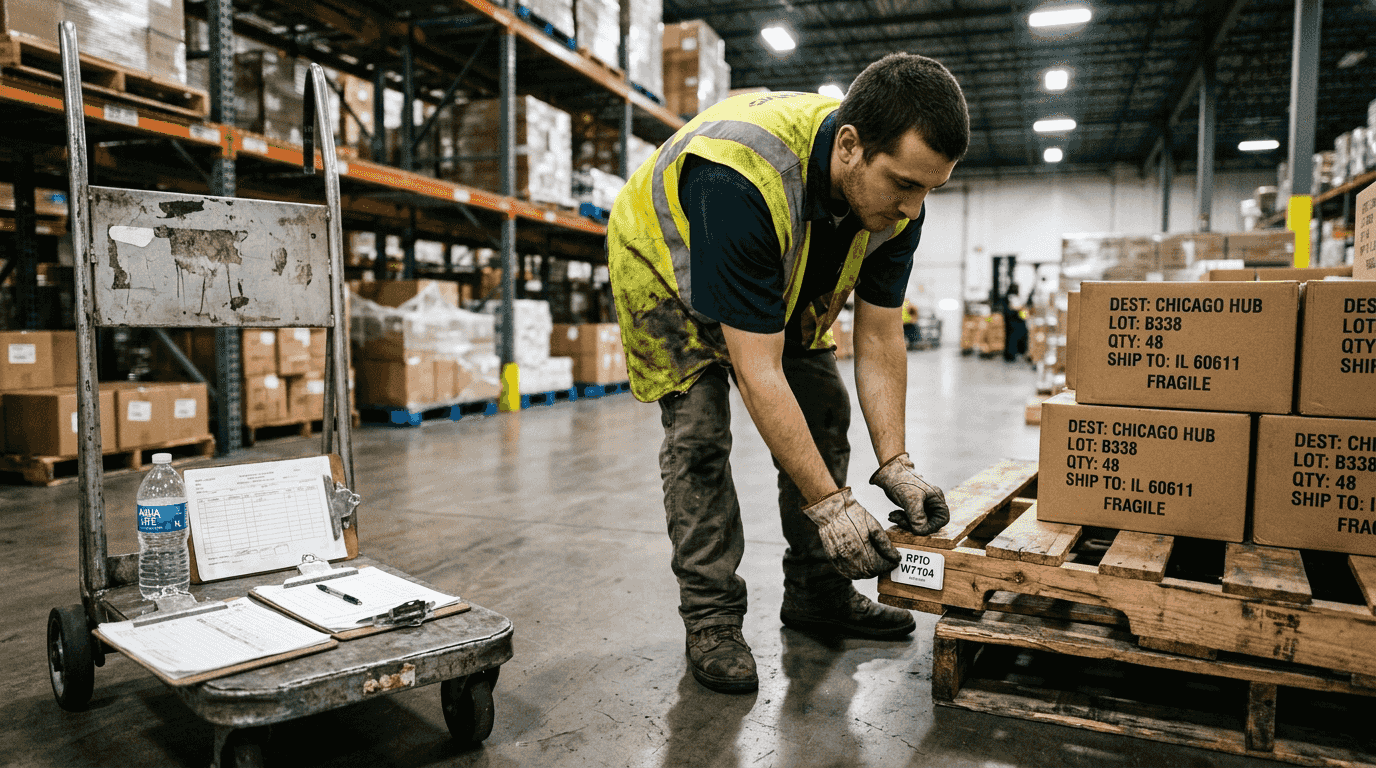
These connectivity failures hit container logistics especially hard because shipments spend extended periods in challenging environments. A tracker might work perfectly during highway transport but go dark the moment a container enters a ship’s hold or passes through a tunnel. When cargo emerges hours or days later, the data gap makes it impossible to verify handling conditions or pinpoint exactly when delays occurred.
| Technology Type | Key Advantages | Primary Limitations |
|---|---|---|
| RFID Systems | Automated scanning, high accuracy, fast processing, no line of sight needed | Higher initial costs, limited range, requires reader infrastructure |
| GPS Trackers | Global coverage, precise location data, real-time updates | Signal blockage in containers, battery dependence, connectivity gaps |
| Cellular IoT | Wide coverage, moderate cost, good for vehicles | Subscription fees, dead zones, power requirements |
| Satellite Tracking | True global reach, works anywhere | Expensive, slower updates, overkill for most routes |
Container tracking faces specific technical hurdles that standard vehicle monitoring solutions cannot address:
- Signal penetration failures when cargo sits inside metal containers or underground facilities
- Battery life constraints requiring frequent replacements or external power sources
- Network handoff problems as shipments cross international borders and carrier networks
- Environmental sensor accuracy degradation in extreme temperature or humidity conditions
Pro Tip: Deploy hybrid tracking solutions that combine multiple technologies based on shipment characteristics and route profiles. Use RFID for high-volume warehouse operations, cellular IoT for domestic trucking, and satellite backup for ocean freight where connectivity gaps pose the greatest risk to delivery truck tracking effectiveness.
Data-driven benefits: cost savings and operational efficiency from smart tracking
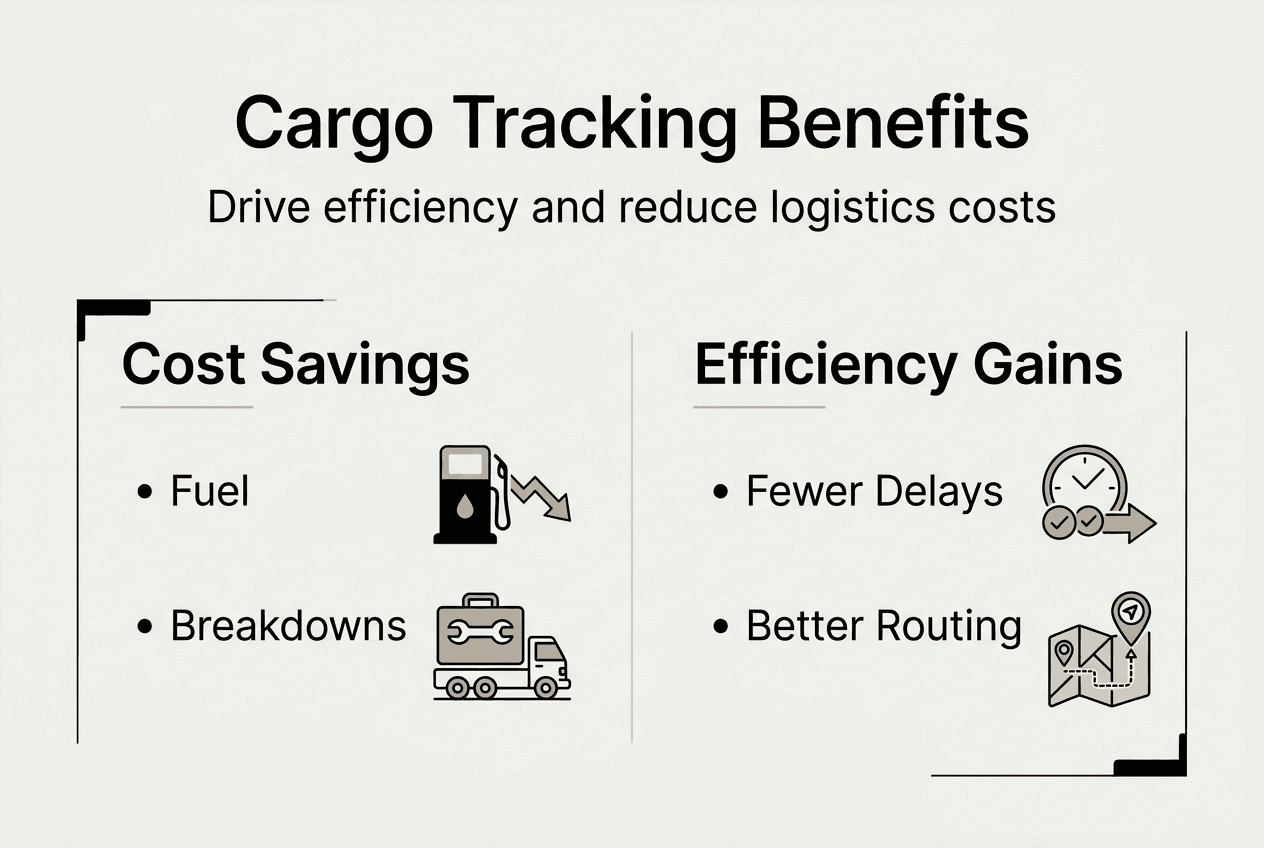
Fuel expenses represent the largest controllable cost category for logistics operations, typically consuming 30 to 40 percent of total fleet budgets. Smart tracking systems transform this massive expense into an optimization opportunity by revealing exactly where fuel waste occurs and quantifying the financial impact of inefficient practices. A logistics company reduced fuel costs by 22% within 90 days by implementing advanced fleet tracking that identified specific waste sources and measured improvement initiatives.
Tracking data exposes hidden inefficiencies that drain profitability across logistics operations. The table below shows common sources of waste that remain invisible without comprehensive monitoring:
| Inefficiency Source | Typical Impact | Detection Method |
|---|---|---|
| Excessive idling | 10-15% fuel waste | Engine runtime vs movement tracking |
| Suboptimal routing | 15-20% extra miles | GPS path analysis vs optimal routes |
| Aggressive driving | 5-10% fuel penalty | Acceleration and braking pattern monitoring |
| Delayed maintenance | 8-12% efficiency loss | Vehicle sensor data and performance trends |
Transforming tracking data into operational improvements requires systematic approaches that connect insights to action. Follow these steps to optimize logistics performance using tracking intelligence:
- Establish baseline metrics for fuel consumption, route efficiency, and vehicle utilization across your fleet to quantify improvement opportunities accurately.
- Deploy tracking systems that capture granular data on driving behaviors, route adherence, idle time, and vehicle health indicators beyond simple location updates.
- Analyze patterns to identify specific drivers, routes, or operational practices that deviate significantly from optimal performance benchmarks.
- Implement targeted interventions such as driver coaching programs, route optimization algorithms, or maintenance schedule adjustments based on data insights.
- Monitor results continuously and refine approaches, recognizing that operational optimization is an ongoing process rather than a one-time project.
- Scale successful initiatives across the organization while maintaining feedback loops that catch new inefficiencies as operations evolve.
Major logistics providers demonstrate the transformative potential of data-driven tracking. UPS’s AI and sensor integration saved over 10 million gallons of fuel and significantly cut emissions annually by optimizing delivery routes and reducing left turns that waste time idling at intersections. Their ORION system processes tracking data from thousands of vehicles to calculate optimal route sequences that balance fuel efficiency, delivery windows, and traffic patterns.
Predictive maintenance represents another high-impact application of tracking data that prevents costly breakdowns and extends vehicle lifespans. Sensors monitor engine performance, brake wear, tire pressure, and dozens of other indicators that signal developing problems before they cause failures. This approach shifts maintenance from reactive repairs to scheduled interventions that cost less and cause fewer service disruptions.
Pro Tip: Integrate artificial intelligence and machine learning tools with your tracking data to uncover optimization opportunities that human analysis might miss. Modern algorithms can identify subtle patterns in millions of data points, revealing counterintuitive insights about reducing shipping costs through route timing adjustments or load consolidation strategies.
The future of cargo facilities: smart, connected, and sustainable operations
Cargo logistics infrastructure is undergoing fundamental transformation as facilities integrate advanced tracking, automation, and sustainability initiatives into unified operational ecosystems. Future cargo facilities will be safe, secure, sustainable, and automated integrating real-time tracking and connected infrastructure that shares data seamlessly across systems and stakeholders. These smart hubs move beyond isolated technology deployments to create environments where tracking sensors, autonomous vehicles, and human workers collaborate through shared intelligence platforms.
The evolution toward connected facilities addresses mounting pressure on logistics operations to improve asset utilization while reducing environmental impact. Logistics in 2026 focuses on real-time visibility, resilient supply chains, and sustainable operations powered by technology that transforms how cargo moves through global networks. Tracking systems provide the data foundation that enables facilities to optimize space usage, reduce energy consumption, and minimize the carbon footprint of handling operations.
Next generation cargo hubs will incorporate these key features:
- Autonomous material handling systems that use tracking data to route cargo efficiently without human intervention
- Smart sensors throughout facilities monitoring environmental conditions, equipment performance, and security status continuously
- Renewable energy integration with solar panels, battery storage, and smart grid connections reducing fossil fuel dependence
- Connected infrastructure sharing real-time data with carriers, customs agencies, and customers through standardized platforms
- Predictive analytics that forecast cargo volumes, optimize staffing levels, and prevent bottlenecks before they disrupt operations
- Zero-emission vehicle charging and hydrogen fueling infrastructure supporting the transition to clean transportation
Sustainability initiatives increasingly drive logistics technology adoption as customers demand environmentally responsible shipping options and regulations tighten around emissions and waste. Tracking systems enable precise measurement of carbon footprints, allowing facilities to identify reduction opportunities and verify the impact of sustainable business practices. This transparency builds competitive advantage as environmental performance becomes a key differentiator in logistics service selection.
Logistics managers must prepare for these shifts by evaluating current infrastructure against emerging requirements and developing migration strategies that balance immediate operational needs with long-term competitiveness. The transition to smart, connected facilities happens incrementally through strategic technology investments that build on existing tracking capabilities while enabling future automation and sustainability initiatives. Organizations that treat tracking systems as isolated tools rather than foundational infrastructure will struggle to keep pace as industry standards evolve.
The convergence of tracking technology, automation, and sustainability creates opportunities for logistics operations to simultaneously improve service quality, reduce costs, and minimize environmental impact. Facilities that successfully integrate these elements position themselves as preferred partners for shippers who increasingly evaluate logistics providers based on technological sophistication and environmental responsibility alongside traditional metrics like price and reliability.
Discover comprehensive logistics solutions with Worldwide Express
Implementing effective cargo tracking requires more than purchasing technology. You need experienced partners who understand how tracking systems integrate with broader logistics operations to deliver measurable business results. Worldwide Express offers tailored logistics services designed to enhance cargo tracking performance while streamlining your international shipping operations across air, ocean, and ground transportation modes.
Our comprehensive approach combines advanced tracking tools with expert guidance to help you master international freight shipping challenges. We provide the visibility and control you need to optimize supply chain performance while reducing costs and improving customer satisfaction. Explore our fast global delivery tools to see how modern tracking capabilities can transform your logistics operations and build competitive advantage in increasingly complex international trade environments.
FAQ
What are the main benefits of RFID over traditional cargo tracking?
RFID technology eliminates manual scanning requirements that slow operations and create opportunities for human error in cargo monitoring. It enables automatic identification and status updates as shipments pass near readers, dramatically accelerating processing speed while improving inventory accuracy. Traditional barcode systems require line-of-sight scanning and individual item handling, creating bottlenecks in high-volume facilities where RFID tags can be read in bulk.
How does real-time visibility improve supply chain resilience?
Real-time tracking allows logistics managers to detect disruptions early and implement corrective actions before small delays cascade into major service failures. When you know exactly where cargo sits and can predict arrival times accurately, you can reroute shipments around congestion, adjust resource allocation, and communicate proactively with customers. This proactive approach to supply chain risk management reduces costs while maintaining service levels during unexpected disruptions.
What challenges do container logistics face in asset tracking?
Metal shipping containers block GPS and cellular signals, creating visibility gaps where tracking data simply disappears during critical transit phases. Legacy tracking devices struggle with battery life constraints and connectivity failures when containers enter ship holds, tunnels, or dense storage yards. These dark periods make it impossible to verify handling conditions or pinpoint when delays occurred, forcing logistics managers to work with incomplete information. Modern solutions address these issues through hybrid approaches combining multiple tracking technologies optimized for delivery truck tracking effectiveness.
Can cargo tracking help reduce fuel and maintenance costs?
Tracking data reveals specific sources of fuel waste such as excessive idling, inefficient routes, and aggressive driving behaviors that managers can address through targeted interventions. Fleet monitoring systems identify vehicles consuming more fuel than expected, enabling investigations that uncover maintenance issues or operational problems. Predictive maintenance capabilities use sensor data to schedule repairs before breakdowns occur, preventing costly emergency service and extending vehicle lifespans. Organizations implementing comprehensive tracking typically achieve fuel savings of 15 to 25 percent while reducing maintenance expenses through optimized logistics operations.
What trends will shape cargo tracking in the next five years?
Automation and artificial intelligence will transform how tracking data gets analyzed and applied to operational decisions, moving beyond simple location monitoring to predictive insights that prevent problems before they occur. Facilities will integrate tracking systems with autonomous material handling equipment, creating smart environments where cargo moves efficiently without human intervention. Sustainability will drive technology adoption as customers demand transparent carbon footprint reporting and environmentally responsible shipping options. The industry will standardize data sharing platforms enabling seamless visibility across carriers, facilities, and customs agencies. These trends support broader shifts toward resilient, efficient, and sustainable logistics practices that balance operational performance with environmental responsibility.
Recommended
- How to track a delivery truck effectively in 2026 – Worldwide Express, Inc.
- How to Optimize Logistics for Efficient Global Shipping – Worldwide Express, Inc.
- 5 Best global freight tracking tools – Expert Comparison 2025 – Worldwide Express, Inc.
- How to Use Global Order Tracking and Track and Trace Worldwide
- SHIPPING PROTECTION – Protect Your Order From Damage, Loss, or Theft – iPupPee