TL;DR:
- Digital trucking uses AI-driven platforms to automate freight management and replace manual workflows. These systems improve efficiency and cost savings by automating dispatch, compliance, invoicing, and telematics integration. Success depends on proper workflow mapping, driver engagement, and open data ecosystems.
Digital trucking is the adoption of integrated, AI-driven platforms that consolidate freight logistics into a single operating layer, replacing fragmented manual systems with automated dispatch, compliance, and financial workflows. The American trucking industry moves nearly $1 trillion in freight annually, yet for decades it ran on spreadsheets, phone calls, and paper bills of lading. That gap between scale and sophistication is exactly what modern digital trucking platforms are built to close. For logistics professionals managing fleets of any size, understanding these tools is no longer optional. It is the difference between operating at a loss and running a profitable, data-driven freight business.
What are the core features of digital trucking platforms?
Modern digital trucking platforms are defined by AI-native automation across the full dispatch-to-payment cycle. The best systems automate load matching, IFTA reporting, and driver compliance monitoring without requiring manual input at each step. AI-native systems integrate over 150 tools, giving dispatchers real-time unit economics visibility across every active load. That level of integration is what separates a true operating system for trucking from a basic tracking app.

The financial layer matters as much as the operational one. Platforms that embed invoicing, fuel card reconciliation, and driver pay directly into the dispatch workflow eliminate the back-and-forth between operations and accounting. Dispatchers using modern Transportation Management Systems (TMS) save 3–4 hours per week per dispatcher and cut invoicing time significantly. That time compounds across a fleet of 20 or 200 trucks.
Telematics integration is the third pillar. Connecting vehicle sensors, electronic logging devices (ELDs), and fuel cards into one platform gives fleet managers a live picture of cost per mile, driver behavior, and vehicle health. Without that integration, you are managing by exception rather than by data.
- Automated dispatch and load matching: Reduces empty miles and manual broker calls.
- IFTA and compliance automation: Calculates fuel tax obligations across state lines without manual mileage logs.
- Embedded invoicing: Generates and sends invoices directly from completed trip data.
- Telematics integration: Connects ELDs, GPS, and fuel cards into one dashboard.
- Real-time unit economics: Shows cost per load, per mile, and per driver in real time.
Pro Tip: Before selecting a platform, map your current dispatch-to-invoice workflow step by step. Platforms that match your existing logic require less retraining and go live faster.
Top 10 digital trucking technologies transforming freight operations
1. AI-powered Transportation Management Systems
A TMS is the operational core of any digital freight business. Modern AI-powered TMS platforms automate load planning, carrier selection, and rate management. Enterprise TMS deployments can go live within 14 days, which means the barrier to adoption is lower than most fleet managers expect. The ROI case is straightforward: fewer empty miles, faster invoicing, and less dispatcher overtime.
2. Automated document management and invoicing
Paper-based document handling is one of the largest hidden costs in trucking. Platforms that digitize proof of delivery, rate confirmations, and invoices cut the administrative cycle from days to hours. Weekly administrative workload drops from 35 hours to under 5 when automated invoicing and document handling replace manual processes. That is a 30-hour-per-week recapture that goes directly back into operations.
3. Connected vehicle telematics and sensor integration
Telematics platforms pull real-time data from trailers, tractors, and cargo sensors into a unified dashboard. Connected hardware telematics enable proactive maintenance scheduling by feeding live fault data into fleet management workflows. Scheduling maintenance during low-usage periods, rather than reacting to roadside breakdowns, reduces downtime and repair costs. Solutions like GPS tracking and telematics give smaller fleets enterprise-grade visibility without enterprise-level pricing.
4. Multi-agent AI for fleet operations
Agentic AI goes beyond single-task automation. Multi-agent AI coordinates compliance, energy management, and routing with autonomous decision-making across competing business objectives. A traditional TMS executes rules. An agentic AI system like Gati weighs trade-offs, such as fuel cost versus delivery speed versus driver hours of service, and selects the best path without human input. This is the technology that moves digital logistics from automation to true optimization.
5. Mobile apps designed for driver usability
Driver adoption is the single biggest predictor of data quality in any digital trucking system. Apps that require too many taps, load slowly on rural LTE, or duplicate paperwork get abandoned. Driver-facing mobile apps need intuitive design tailored to actual driver workflows to drive adoption and ensure the data accuracy that AI forecasting depends on. The best apps handle hours of service logging, document capture, and load confirmation in three steps or fewer.
6. Integrated compliance and reporting tools
FMCSA compliance, ELD mandates, and IFTA reporting create a constant administrative burden for fleet managers. Platforms that embed compliance checks into the dispatch workflow catch violations before they become fines. Real-time driver compliance monitoring, built into AI-native operating systems, reduces manual violations and audit exposure. Compliance automation is not a luxury feature. It is risk management at scale.
7. Load matching and real-time dispatch automation
Digital load boards and automated matching engines connect available capacity to freight demand in real time. The best platforms match loads based on lane history, driver preferences, and profitability thresholds, not just proximity. Reviewing top freight matching platforms shows how automated matching reduces deadhead miles and improves revenue per truck per week. For owner-operators and small fleets, this technology levels the playing field against larger carriers.
8. Financial management embedded in operations
Separating financial management from operations creates reconciliation delays and cash flow gaps. Platforms that embed driver pay, fuel card transactions, and factoring directly into the dispatch workflow give fleet owners a real-time profit-and-loss view per load. This is the unit economics visibility that AI-native systems provide and that traditional accounting software cannot replicate without manual data entry.
9. Open data frameworks for ecosystem connectivity
No single platform covers every need in a freight operation. Open data frameworks enabling real-time communication among vehicles, infrastructure, and software are the foundation for scaling digital trucking. An open API architecture lets a TMS connect to a fuel card provider, a factoring company, and a shipper’s ERP without custom development. Closed systems create bottlenecks. Open ecosystems create speed.
10. Predictive analytics and route intelligence
Predictive analytics platforms analyze historical lane data, weather patterns, and fuel price trends to recommend optimal routes before a driver leaves the yard. This shifts freight management from reactive to proactive, a fundamental change in how fleets operate. Digital trucking platforms shift logistics from reactive to proactive management using sensor and AI data. The practical result is fewer late deliveries, lower fuel spend, and better customer retention.
Pro Tip: When evaluating platforms, ask vendors for a live demo using your own lane data. Generic demos hide integration gaps that only show up with real operational data.
How digital trucking drives efficiency and cost savings
The efficiency gains from automated freight management are measurable and fast. Fleets that deploy integrated platforms report immediate reductions in administrative hours, compliance violations, and fuel waste. The US transports 55 million tons of freight annually, valued at over $49 billion. Even a modest improvement in operational efficiency across that volume represents enormous financial impact.
Specific gains logistics professionals report include:
- Reduced admin hours: Automated invoicing and document handling cut weekly back-office time from 35 hours to under 5.
- Fewer compliance violations: Embedded ELD and IFTA tools catch errors before submission, reducing fines.
- Lower fuel costs: Route optimization and predictive analytics reduce unnecessary miles driven.
- Faster payment cycles: Digital invoicing cuts the billing-to-payment window from weeks to days.
- Reduced downtime: Proactive maintenance scheduling using connected telematics prevents breakdowns during active loads.
Predictive maintenance deserves special attention. Connected trailer telematics integrate fault data directly into maintenance cycles, enabling scheduling during low-usage periods. A truck that breaks down on I-80 costs far more than one serviced during a weekend off-cycle. Understanding cargo tracking benefits extends this logic to the full supply chain, not just the vehicle.
What implementation challenges should you anticipate?
Digital trucking adoption fails most often not because the technology is wrong, but because the implementation approach is wrong. Successful deployments require workflow mapping, not just digitizing existing broken processes. If your current dispatch process has three redundant approval steps, automating those steps makes the problem faster, not better.
Change management is the second major challenge. Drivers who distrust new apps will find workarounds, and those workarounds destroy the data quality that AI systems depend on. High driver adoption of mobile apps designed for ease of use is the single most important factor in ensuring accurate AI forecasting. Involve drivers in the selection process. Their feedback on app usability is more valuable than any vendor demo.
Legacy system integration creates the third challenge. Many mid-size fleets run accounting on one platform, dispatch on another, and compliance on a third. Connecting these systems through open APIs takes time and testing. A phased implementation, starting with dispatch and invoicing, then adding telematics and compliance, reduces risk and builds internal confidence before full deployment.
Pro Tip: Assign a dedicated internal champion for the platform rollout. This person bridges the gap between vendor support and daily operations, and their buy-in accelerates adoption across the team.
Exploring digital freight forwarding trends gives additional context on how leading logistics operations are managing these integration challenges in 2026.
Key Takeaways
Digital trucking platforms deliver the greatest value when they replace entire workflows, not just individual tasks, combining AI automation, open data integration, and driver-centered design into a single operating layer.
| Point | Details |
|---|---|
| AI automation drives the core value | Platforms that automate dispatch, IFTA, and invoicing save 3–4 hours per dispatcher per week. |
| Driver adoption determines data quality | Apps designed for driver workflows produce the accurate data that AI forecasting requires. |
| Workflow mapping precedes digitization | Map and fix broken processes before automating them to avoid faster, costlier errors. |
| Open ecosystems scale better | Platforms with open APIs connect to fuel cards, ERP systems, and compliance tools without custom builds. |
| Proactive maintenance cuts downtime | Connected telematics schedule repairs during low-usage periods, preventing costly roadside breakdowns. |
The uncomfortable truth about digital trucking adoption
The freight technology market is full of platforms promising transformation. After years of watching logistics operations adopt and abandon tools, the pattern is clear: the technology is rarely the problem. The organization is.
Fleets that succeed with digital trucking treat the implementation as a configuration project, not a software purchase. They redesign workflows first, then select tools that fit those workflows. Fleets that fail do the opposite. They buy a platform, try to map it onto existing habits, and blame the vendor when adoption stalls.
The other thing most articles miss is the driver dimension. Integrated, open ecosystems where diverse digital components communicate in real time drive scaling success. But none of that ecosystem value materializes if drivers are submitting paper logs because the app is too slow on rural LTE. The most sophisticated AI in the back office is only as good as the data coming from the cab.
My honest prediction for the next five years: agentic AI will move from a feature to the default operating layer for enterprise fleets. Agentic AI advances digital trucking beyond automation to autonomously optimize conflicting business objectives. Owner-operators and small fleets will access this capability through platform subscriptions rather than custom builds. The gap between tech-forward fleets and laggards will widen faster than most operators expect.
The fleets that win will not be the ones with the most technology. They will be the ones that built the internal discipline to use it correctly.
— Ian
Worldwideexpress and the digital freight advantage
Freight forwarding and digital trucking are converging. As domestic freight operations adopt AI-driven platforms, the international leg of the supply chain demands the same level of digital integration to avoid creating new bottlenecks at the border.
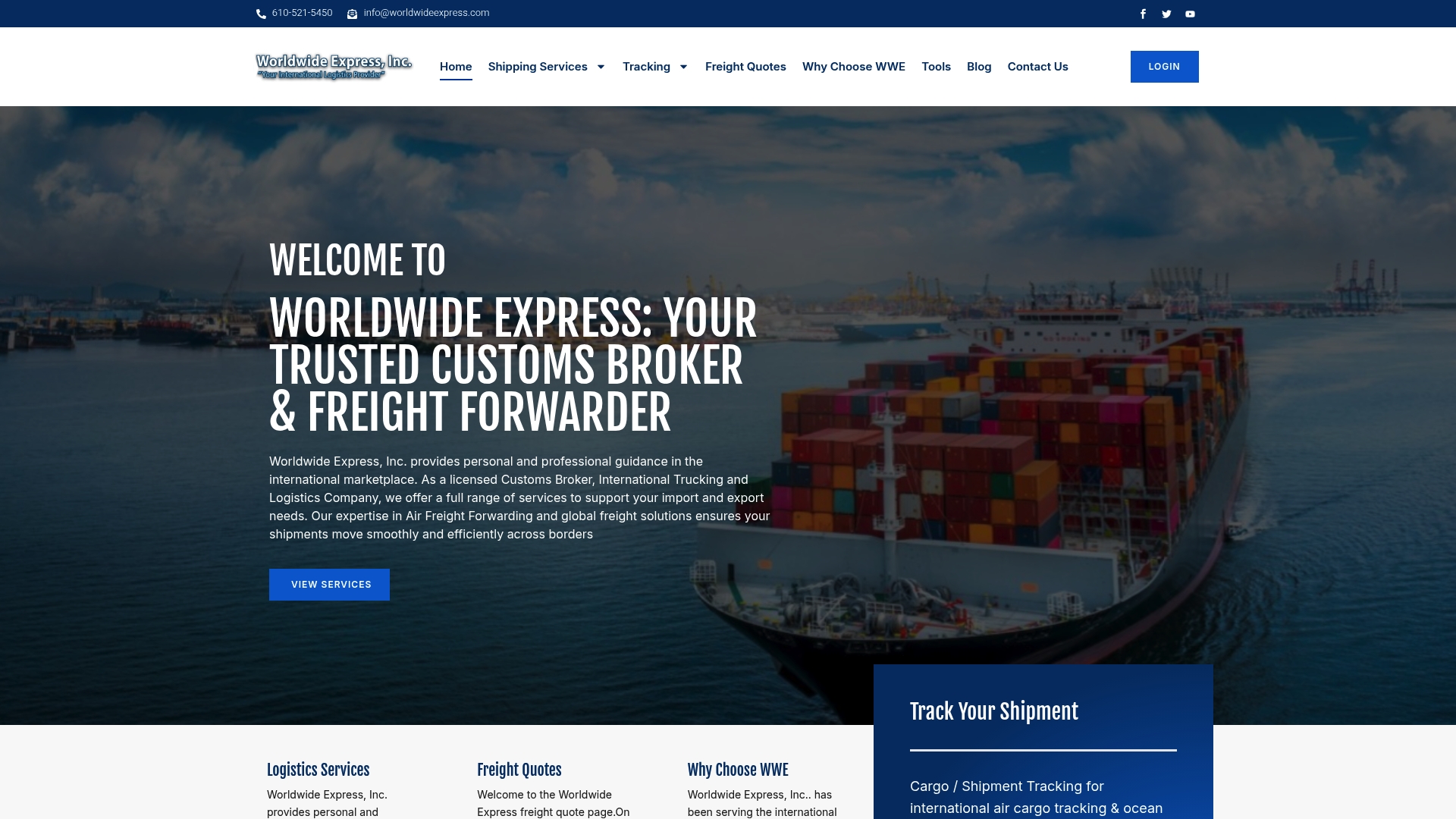
Worldwideexpress brings that integration to international freight. From customs brokerage and compliance documentation to air and ocean transportation, Worldwideexpress connects the digital efficiency of domestic trucking operations to global trade lanes. The 2026 freight forwarding guide from Worldwideexpress covers how digital tools are reshaping cross-border logistics for importers and exporters. For operations already investing in domestic digital logistics, extending that visibility to international shipments is the logical next step toward true supply chain digitalization.
FAQ
What is digital trucking?
Digital trucking is the use of integrated, AI-driven platforms to manage freight dispatch, compliance, invoicing, and fleet operations from a single system. It replaces fragmented manual processes with automated workflows across the full load lifecycle.
How does a TMS differ from basic fleet tracking?
A TMS manages the entire dispatch-to-payment cycle, including load matching, IFTA reporting, and invoicing. Basic fleet tracking only shows vehicle location and does not connect to financial or compliance workflows.
What is the biggest barrier to digital trucking adoption?
Workflow design is the primary barrier. Platforms deployed without prior workflow mapping automate broken processes rather than fixing them, which reduces ROI and stalls driver adoption.
How much time can digital trucking save per week?
Fleets using automated invoicing and document management report reducing weekly admin workload from 35 hours to under 5 hours. Dispatchers individually save 3–4 hours per week with AI-assisted load management.
What role does agentic AI play in freight operations?
Agentic AI autonomously coordinates routing, compliance, and energy management by weighing competing operational objectives without human input. It represents the next stage beyond rule-based automation in fleet management.
Recommended
- Top trucking trends shaping 2025 freight strategies – Worldwide Express, Inc.
- Digital Freight Forwarding Market: 2026 Growth Guide – Worldwide Express, Inc.
- How to track a delivery truck effectively in 2026 – Worldwide Express, Inc.
- Digital freight forwarding trends: navigate logistics smarter – Worldwide Express, Inc.